Senator Lindsey Graham delayed Senate action on a bipartisan funding deal to press for reinstating a disputed clause that would permit lawsuits against the Justice Department over phone-record seizures tied to the January 6 probe. The provision, added to a large spending bill last fall, drew bipartisan criticism and was later repealed by the House. Graham also sought a vote on requiring local cooperation with federal immigration enforcement, while some senators predicted his bid would fail.
Senator Lindsey Graham Blocks Funding Vote, Demands Right To Sue Over January 6 Phone Seizures
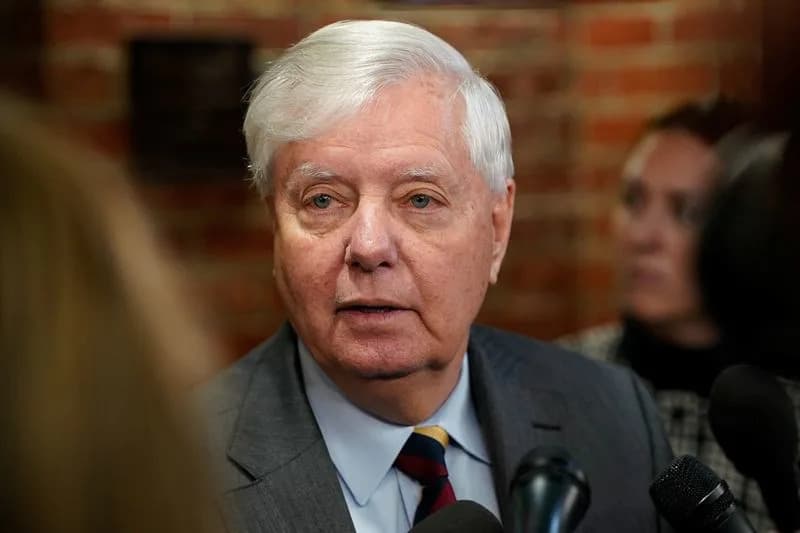
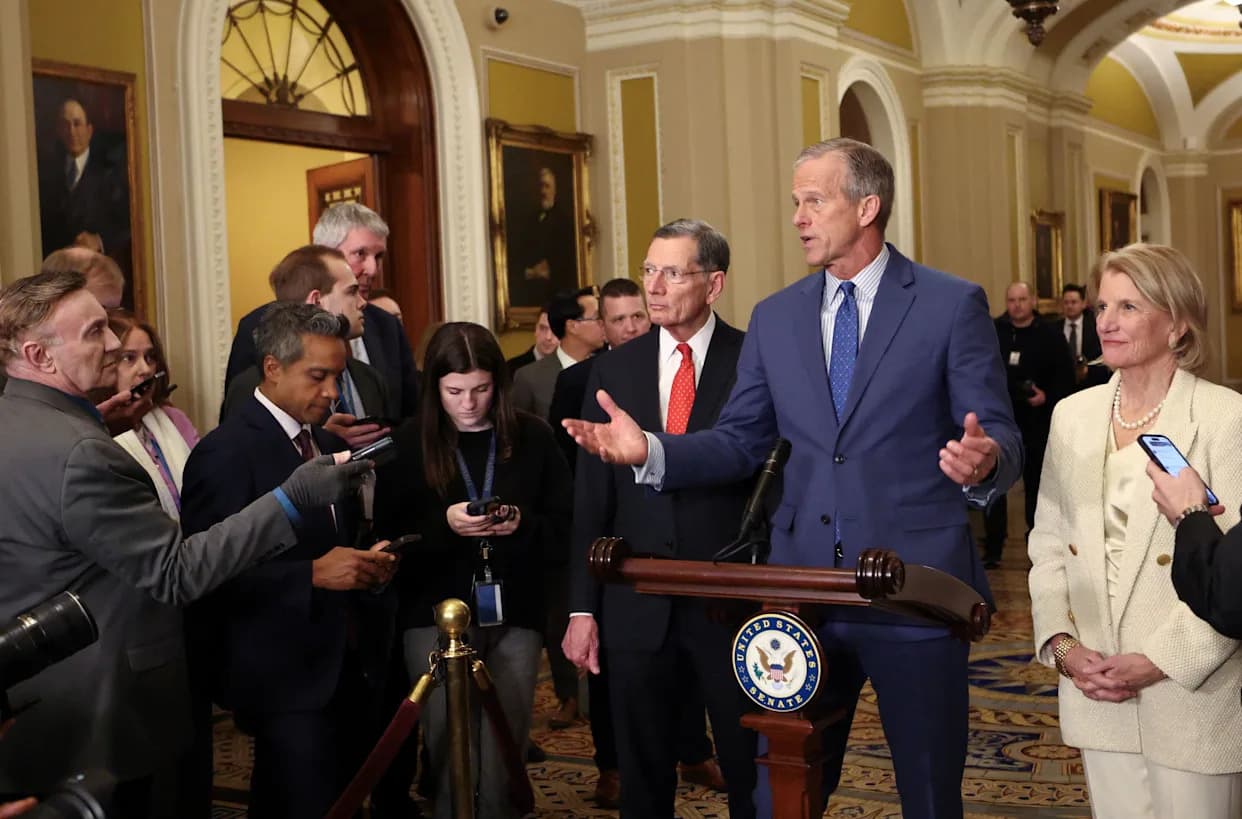
U.S. Senator Lindsey Graham (R-SC) speaks to reporters, as members of Congress work to resolve a dispute over immigration enforcement and avert a looming partial government shutdown, on Capitol Hill in Washington, D.C., U.S., January 30, 2026. REUTERS/Elizabeth Frantz
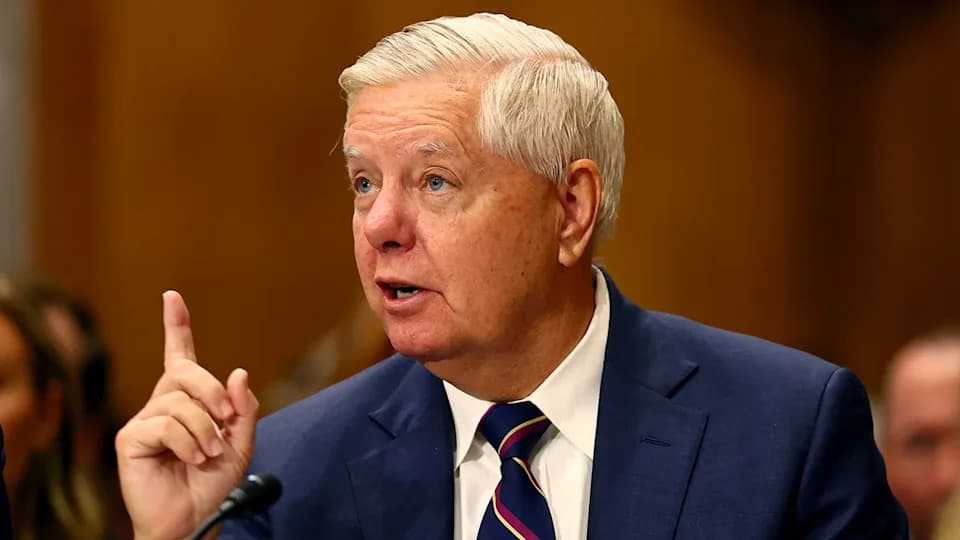
U.S. Senator Lindsey Graham on Friday delayed Senate consideration of a bipartisan stopgap funding package intended to avert a government shutdown, pressing to restore a controversial provision that would allow him and others to sue the Justice Department for damages over seized phone records tied to the January 6, 2021, Capitol investigation.
The measure at the center of Graham's objections had been inserted into a large appropriations bill last autumn and drew bipartisan criticism as potentially benefiting public officials. The funding agreement would keep agencies such as the Pentagon and the Department of Labor operating when current appropriations expire at midnight.
On the Senate floor, Graham said he would block a procedural vote unless the chamber also agreed to take up language restoring the lawsuit provision. He said the clause should be broadened to let outside groups targeted by the January 6 probe seek damages as well.
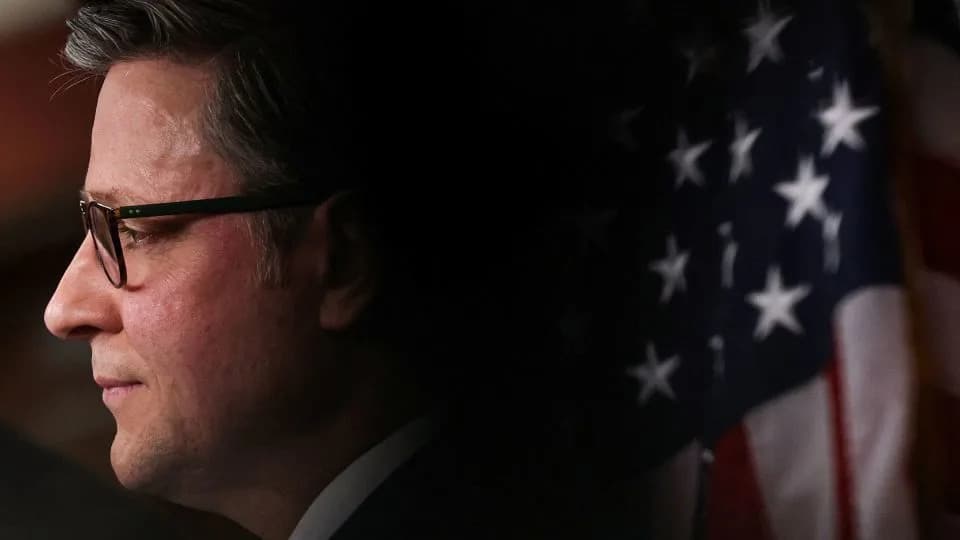
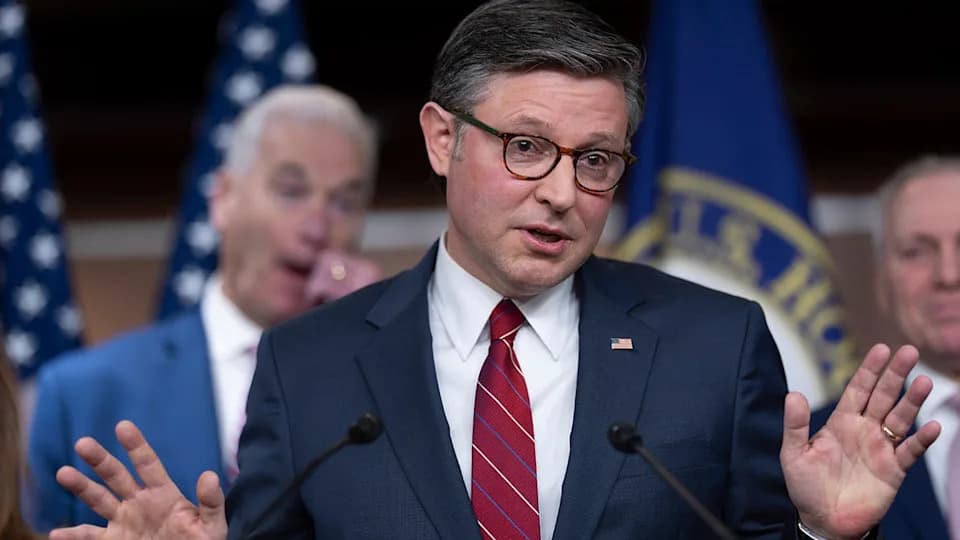
"You jammed me. Speaker Johnson, I won't forget this," Graham told colleagues, expressing anger after the House moved to repeal the provision in the bill now before the Senate.
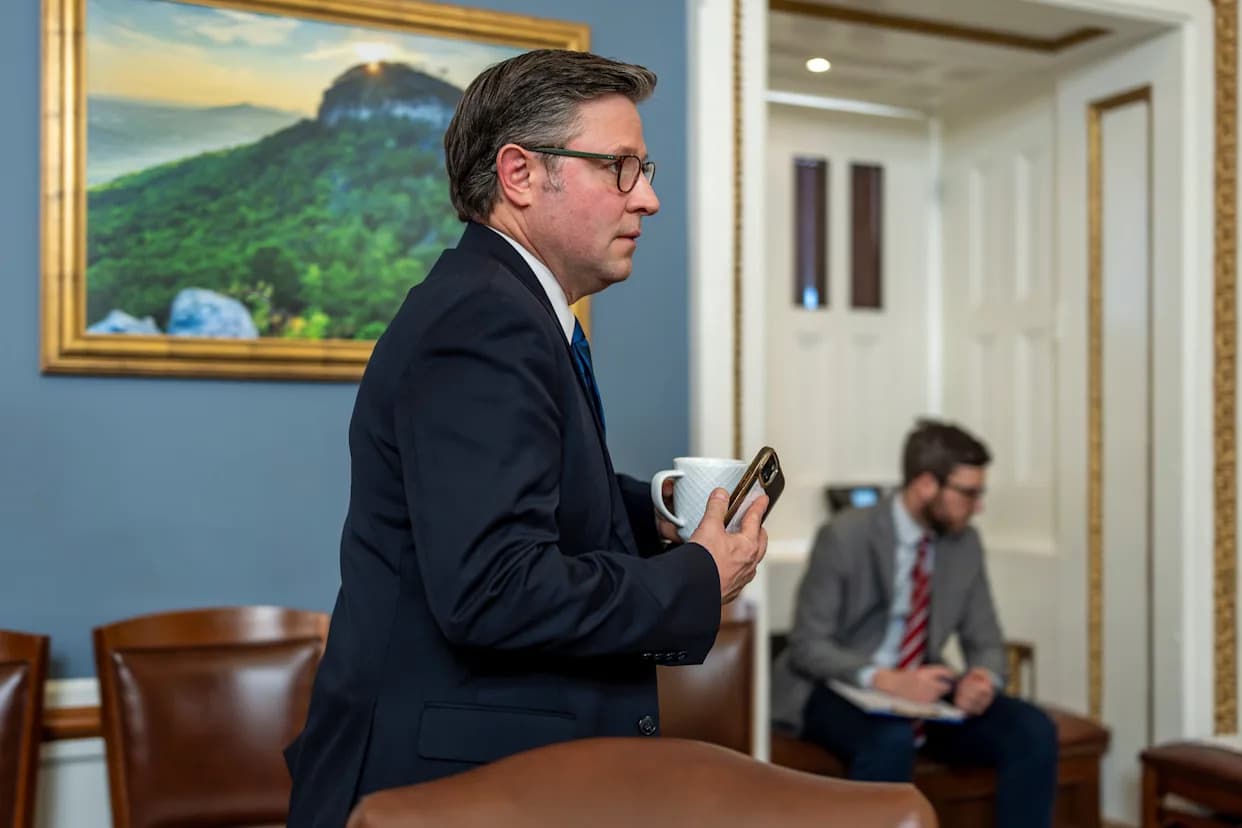
Under U.S. law, suing the federal government for damages is generally restricted to limited circumstances, such as harm caused by federal employees or government takings. House Speaker Mike Johnson said he was shocked and angered by the original provision and supported the House's repeal effort.
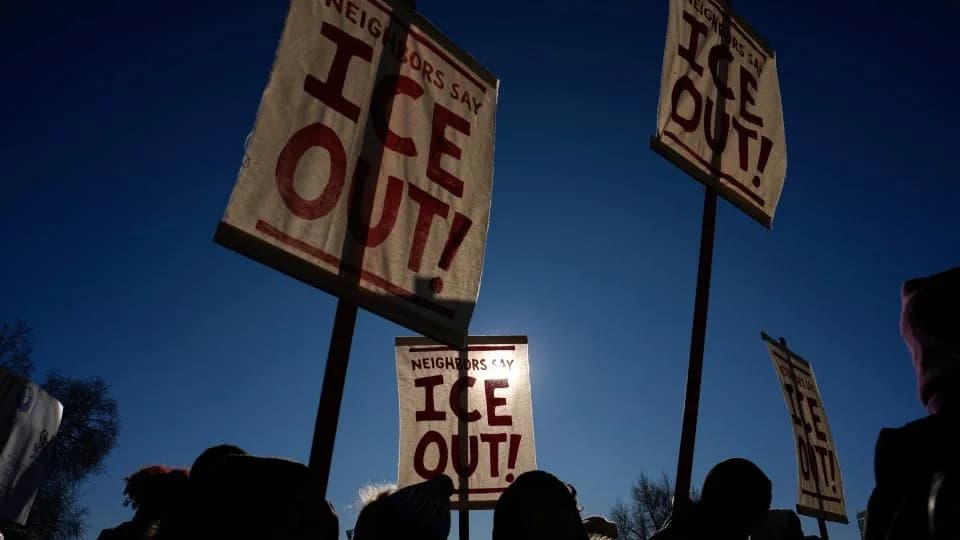
Graham previously vowed to seek "millions of dollars" but Republican leaders say any recovered funds would be returned to the government rather than paid to lawmakers personally. In addition to the lawsuit language, Graham demanded a commitment to a vote on a separate provision requiring local governments to cooperate with federal immigration enforcement.
Senators were uncertain how long Graham's objections would delay the funding deal, and several predicted his effort to restore the lawsuit clause would ultimately fail. "Voters may remember that more than a failed procedural vote," Republican Senator Thom Tillis of North Carolina said.
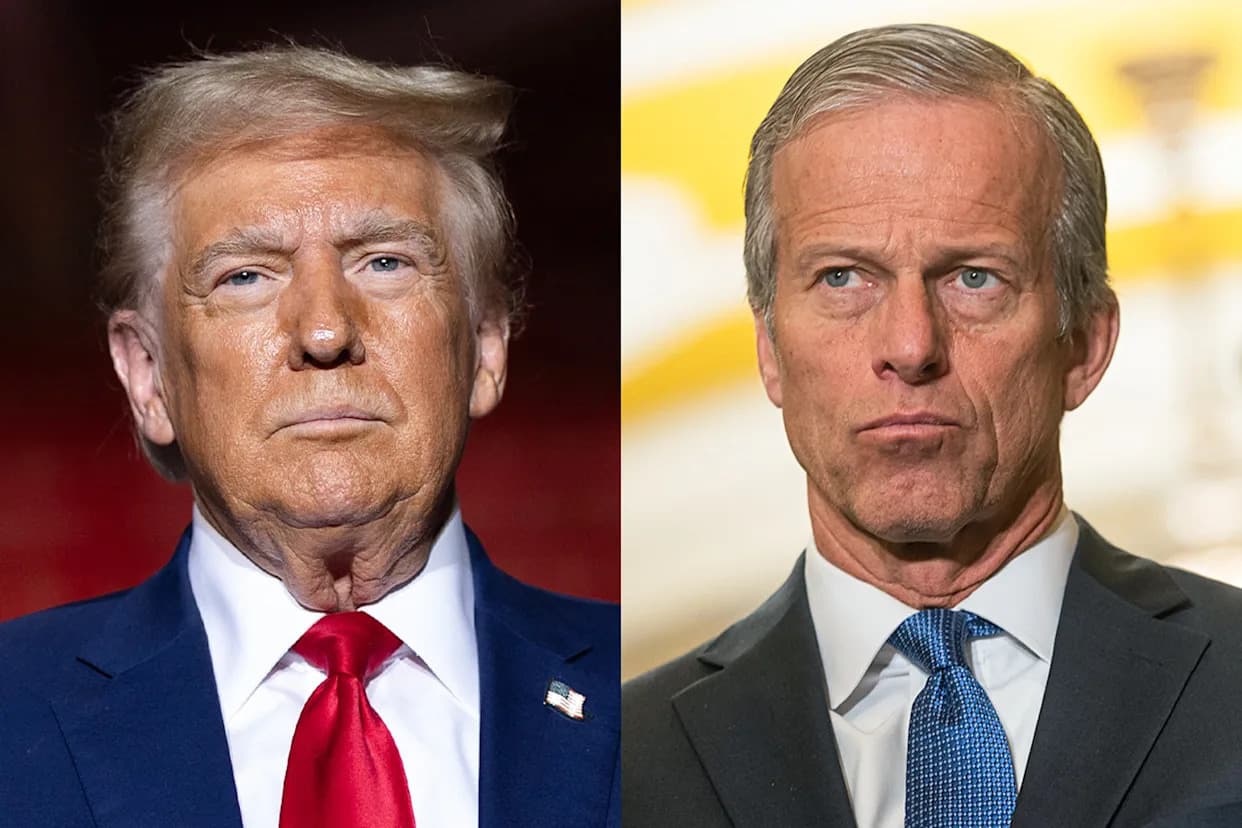
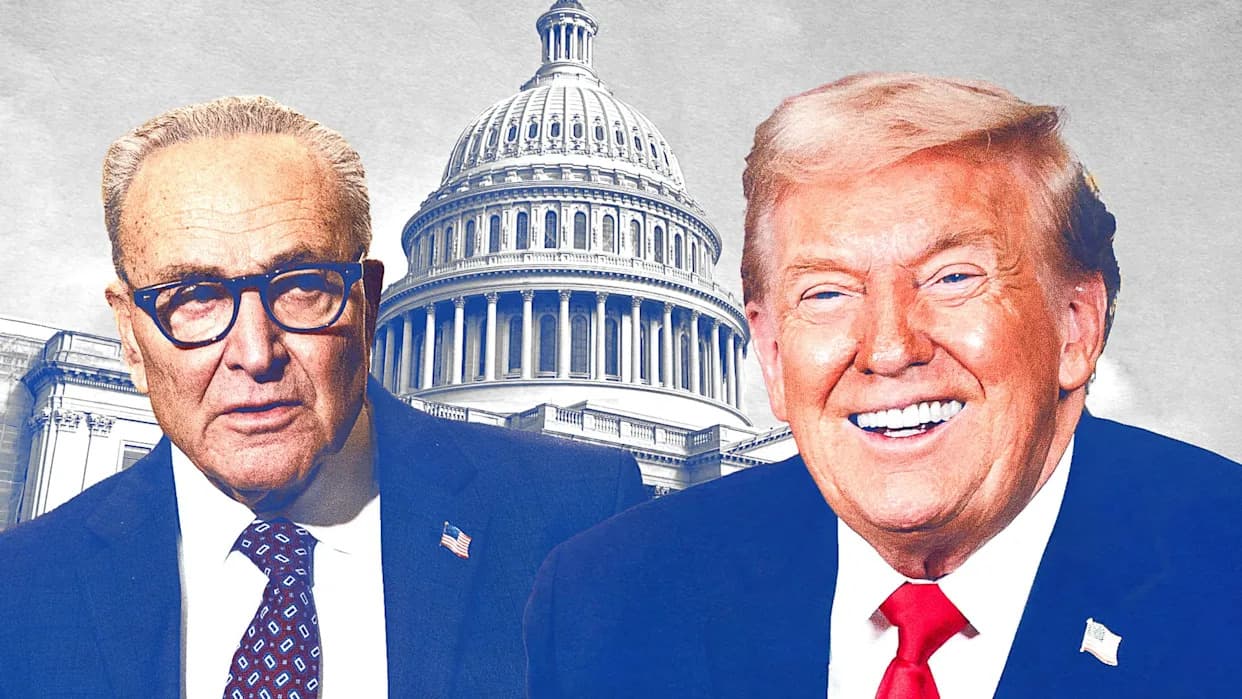
Separately, former President Donald Trump filed a $10 billion lawsuit on Thursday against the Internal Revenue Service and the U.S. Treasury Department over disclosures of his tax returns to the media in 2019 and 2020.
Help us improve.