Gaza’s small tech community — coders, technicians and freelancers — is working from tents and damaged buildings to keep digital services alive using scavenged parts, solar power and offline workflows. Official data show massive damage: UNOSAT estimates about 198,273 structures damaged and 123,464 destroyed, while PCBS reported 64% of mobile towers out of service as of April 2025. The telecommunications sector’s value collapsed from $13M in 2023 to $1.5M in 2024, and repair efforts are hampered by blocked equipment and ongoing instability.
From Rubble to Router: Gaza’s Tech Workers Fight to Keep Digital Life Alive

Palestinians work on laptops and mobile devices in Gaza despite widespread destruction of telecommunications infrastructure [Al Jazeera]
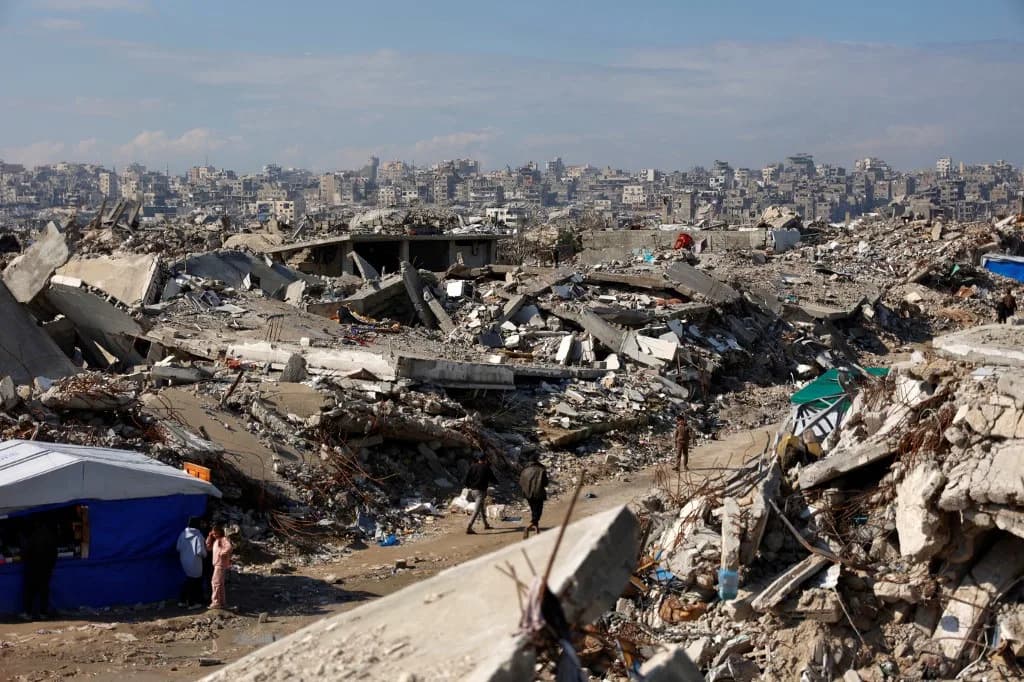
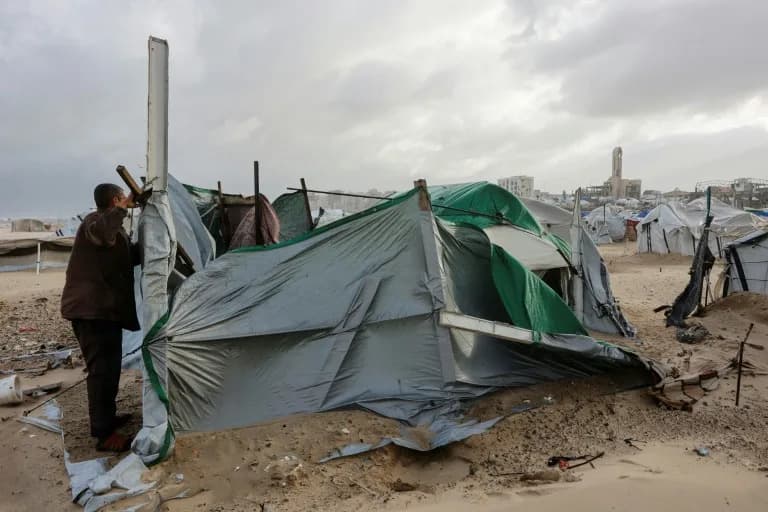
In Gaza, where a large share of the built environment has been destroyed, a small community of coders, repair technicians and freelancers is striving to preserve what remains of the territory’s digital life. Working from displacement camps, tents and damaged buildings, these young Palestinians rely on scavenged parts, solar power and intermittent connections to maintain links with clients and emergency services abroad.
Life Under the Rubble
Operating with limited electricity and scarce spare parts, Gaza’s tech community adapts constantly. Many write code offline in notebooks, patch devices from components stripped from damaged equipment and store solar energy when the sun is available. They then wait for rare windows of connectivity to upload work or transmit vital information.

Technicians in Gaza work to repair telecommunications equipment amid severe shortages of spare parts and electricity [Al Jazeera]
“We just always look for another way to get connected, always find another way,” said Shaima Abu Al Atta, a coder working from a displacement camp. “This is what actually gave us purpose because if we didn’t do this, we would just die surviving and not doing anything. We would die internally.”
Damage and Data
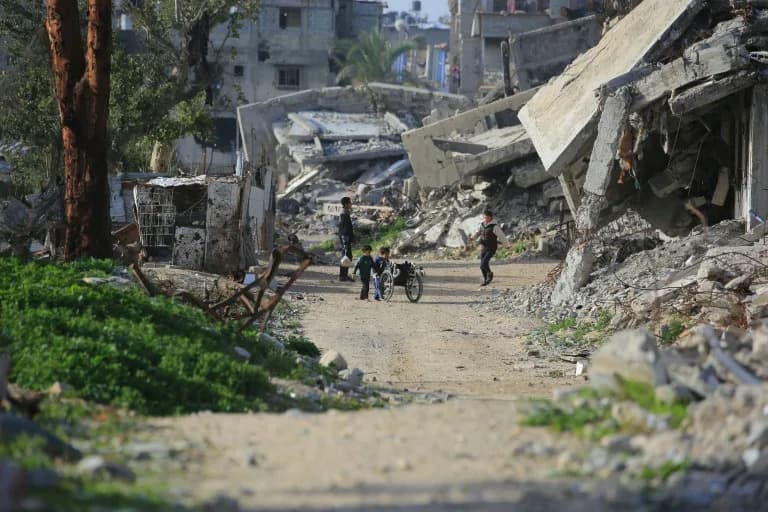
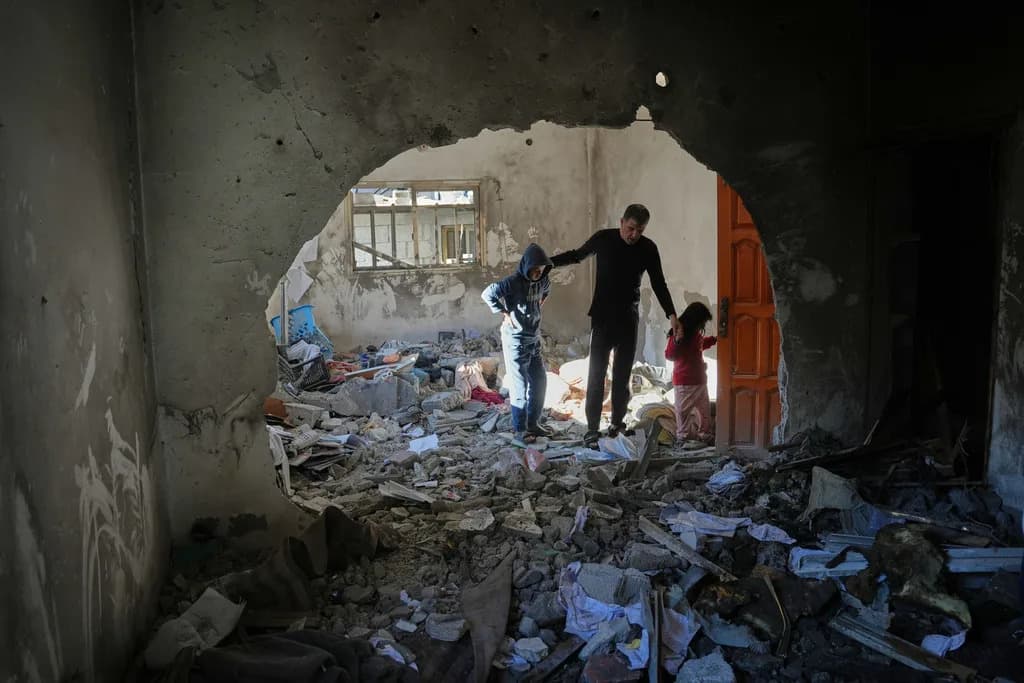
Official and independent sources document widespread destruction and service loss. The United Nations Satellite Centre (UNOSAT) estimates roughly 198,273 structures across Gaza were damaged and 123,464 completely destroyed. Data from the Palestinian Central Bureau of Statistics (PCBS) reported that 64 percent of mobile phone towers were out of service as of early April 2025, with some areas such as Rafah seeing coverage collapse to roughly 27 percent.
Connectivity watchdog NetBlocks recorded repeated disruptions during the fighting, including a “near-total telecoms blackout” in January 2024 that lasted for days. According to PCBS reporting cited in media, Israeli forces have, they say, “deliberately and systematically destroyed” telecommunications infrastructure — a characterization presented here as the bureau’s assessment.

Palestinians struggle to maintain internet connectivity in Gaza, where most telecommunications infrastructure has been destroyed [Al Jazeera]
Economic and Social Impact
The telecommunications sector has suffered steep losses: its estimated value fell from about $13 million in 2023 to $1.5 million in 2024. Analysts estimate overall damages at more than half a billion dollars and project reconstruction costs of at least $90 million for the sector. Remote work — once a vital income source in a territory that faced unemployment rates above 79 percent before October 2023 — has become precarious as erratic internet access forces freelancers into joblessness.
Electricity shortages and soaring costs compound the crisis. Technicians report highly unstable power and much higher prices — one technician cited rates near $12 per kilowatt-hour, compared with far lower pre-war costs — and a critical shortage of spare parts, prompting salvaging from bombed equipment.
Services Disrupted and Barriers to Repair
The telecoms collapse also ripples across other services: banking transfers have been disrupted, leaving families unable to access cash, and health services have been affected, with the World Health Organization documenting deaths linked to the inability to contact emergency services in time. Even during a fragile ceasefire that began in October 2025, officials and aid groups reported that essential repair equipment was blocked from entering Gaza, limiting reconstruction and maintenance efforts.
Outlook
The future remains uncertain. Local technicians and international observers warn that without sustained access to repair equipment, reliable power and network infrastructure, Gaza’s fragile digital lifeline will be difficult to restore — deepening the humanitarian and economic impacts across the territory.
Help us improve.