New research suggests AI workloads in large data centers could emit roughly 33–80 million metric tons of CO2 in 2025 and use about 312–767 billion liters of water. Both estimates carry significant uncertainty because major AI firms do not publish detailed energy and water-use data. The study urges greater transparency so policymakers can reduce emissions and address local water stress where facilities are built.
Study: AI Data Centers May Produce More CO2 Than Some Countries — And Use Enormous Amounts Of Water

AI data centers may have created as much pollution as New York City and used a world’s supply of bottled water in just one year
New research warns that the electricity driving large AI workloads in specialized data centers could produce carbon emissions comparable to some small countries and consume vast amounts of water — but the estimates are highly uncertain because companies disclose little operational data.
Key Findings
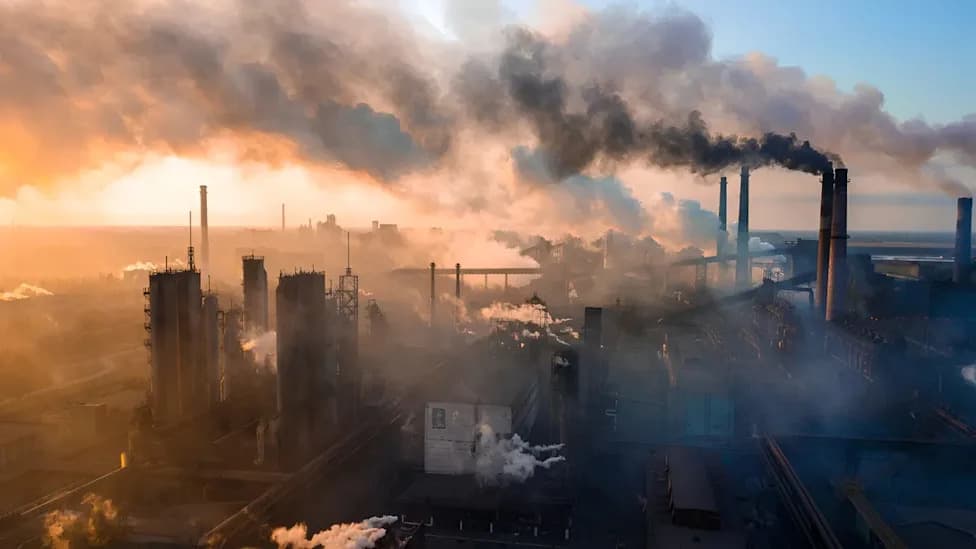
In a paper published in the peer-reviewed journal Patterns, data scientist Alex de Vries-Gao estimates that electricity-related CO2 emissions from AI systems in 2025 fall between 32.6 million and 79.7 million metric tons (roughly 33–80 million tons). At the top end, that would exceed last year’s reported emissions for Chile, Czechia, Romania and even the city of New York (about 48 million tons when counting CO2 and other greenhouse gases).
The study also estimates AI’s total water footprint for 2025 at about 312–767 billion liters. If accurate, that amount would be many times greater than the roughly 46 billion liters of bottled water consumed globally each year.
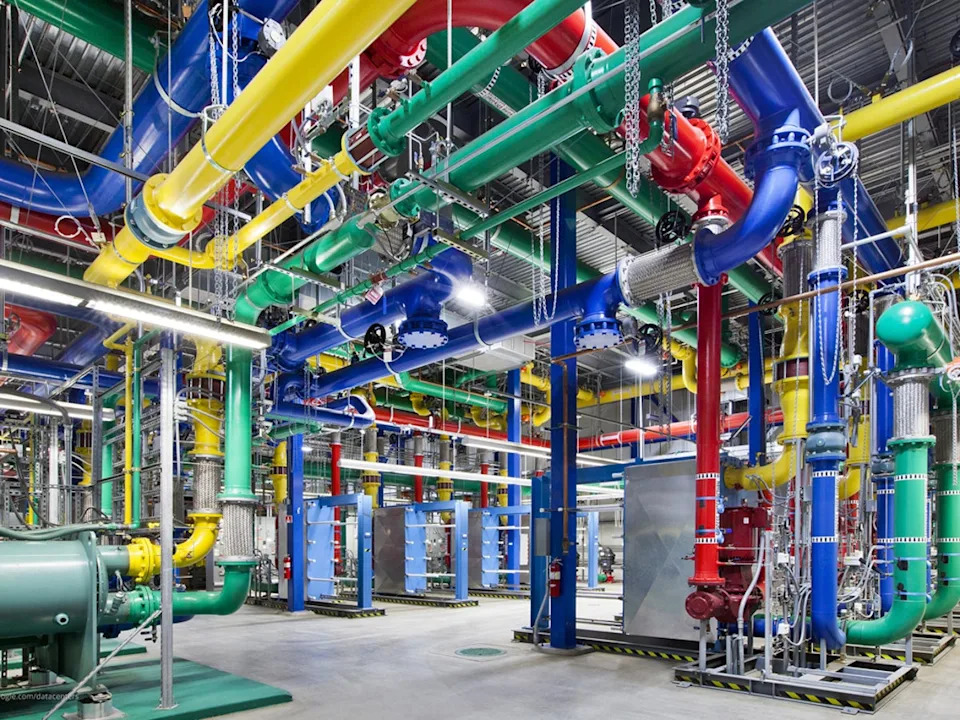
These colourful pipes are responsible for carrying water in and out of the Oregon data center. The blue pipes supply cold water and the red pipes return the warm water back to be cooled (Google)
How The Numbers Were Derived
De Vries-Gao combined his own projections of AI electricity demand — estimated at 9.4 GW at the end of 2024 and potentially 23 GW by the end of 2025 — with International Energy Agency figures for data-center CO2 intensity. Water figures include both direct cooling water used by data centers and the indirect water used by power plants to generate the required electricity.
"Without transparent data, the biggest opportunities for mitigating the climate impacts of data centers and AI cannot be easily identified, and the effects of interventions will remain hidden as well," de Vries-Gao wrote.
Why Uncertainty Is High
De Vries-Gao and other analysts stress major sources of uncertainty: AI operators such as Microsoft, Google and OpenAI do not publish consistent, site-level data on energy use, cooling methods or water withdrawals. Emissions and water consumption also vary widely by facility, depending on factors such as local climate, cooling technology (air vs. water cooling), and electricity generation mix.
Another important distinction is between consumptive water loss (water that evaporates or is not returned to the local system) and water that is withdrawn but largely returned by power plants — a difference that affects environmental impact but is often conflated in headline figures.
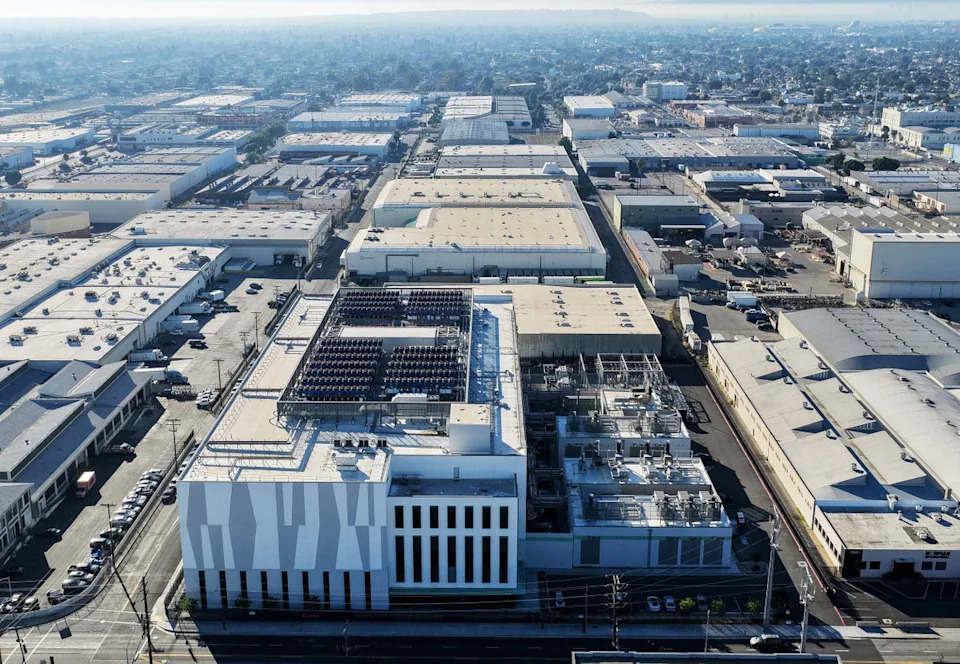
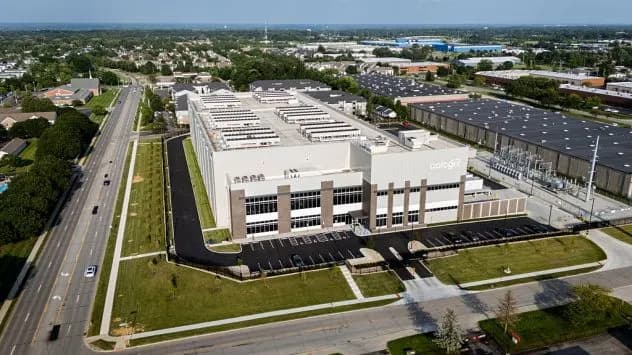
An aerial view of a 33 megawatt data center with closed-loop cooling system on October 20, 2025 in Vernon, California. A surge in demand for AI infrastructure is fueling a boom in data centers across the country and around the globe (Mario Tama/Getty Images)
Local Impacts, Protests And Policy Responses
Rapid growth in AI compute demand has spurred new data-center builds, higher local electricity demand and, in some places, community pushback over water and energy impacts. Examples cited in the study and reporting include Newton County, Georgia, where a major data center was followed by water-price increases and damaged wells, and Phoenix, Arizona, where a report projects a potential 32% rise in local water stress if planned facilities proceed.
At the national level, 230 environmental groups have urged Congress to impose a moratorium on new data centers while impacts are assessed. Industry groups and some commentators counter that water concerns are sometimes overstated and that other sectors use more water without similar scrutiny.
What’s Next
De Vries-Gao calls for greater transparency from data-center operators and standardized public reporting so policymakers and communities can target mitigation measures effectively. Until then, estimates will remain wide and location-specific effects — not global aggregates — will often determine whether a given project causes local harm.
Bottom line: AI-driven data centers are likely a material contributor to both electricity-related emissions and local water stress in some regions. The scale and distribution of impacts remain unclear without better public data.
Help us improve.