Republicans in Congress and the Trump administration have refocused health‑policy debates on restricting gender‑affirming care for minors, advancing House measures to criminalize certain treatments and proposing CMS rules to block Medicaid funding and penalize hospitals that provide the care. Administration officials frame the actions as child protection and a political mobilizer, while major medical associations and LGBTQ+ advocates call the moves harmful and unsupported by clinical guidance. Estimates indicate relatively few minors receive medical interventions such as puberty blockers, though hundreds of thousands of teens identify as transgender. The dispute overlaps with broader fights over expiring ACA subsidies and state‑level restrictions as the midterms near.
GOP Shifts Health Debate: New Push To Restrict Gender‑Affirming Care For Minors Ahead Of Midterms

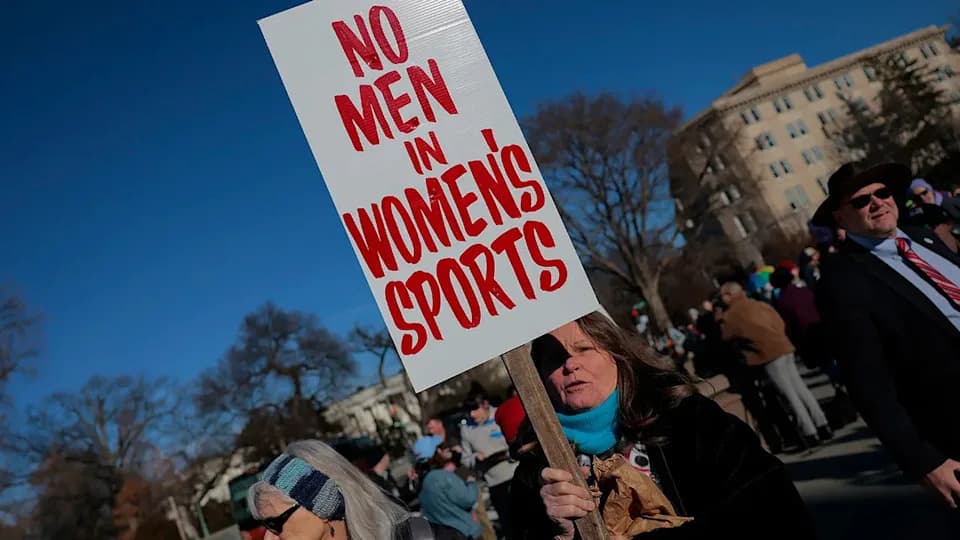
Republican leaders in Congress and officials in the Trump administration have refocused the national health debate on limiting gender‑affirming care for minors, advancing legislation and proposing federal rules that would sharply restrict or bar such treatments for children.
What Happened
This week the House advanced two measures: one would make providing hormones or surgery to transgender minors a felony, and another would prohibit Medicaid from covering those treatments for children. At the same time, Health Secretary Robert F. Kennedy Jr. and senior aides unveiled proposed rules from the Centers for Medicare and Medicaid Services (CMS) that would bar Medicaid funds for these services and could deny Medicare or Medicaid reimbursements to hospitals that offer gender‑affirming care to minors.
Administration Rationale And Pushback
Administration officials and some Republican lawmakers argue these steps protect children from harmful medical interventions and serve as a unifying issue for the GOP heading into competitive midterm elections. “These procedures will fall in the deepest abyss of the dark periods of American history like the lobotomies represent today,” said Mehmet Oz, who now oversees Medicaid policy for the administration, announcing the proposed changes.
“Men are men. Men can never become women. Children are innocent, and they need our protection,” said Jim O’Neill, a deputy to Secretary Kennedy.
Major medical organizations — including the American Academy of Pediatrics and the American Medical Association — strongly disagree with the administration’s approach. They support access to gender‑affirming care for adolescents and say clinicians typically prioritize counseling, social transition, and hormone therapies over surgical procedures for minors.
Scope, Research And Policy Context
Research suggests the number of minors receiving certain medical interventions is small relative to the population of transgender youth. A peer‑reviewed research letter in JAMA Pediatrics estimated roughly 18,000 children would be affected as of 2022, with fewer than 1,000 having used puberty blockers. A separate estimate from UCLA’s Williams Institute, using CDC‑based data for 2021–2023, found about 724,000 U.S. teenagers under 18 identify as transgender (about 3% of that age group).
The timing of the push intersects with broader health‑care fights: subsidies for Affordable Care Act plans that Democrats expanded in 2021 are set to expire on Dec. 31, which could raise premiums for millions. Many Republicans oppose extending those subsidies, but moderates in the GOP worry the change could cost them competitive seats. Opposition to gender‑affirming care, by contrast, largely unites Republicans and is seen as a galvanizing issue.
Political Impact And State Actions
Republican campaigns and outside groups have already used transgender issues in ads in competitive Senate and gubernatorial races. Some states require Medicaid coverage for gender‑affirming care, while about half of states already restrict or ban such treatments for minors. The Food and Drug Administration has warned manufacturers not to market breast binders to transitioning children, and HHS said it will stop classifying gender dysphoria as a disability and plans to issue a public health notice questioning the safety and efficacy of hormones for minors, according to the administration.
Congressional Votes And Reactions
Most House Republicans supported the criminalization and Medicaid restriction measures; only a small number of GOP moderates broke with the majority to oppose one or both bills. Democrats and LGBTQ+ advocates described the effort as politically motivated and harmful to vulnerable youth. “The transgender community is not responsible for health care costs rising. Republicans are,” Rep. Jim McGovern (D‑Mass.) said during House debate.
Advocates and medical professionals warn the proposals would disrupt care for children who rely on medical and mental‑health support. “The harms of these ideas and the threats to care have been so clear and so pronounced among patients,” said Scott Leibowitz, a child psychiatrist and board member of the World Professional Association for Transgender Health (WPATH).
What’s Next
Neither House bill currently appears to have the bipartisan support required to pass the Senate. CMS’s proposed rules must move through a formal rulemaking process before taking effect. The debate is likely to remain a central political and policy flashpoint as the midterm elections approach and as lawmakers weigh the expiration of ACA subsidies and other health‑care priorities.
Help us improve.