The Senate’s passage of the National Defense Authorization Act has brought the Lumbee Tribe of North Carolina closer to federal recognition after decades of effort. Recognition would provide federal funding, Indian Health Service access and the ability to place land in trust, but critics argue Congress should not bypass the Interior Department’s formal review. Support from former President Trump and Sen. Thom Tillis accelerated momentum, while some tribal leaders insist verification of historical claims remains essential.
After Trump’s Push, Lumbee Tribe Nears Federal Recognition as Senate Passes NDAA

FILE - Members of the Lumbee Tribe bow their heads in prayer during the BraveNation Powwow and Gather at UNC Pembroke, March 22, 2025, in Pembroke, N.C. (AP Photo/Allison Joyce, file)(ASSOCIATED PRESS)
With the Senate's recent passage of the National Defense Authorization Act (NDAA), the Lumbee Tribe of North Carolina has moved significantly closer to federal recognition — a goal pursued by the state-recognized tribe for generations. The vote, which included language addressing the tribe’s status, has prompted celebration among Lumbee members while renewing debate across Indian country about the proper path to recognition.
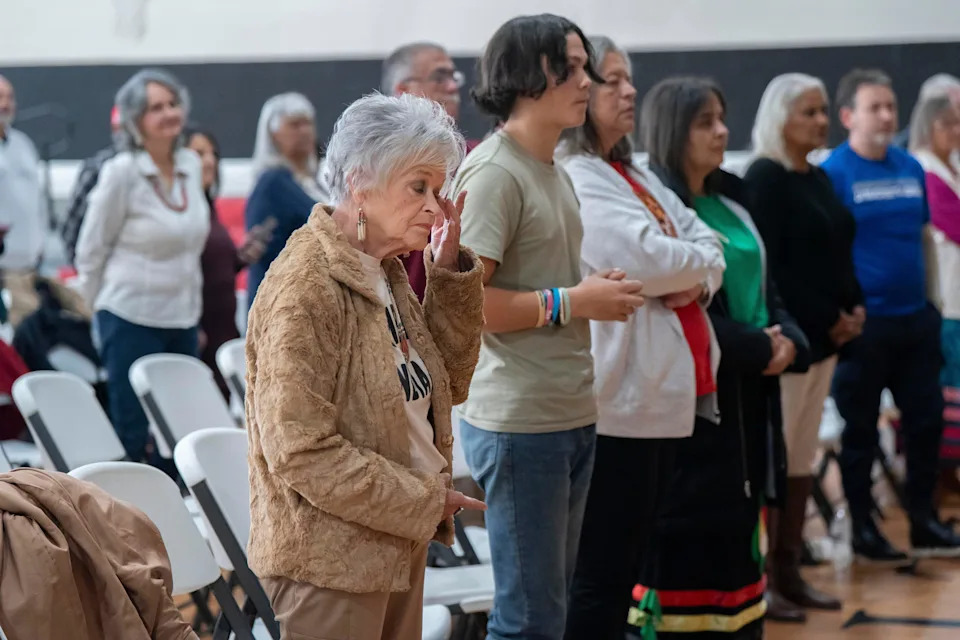
A woman wipes her eyes as people sing and drum during a watch party hosted by the Lumbee Tribe of North Carolina, Wednesday, Dec. 17, 2025, in Pembroke, N.C. (AP Photo/Allison Joyce)(ASSOCIATED PRESS)
The Journey to Recognition
The Lumbee have been recognized by North Carolina since 1885 and number roughly 60,000 members, making them one of the nation's larger Indigenous communities if Congress finalizes federal recognition. The tribe first sought administrative acknowledgment in the 1980s through the Interior Department’s Office of Federal Acknowledgment (OFA). That office declined to accept the petition at the time, citing a 1956 act of Congress that acknowledged the Lumbee but withheld the typical benefits of federal recognition.

A crown of Miss Lumber is seen during a watch party hosted by the Lumbee Tribe of North Carolina, Wednesday, Dec. 17, 2025, in Pembroke, N.C. (AP Photo/Allison Joyce)(ASSOCIATED PRESS)
In 2016 the Interior Department reversed course and allowed the Lumbee to re-enter the administrative recognition process; the tribe instead continued to press for recognition by an act of Congress. There are currently 574 federally recognized tribes in the United States. Since the OFA was created in 1978, it has approved 18 petitions; roughly two dozen tribes received recognition through congressional legislation. Nineteen petitions remain pending before the agency.
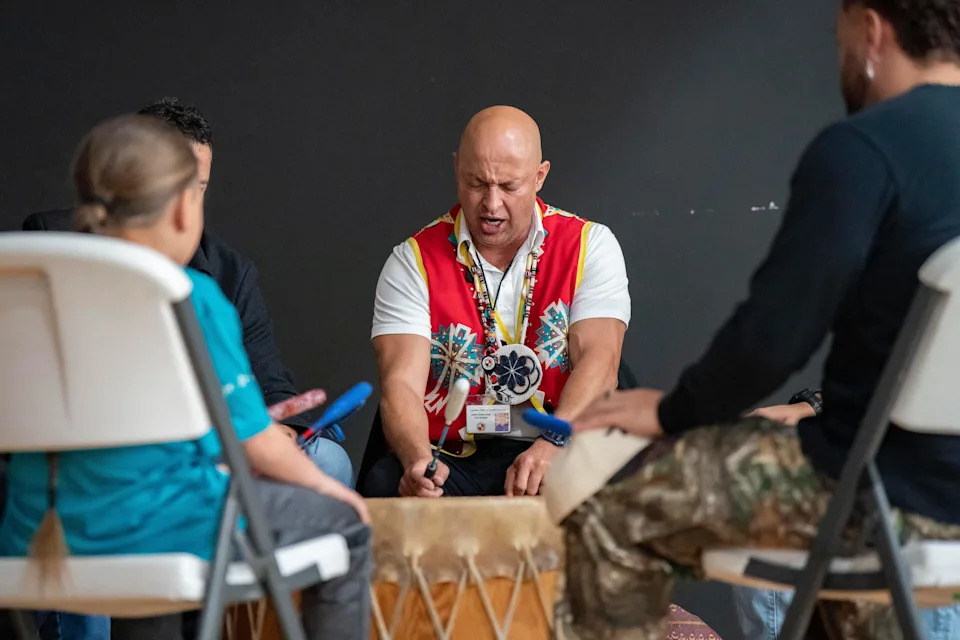
People sing while playing drums during a watch party hosted by the Lumbee Tribe of North Carolina, Wednesday, Dec. 17, 2025, in Pembroke, N.C. (AP Photo/Allison Joyce)(ASSOCIATED PRESS)
Benefits and Costs
Federal recognition would open access to a range of federal programs and funding, including grants, Indian Health Service programs, and the ability to place land into federal trust. The Congressional Budget Office has estimated that extending a full suite of federal resources to the Lumbee could cost several hundred million dollars during the first few years after recognition.
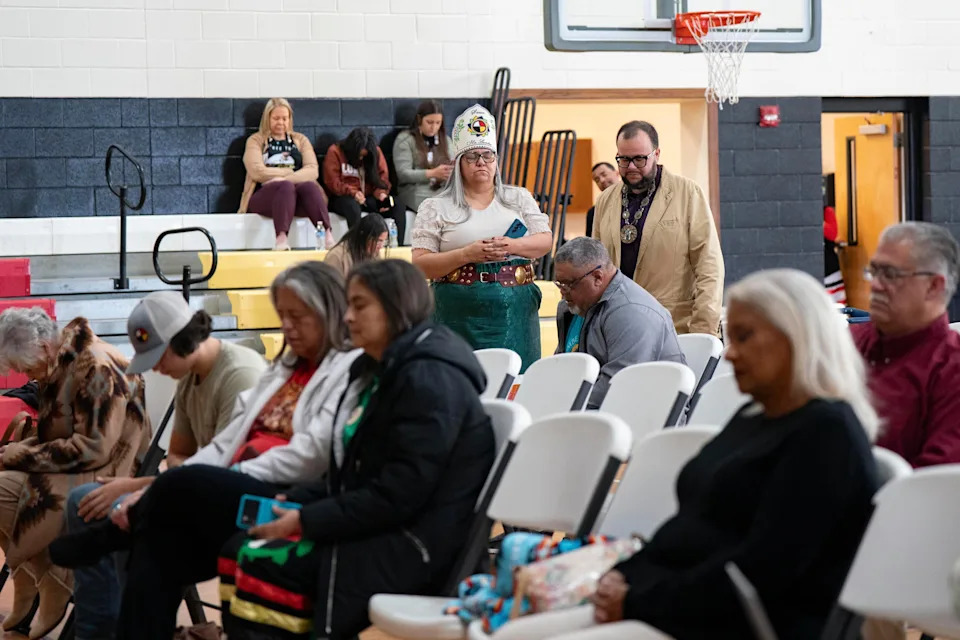
People bow their heads in prayer during a watch party hosted by the Lumbee Tribe of North Carolina, Wednesday, Dec. 17, 2025, in Pembroke, N.C. (AP Photo/Allison Joyce)(ASSOCIATED PRESS)
“It’s going to be a very, very emotional time for us. It’s going to be a time to rejoice and a time to be happy,”
Disagreement Over Process and Heritage
The momentum toward recognition has drawn sharp opposition from some tribal leaders, historians and genealogists who argue the Lumbee’s historical and genealogical claims should be verified through the OFA’s formal process rather than resolved by congressional action. Shawnee Tribe Chief Ben Barnes warned lawmakers that political considerations should not replace documentary evidence, saying, “Federal recognition does not create us — it acknowledges us.”
Critics cite shifts in how the group has identified itself over time — including past references to the Cherokee Indians of Robeson County — and argue the Lumbee lack a documented historical language. The Lumbee counter that their ancestry traces to peoples associated with Algonquian, Iroquoian and Siouan language families, and they point to long-standing state recognition.
Politics and Next Steps
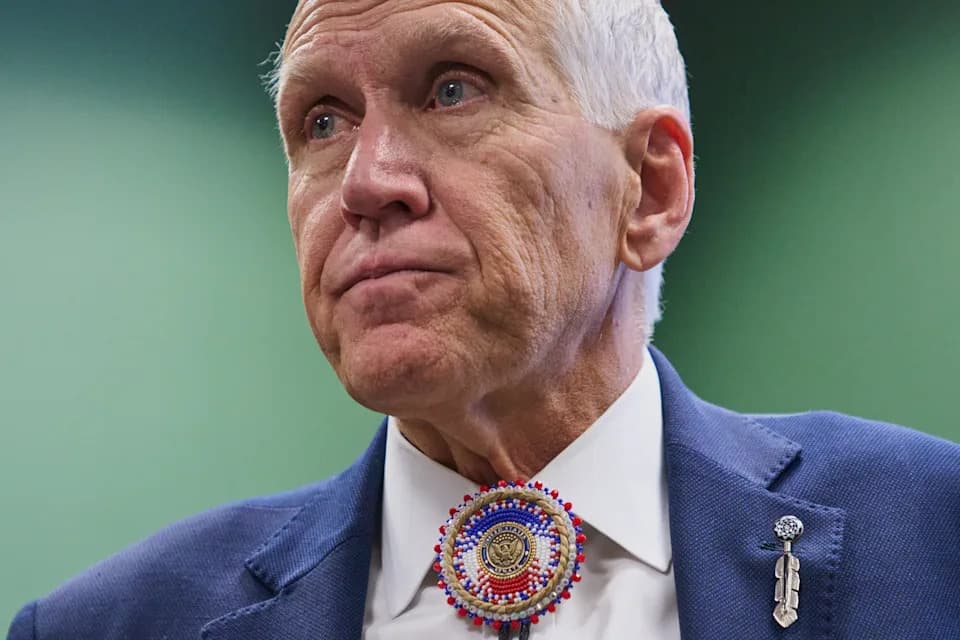
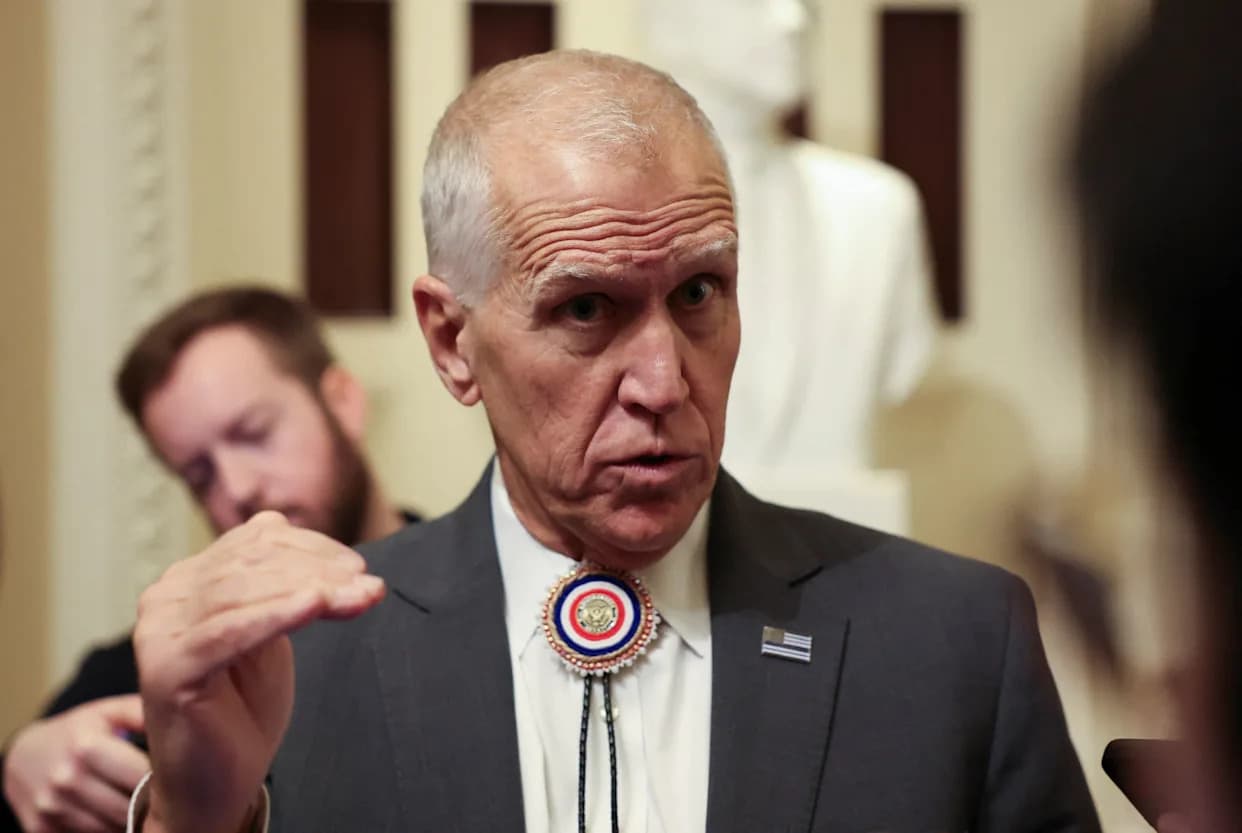
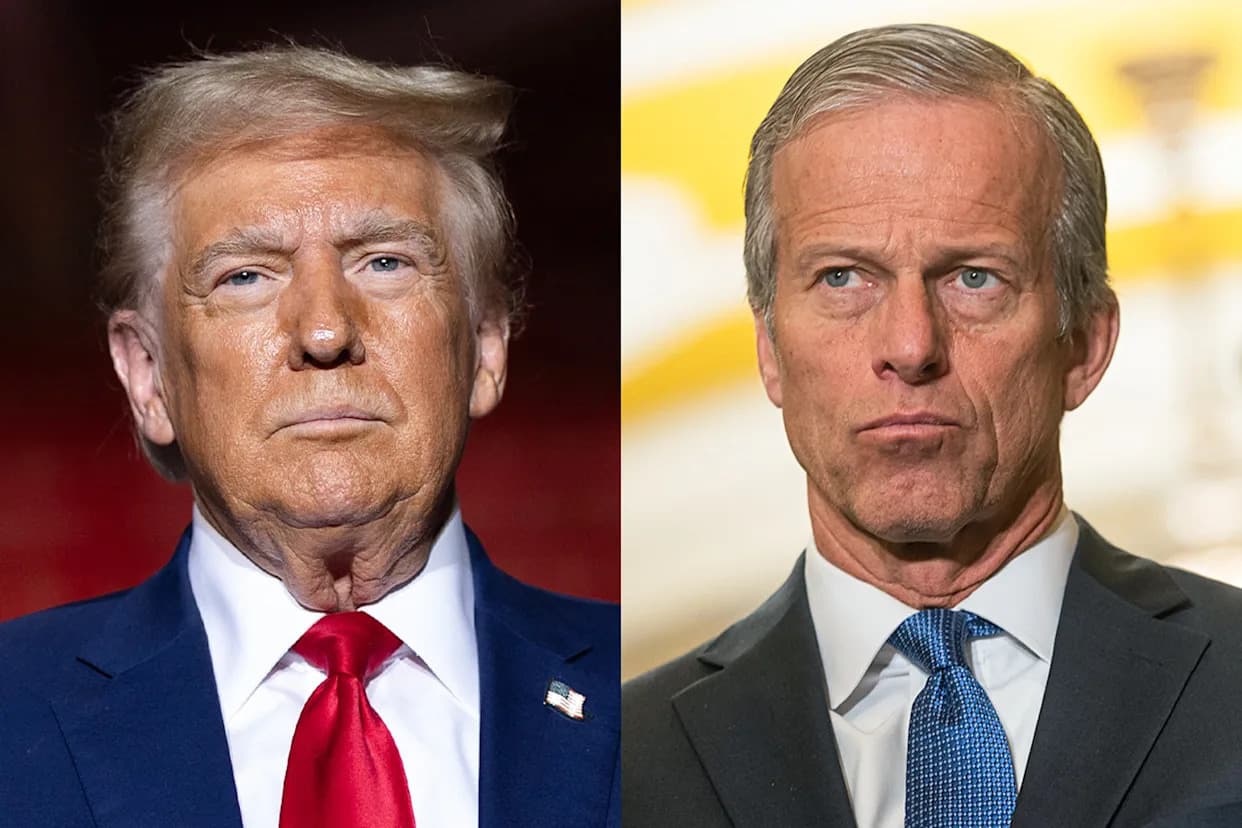
Support from both parties has surfaced over decades, but federal recognition accelerated after former President Donald Trump publicly backed the Lumbee during his campaign and later took executive steps related to recognition. North Carolina Senator Thom Tillis has been a prominent congressional sponsor of legislation recognizing the tribe. Lumbee Chairman John Lowery has worked closely with lawmakers and appealed directly to the White House in pursuit of recognition.
The NDAA language puts the tribe much closer to formal federal status, but final recognition depends on the bill becoming law and on subsequent administrative and budget actions to implement benefits. As debate continues, many Native leaders emphasize the need to balance political support with rigorous review of historical evidence so recognition remains credible and equitable for all tribes.
Help us improve.