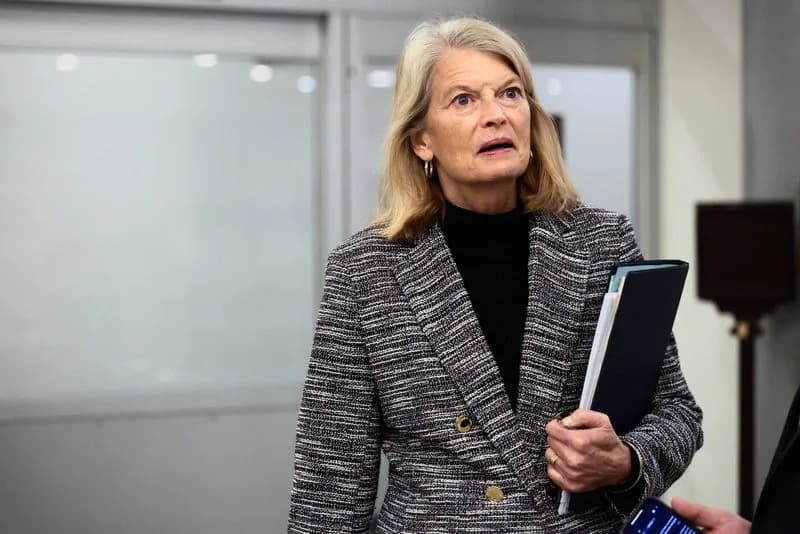
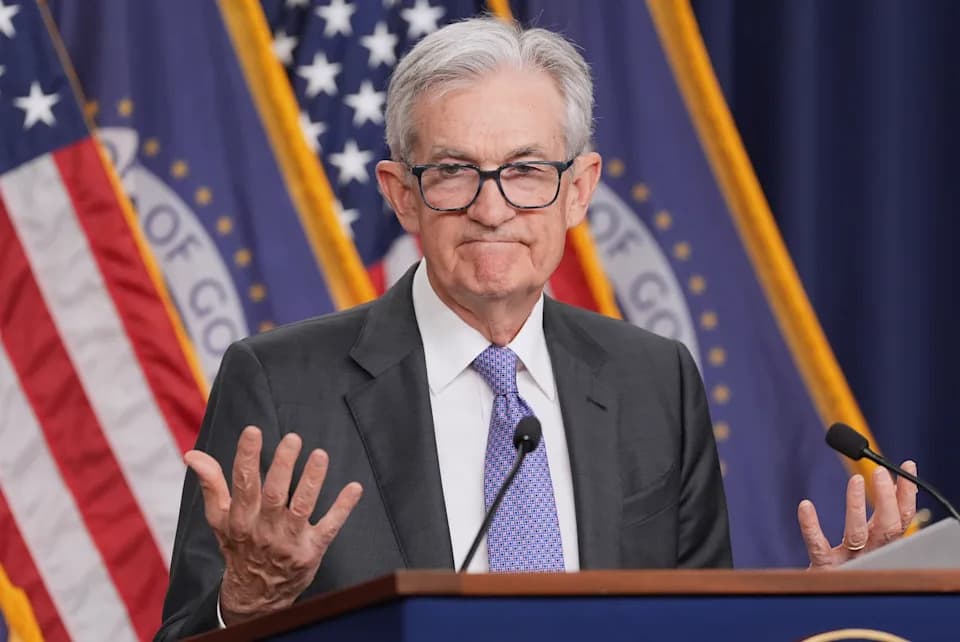
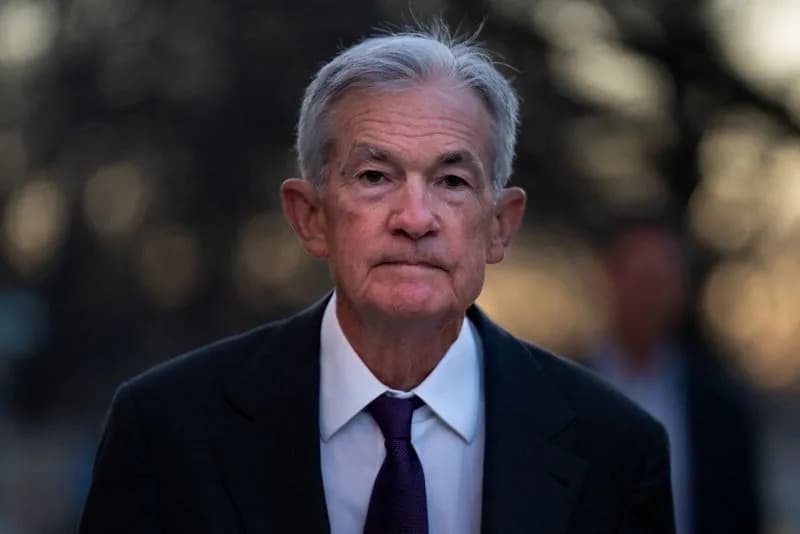
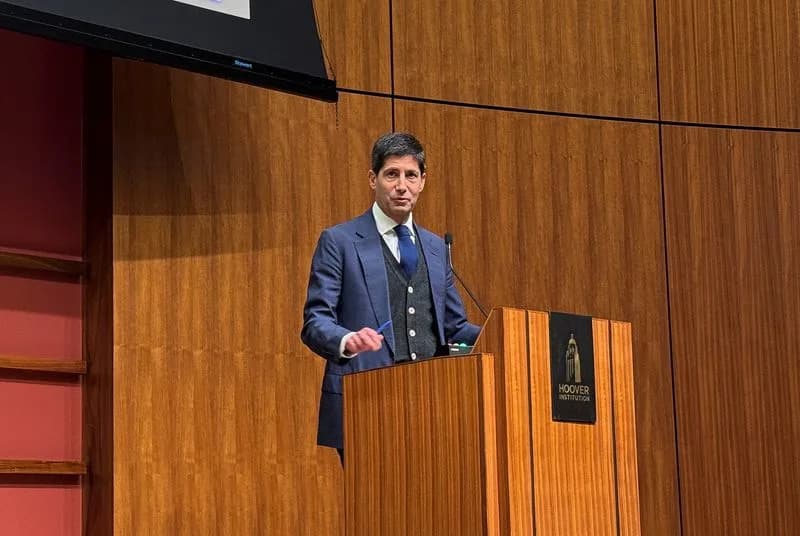
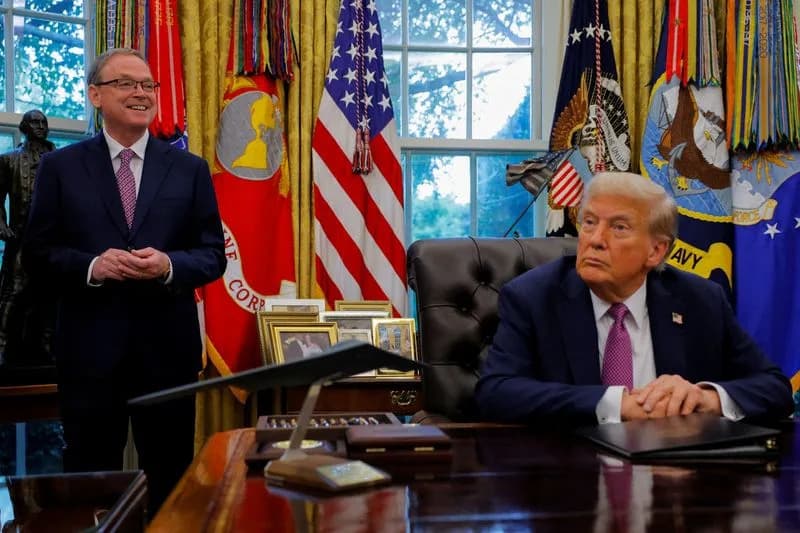
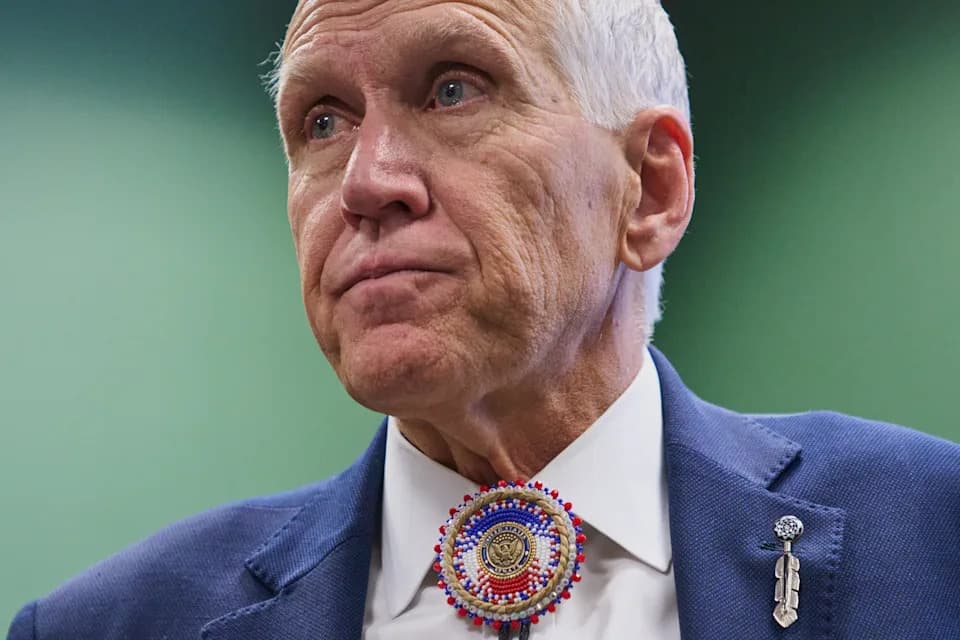
Sen. Thom Tillis says he will block any Fed nominee in the Senate Banking Committee until the DOJ drops its probe into Chair Jerome Powell, warning his stance could deadlock the committee and complicate confirmation efforts. Kevin Warsh, a former Fed governor praised by some market observers, was nominated by President Trump but faces skepticism from Democrats and some moderates over his independence. Republican leaders have signaled confidence in a careful confirmation process, while Powell is expected to remain acting chair if no successor is confirmed by May.
Tillis Threatens Senate Deadlock Over Trump’s Fed Pick Kevin Warsh
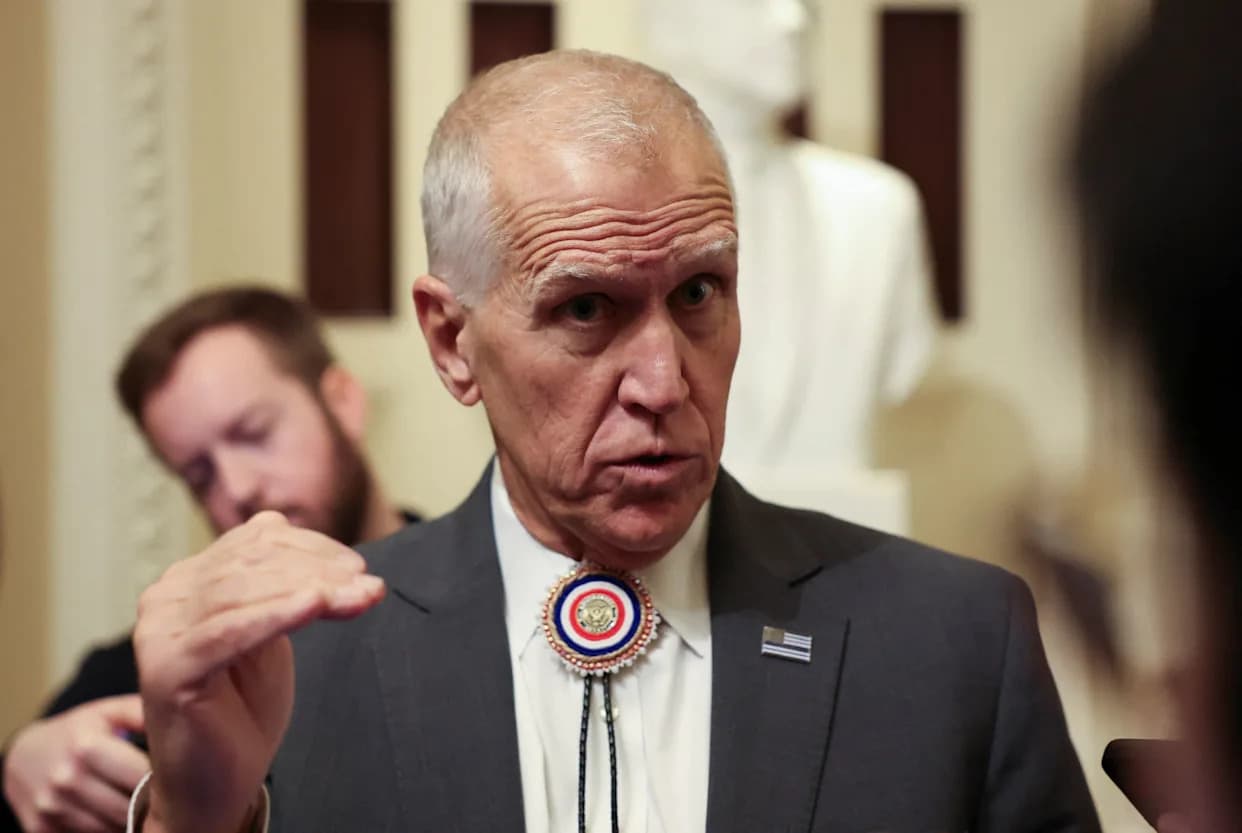
President Donald Trump's nomination of former Fed governor Kevin Warsh to lead the Federal Reserve ran into an immediate procedural obstacle after Sen. Thom Tillis (R-N.C.) vowed to block any Fed nominees in the Senate Banking Committee until the Justice Department ends its investigation into Fed Chair Jerome Powell.
Tillis Holds Firm
The retiring senator told Semafor he praised Warsh privately—"It's a great pick"—but will not advance the nomination. "This could have been frictionless. But if they choose friction, what else can I do except create more friction?" Tillis said, framing his opposition as a response to perceived White House pressure on the Fed and the pending DOJ probe.
What A Committee Block Would Mean
Tillis' pledge to deny a committee vote would deadlock the Senate Banking Committee and sharply limit Republican paths to a floor vote. To bypass the committee would require 60 votes to invoke cloture and proceed—an unlikely threshold given opposition from moderate and progressive Democrats and concern among some Republicans. Tillis said he doubted the White House could get 51 votes if the committee route is foreclosed.
Reactions From Lawmakers And Markets
Democrats expressed deep skepticism that a Trump-picked Fed chair could act independently. Sen. Elizabeth Warren (D-Mass.) accused Warsh of pivoting to support lower rates to align with the president, calling the possibility of a compliant chair troubling. Sen. Mark Warner (D-Va.) said it would be "difficult to trust" a chair selected by Trump to maintain independence.
Republican leaders defended the nomination. Senate Banking Chair Tim Scott (R-S.C.) said he planned a "thoughtful, timely confirmation process" and expressed confidence Warsh would bolster the Fed's credibility. Many investors also view Warsh as credible—markets showed little reaction to the announcement—and former Bank of England governor Mark Carney praised the selection.
Warsh's Record And Policy Focus
Kevin Warsh served as a Fed governor after being confirmed by voice vote in 2006. Reports indicate he is likely to pursue a smaller Fed balance sheet and updates to the central bank's economic models, moves that supporters say would modernize policy tools and critics worry could signal a tilt toward deregulation or different policy priorities than those under Jerome Powell.
Next Steps And Implications
Powell's term as chair ends in May, but tradition and precedent mean he would remain in an acting capacity until a successor is confirmed. Tillis warned the dispute could extend into the next Congress, noting that Senate composition could affect Republicans' ability to confirm any nominee. The standoff underscores wider anxieties about central bank independence amid political pressure.
Quote: "I actually sent a note to the president saying, 'It's a great pick.' But I'm not changing." — Sen. Thom Tillis
Reporting draws on Tillis' remarks to Semafor and public statements from senators and market observers, with additional reporting from Reuters, Bloomberg and the Financial Times.
Help us improve.