The Israeli military has notified authorities it will demolish 25 residential buildings in the Nur Shams refugee camp this week, a move local leaders say will affect about 100 family homes. The demolitions occur amid Operation Iron Wall, which Israel says targets armed groups, while rights groups and Palestinian officials call the measures part of a wider campaign that has damaged or destroyed roughly 1,500 homes and displaced about 32,000 people over the past year. Residents protested being blocked from returning and have denounced the action as forced displacement. Experts warn the policy contributes to the dehumanisation of Palestinian communities and deepens humanitarian needs.
Israel To Demolish 25 Homes In Nur Shams Refugee Camp As West Bank Operation Continues

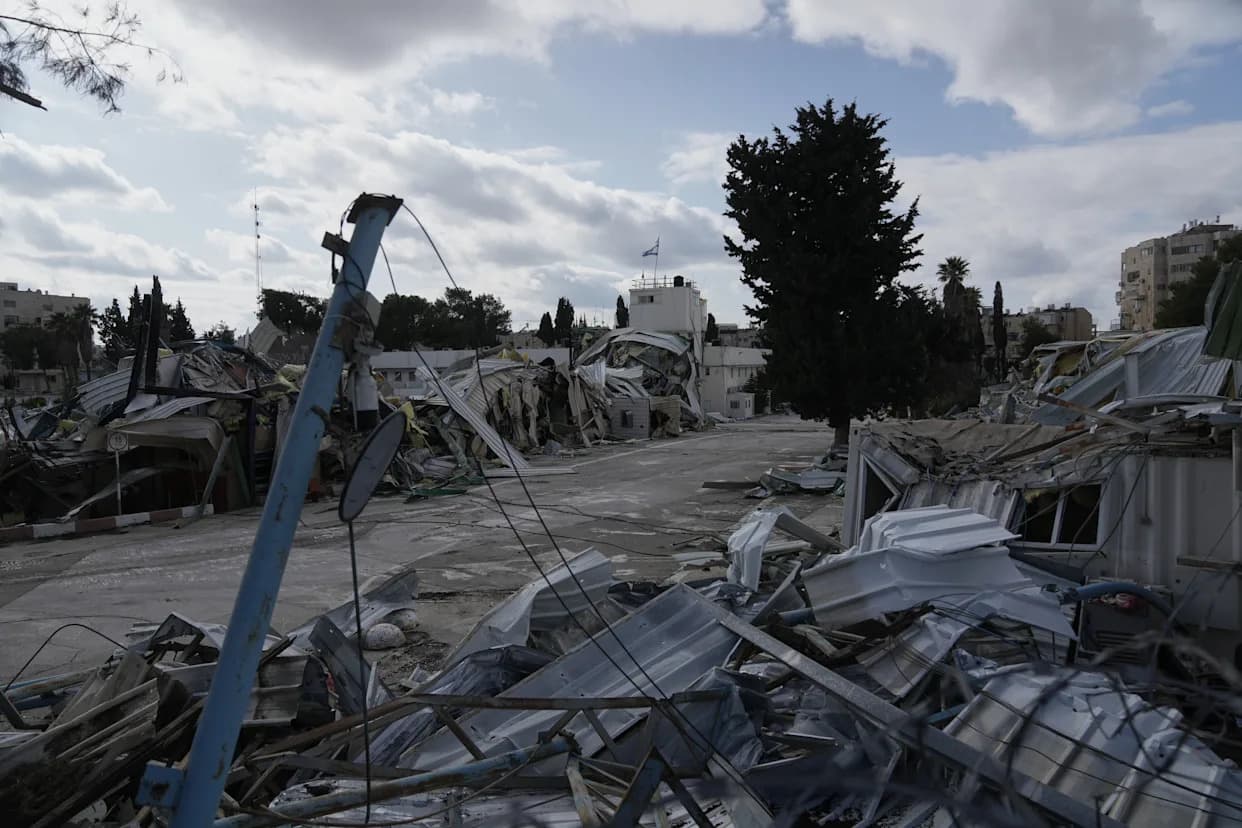
Palestinians survey a destroyed pavement after an Israeli raid in the Nur Shams camp near Tulkarem, on March 4, 2024 [File: Sergey Ponomarev/Getty Images]
The Israeli military has informed local authorities that it will demolish 25 residential buildings in the Nur Shams refugee camp in the occupied West Bank this week, officials said.
Abdallah Kamil, governor of the Tulkarem governorate where Nur Shams is located, told AFP that Israel’s Civil Administration body, COGAT, notified him of the planned demolitions. Faisal Salama, head of the popular committee for the nearby Tulkarem camp, said the order would affect roughly 100 family homes.
Israel launched "Operation Iron Wall" in the West Bank in January, saying the campaign targets armed groups operating in refugee camps across the northern West Bank. Palestinian officials, residents and rights groups say the demolitions are part of a broader campaign to seize and control territory.
Claims, Context and Reactions
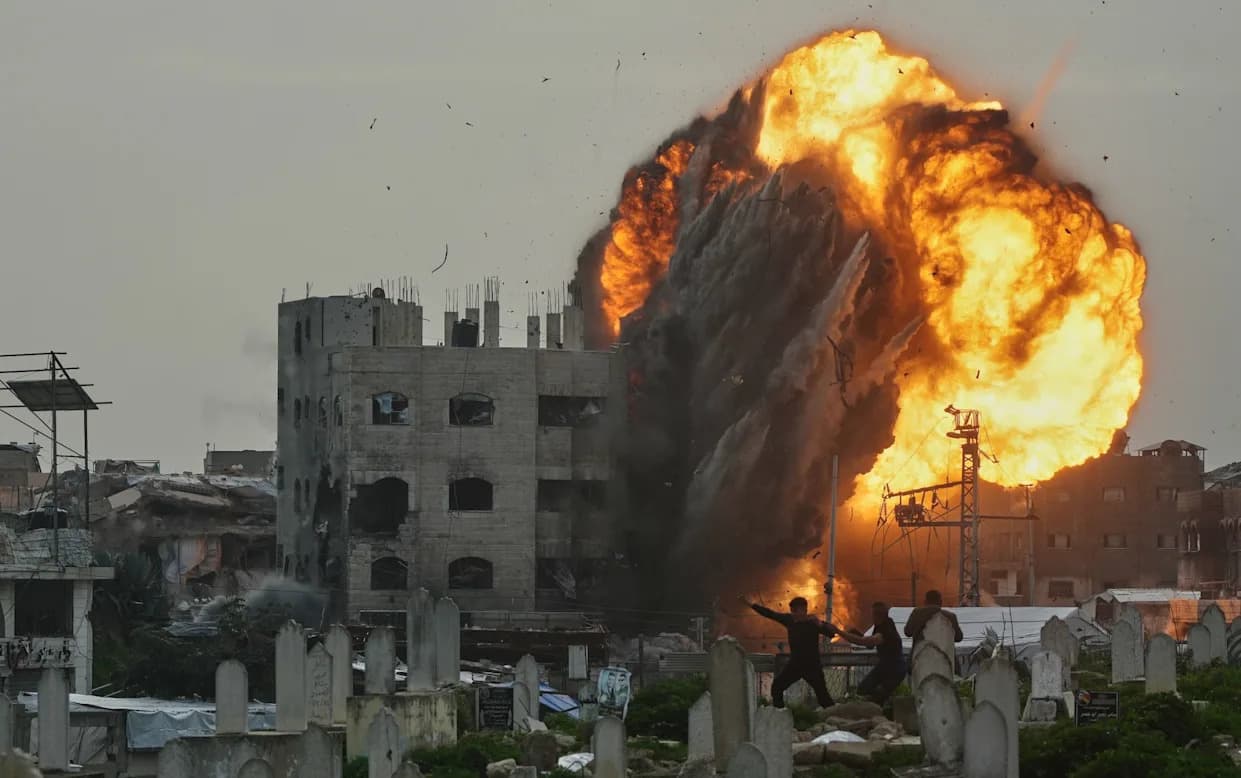
Human rights organisations warn that tactics now being used in parts of the West Bank mirror methods Israel employed in Gaza and are aimed at territorial control. Al Jazeera correspondent Nour Odeh, reporting from Ramallah, said:
“This is part of a wider campaign that has persisted for about a year, targeting three refugee camps and demolishing or damaging a total of about 1,500 homes in the past year, and forcibly displacing 32,000 Palestinians.”
Palestinian officials described the planned demolitions as a form of forced displacement. Rouhi Fattouh, head of the Palestinian National Council, told the Palestinian news agency Wafa that the decision amounted to "ethnic cleansing and continuous forced displacement." (Wafa)
Omer Bartov, a professor of Holocaust and genocide studies at Brown University, told Al Jazeera the campaign contributes to the dehumanisation of Palestinians in the occupied West Bank, saying it creates a "growing situation of social death." (Al Jazeera)
On-the-Ground Impact
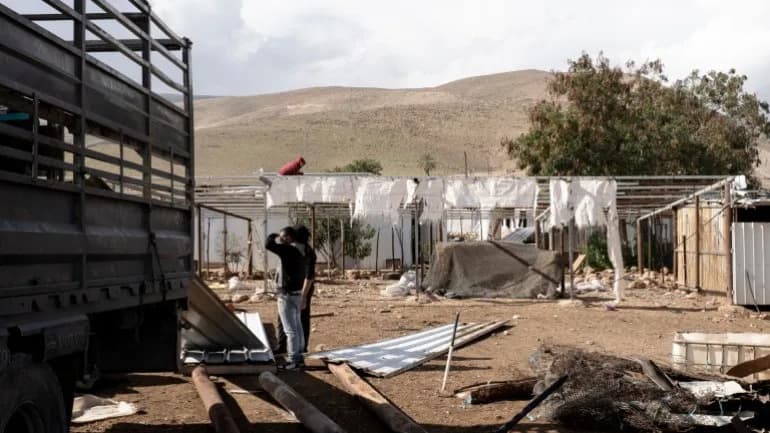
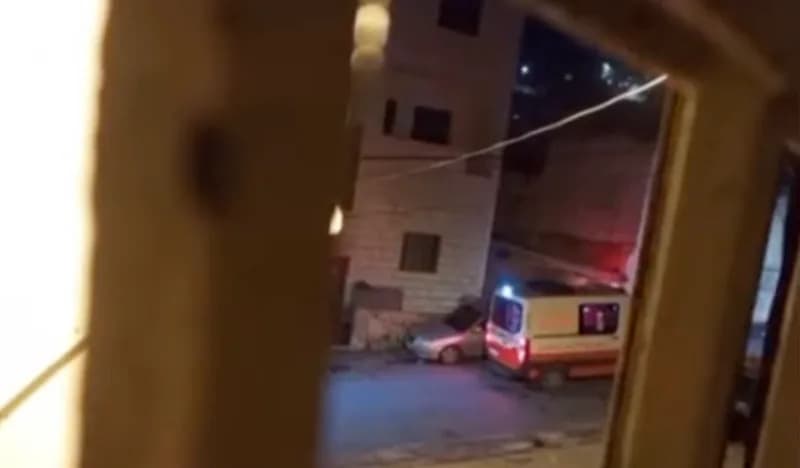
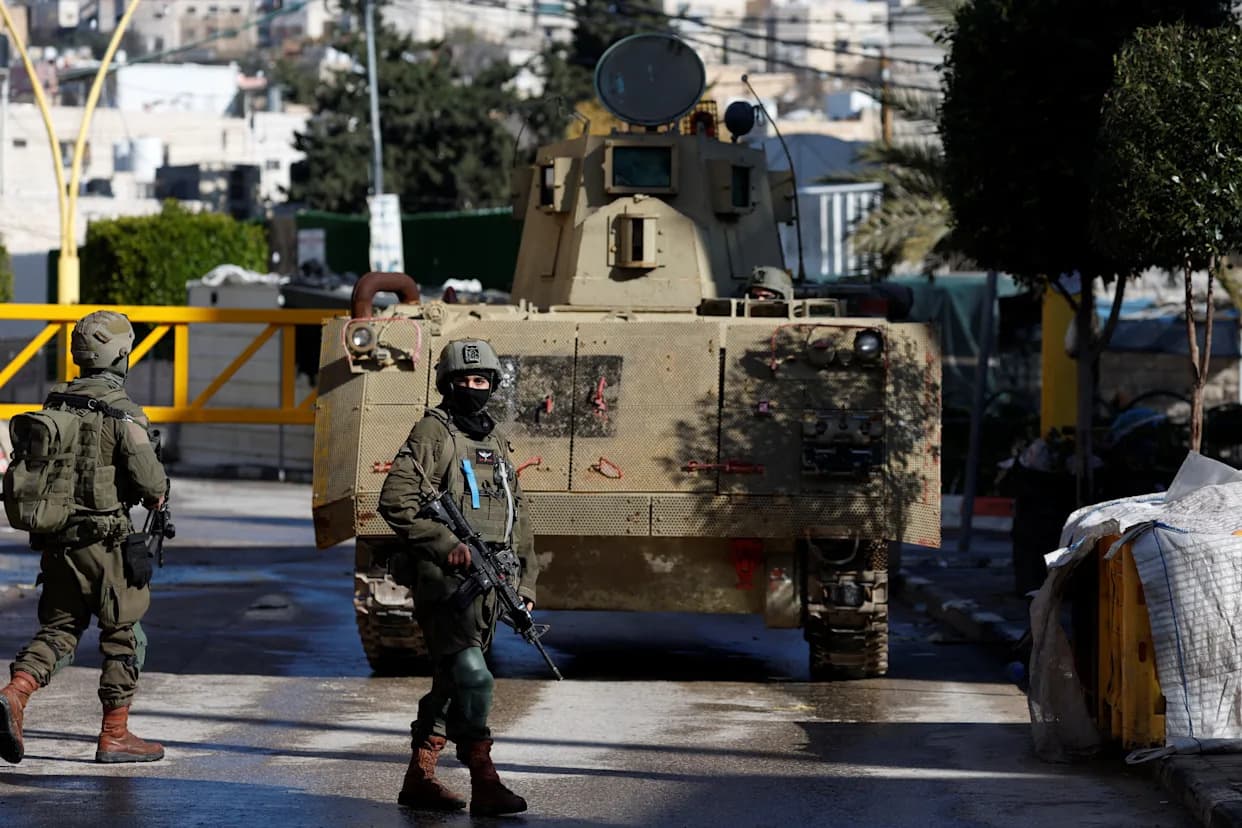
On Monday, a dozen displaced Nur Shams residents demonstrated in front of armoured Israeli military vehicles that blocked their return to the camp. Protesters denounced the demolition orders and demanded the right to return to their homes.
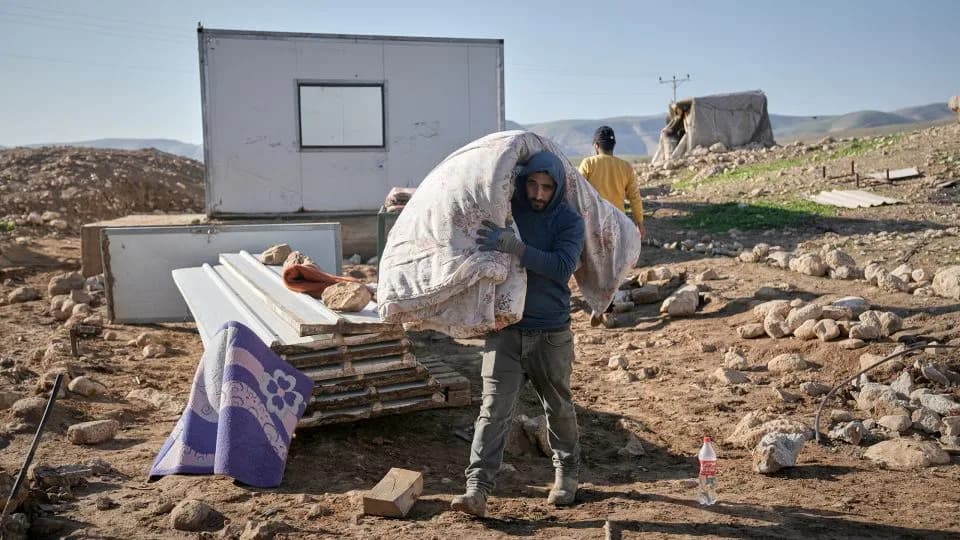
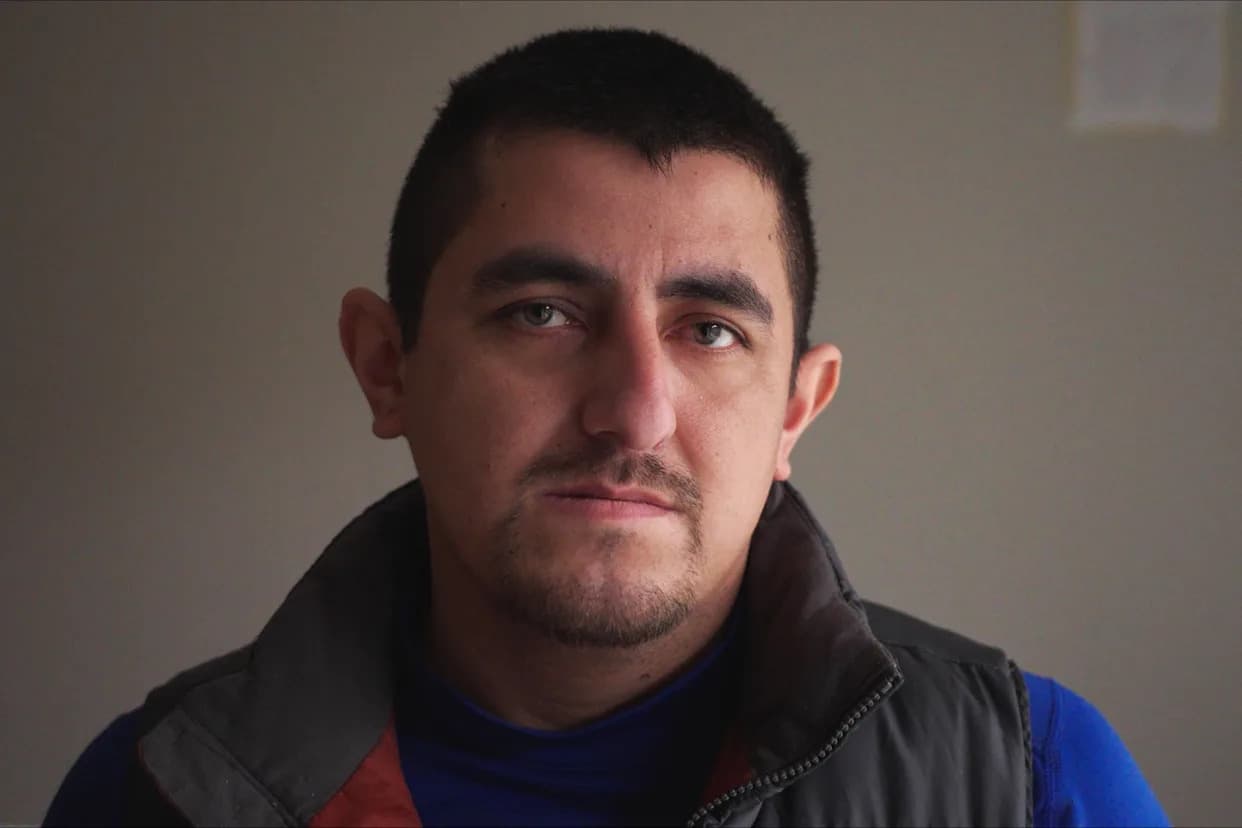
Residents quoted by AFP described fear and abandonment. Aisha Dama, whose four-storey family home shelters about 30 people and is among those slated for demolition, said she felt alone against the military action. Another resident, Siham Hamayed, said all her brothers' houses are scheduled to be destroyed and that family members were already homeless.
Historical Background
Nur Shams and other West Bank refugee camps were established after the 1948 Nakba, when hundreds of thousands of Palestinians were displaced from towns and villages inside what is now Israel. Over decades, these camps have evolved into dense neighbourhoods where refugee status is passed from one generation to the next.
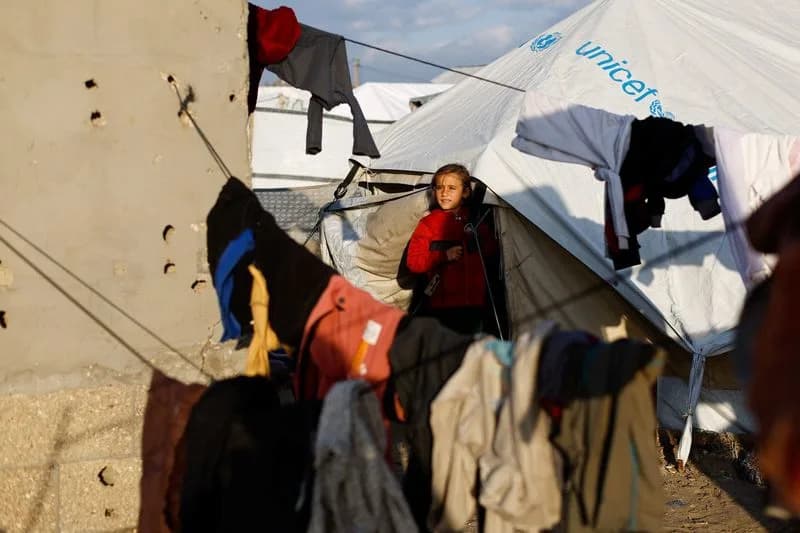
Humanitarian concerns: Rights groups warn that large-scale demolitions and displacement deepen humanitarian needs, compound insecurity and alter the demographic and geographic landscape of the West Bank. Israeli authorities say the operations are security-driven; critics say they produce wide civilian harm and may serve broader territorial aims.
Help us improve.