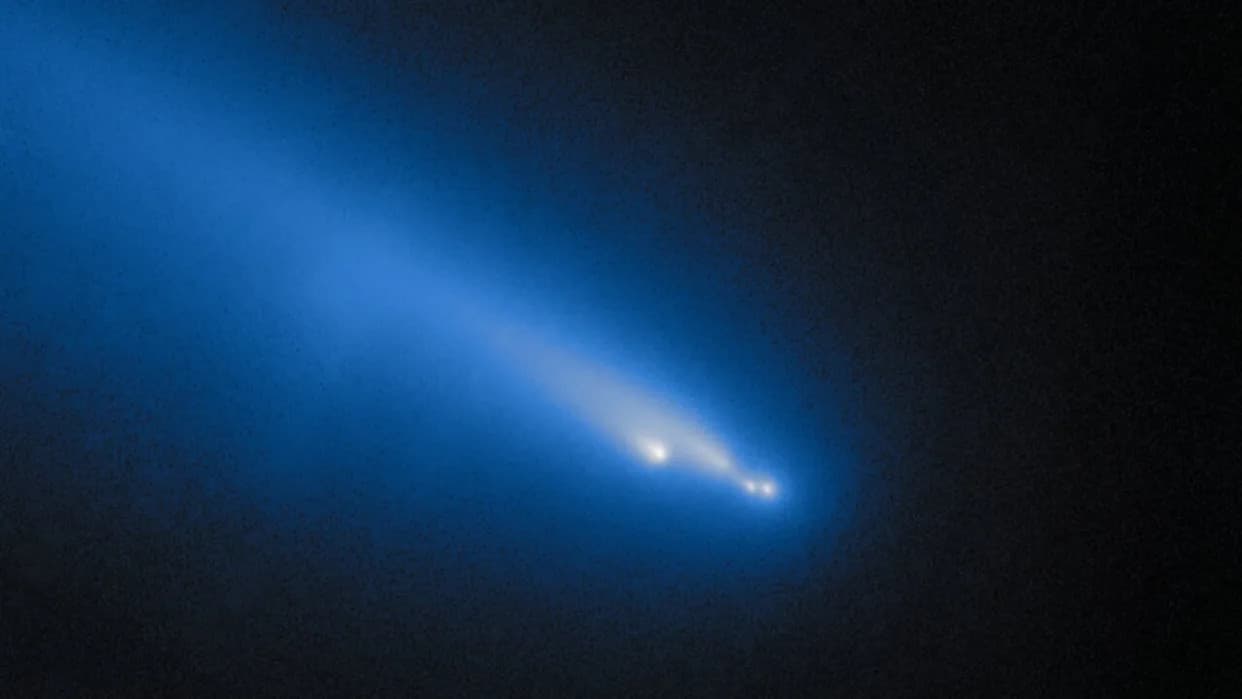
On Oct. 17, Paolo Gasparri photographed comet C/2025 R2 (SWAN) passing in front of the Eagle Nebula and the Pillars of Creation from the Atacama Desert. The comet's green coma—caused by fluorescent gases like diatomic carbon—appears against the nebula a month after perihelion on Sept. 12. Gasparri combined 40 exposures of 120 seconds each using a 130 mm Newtonian reflector near Copiapó. C/2025 R2 was discovered in SOHO/SWAN data on Sept. 10, 2025, and is not expected to return for about 1,400 years.
Comet C/2025 R2 (SWAN) Drifts Past the Pillars of Creation in Stunning Atacama Photo

Comet C/2025 R2 (SWAN) glows alongside the Eagle Nebula. | Credit: Daniele Gasparri
Photographer Paolo Gasparri captured a breathtaking deep‑space scene on the night of Oct. 17: comet C/2025 R2 (SWAN) crossing the field of the Eagle Nebula and the famed Pillars of Creation, from a dark site in Chile's Atacama Desert.
A Green Coma Against a Famous Nebula
The image highlights the comet's vivid green coma a little over a month after its closest approach to the Sun on Sept. 12. The green hue is produced when molecules such as diatomic carbon (C2), and sometimes cyanogen (CN), in the comet's coma fluoresce under sunlight.
The Eagle Nebula and the Pillars of Creation
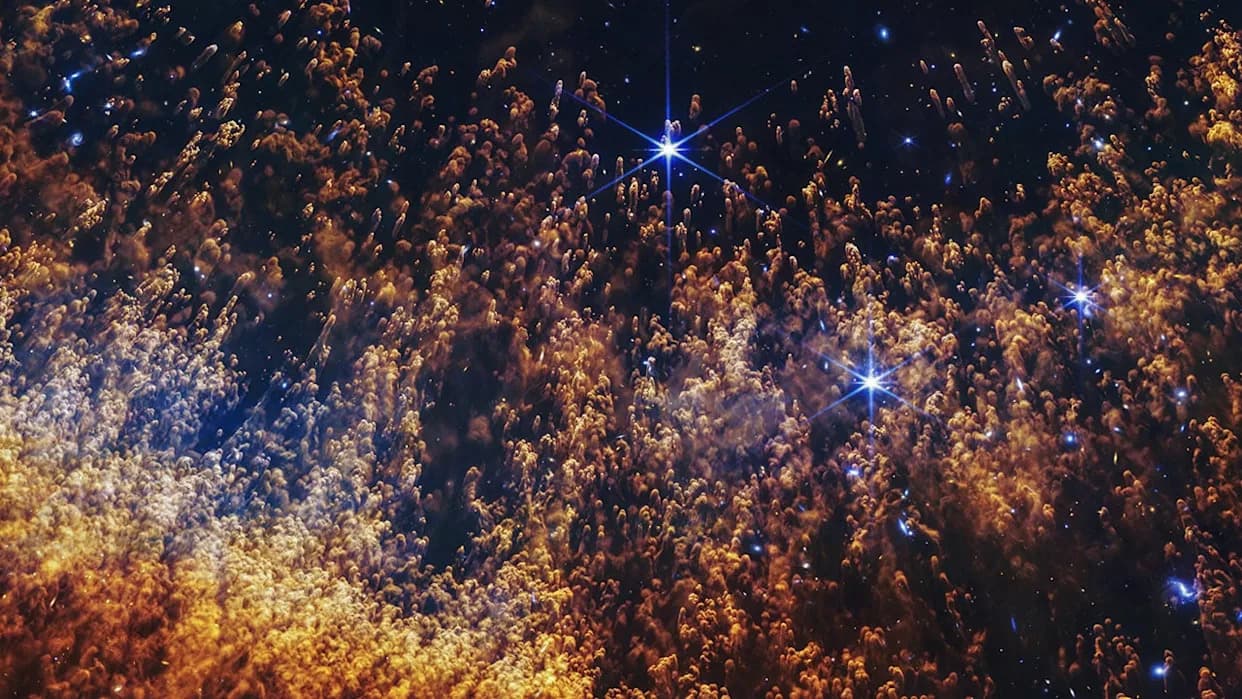
The backdrop is the Eagle Nebula, a vast cloud of dust and hydrogen‑rich gas ionized by radiation from hot young stars. The nebula, named for its resemblance to a bird of prey, is best known for the Pillars of Creation — towering, radiation‑sculpted columns of interstellar material immortalized by Hubble and more recently imaged by the James Webb Space Telescope. In Gasparri's frame the Pillars appear nestled in the star‑rich core of the nebula, to the left of the comet's bright coma.
How the Photo Was Made
Gasparri assembled the final view from 40 exposures of 120 seconds each using a 130 mm Newtonian reflector telescope at a site near Copiapó, Chile. He described the experience as "an amazing sight through the eyepiece, with its characteristic green coma drifting across one of the most observed nebulae in the sky."
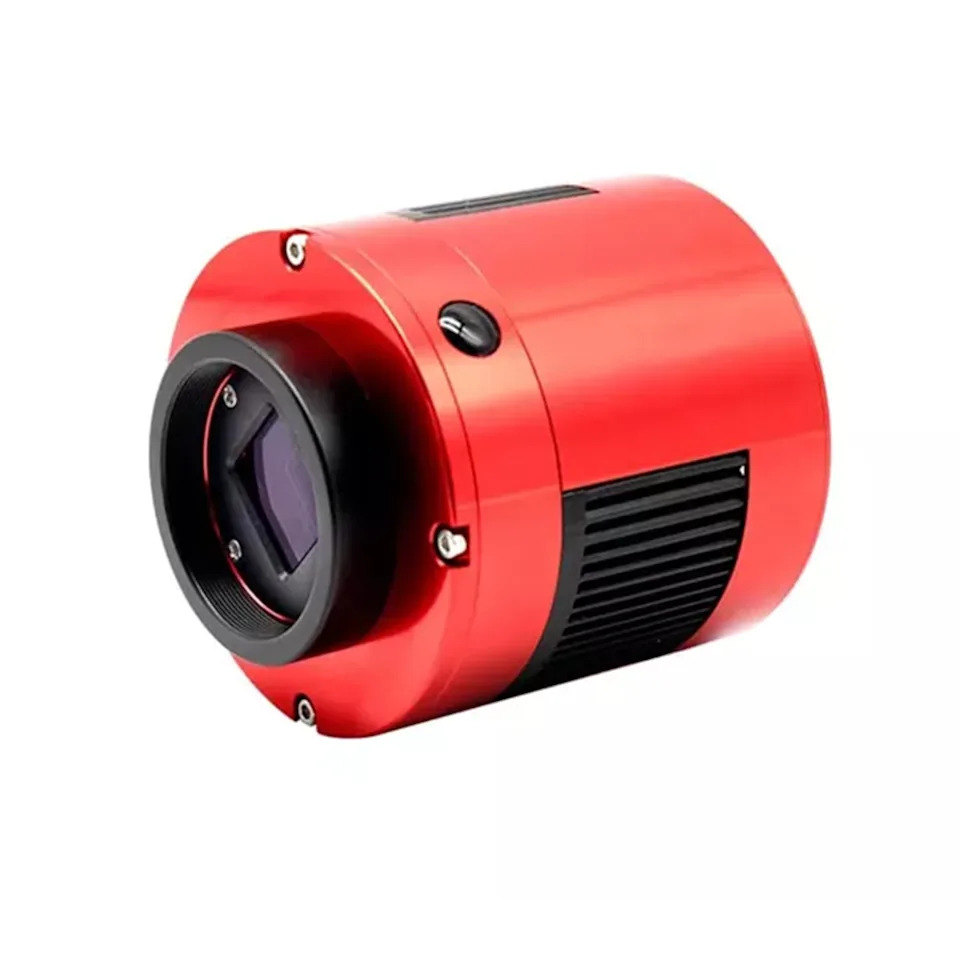
Product photo of the ZWO ASI533MC Pro camera
Comet Origins and Future Orbit
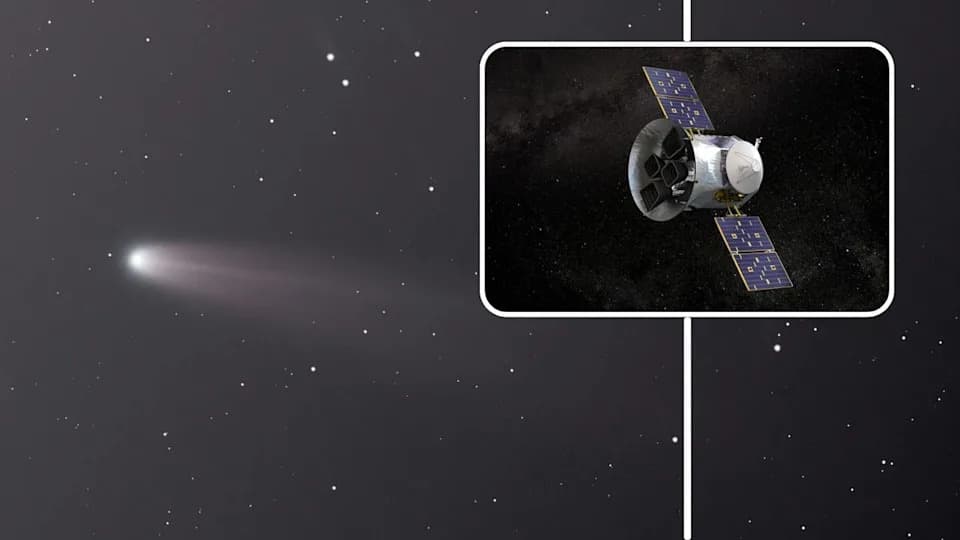
C/2025 R2 (SWAN) was first identified on Sept. 10, 2025, by Ukrainian astronomer Vladimir Bezgly in data from the SWAN camera aboard the Solar and Heliospheric Observatory (SOHO). The comet survived its perihelion on Sept. 12 and is now receding toward the outer solar system; orbital estimates indicate it will not return for roughly 1,400 years.
Why This Image Matters
Beyond its visual appeal, the photograph illustrates how transient Solar System visitors like comets can intersect with and briefly transform views of deep‑sky landmarks. Images like Gasparri's also highlight the value of ground‑based astrophotography from dark sites such as the Atacama Desert.
Gear Note: Gasparri used a 130 mm Newtonian reflector and multiple long exposures to reveal both the comet's coma and the faint structure of the Eagle Nebula. Dedicated astro cameras and stable mounts help produce comparable results for amateur and pro photographers alike.
"It was an amazing sight through the eyepiece, with its characteristic green coma drifting across one of the most observed nebulae in the sky." — Paolo Gasparri
Share Your Photos: If you'd like to share astrophotography with Space.com's readers, send your photo(s), comments, name and location to spacephotos@space.com.
Help us improve.