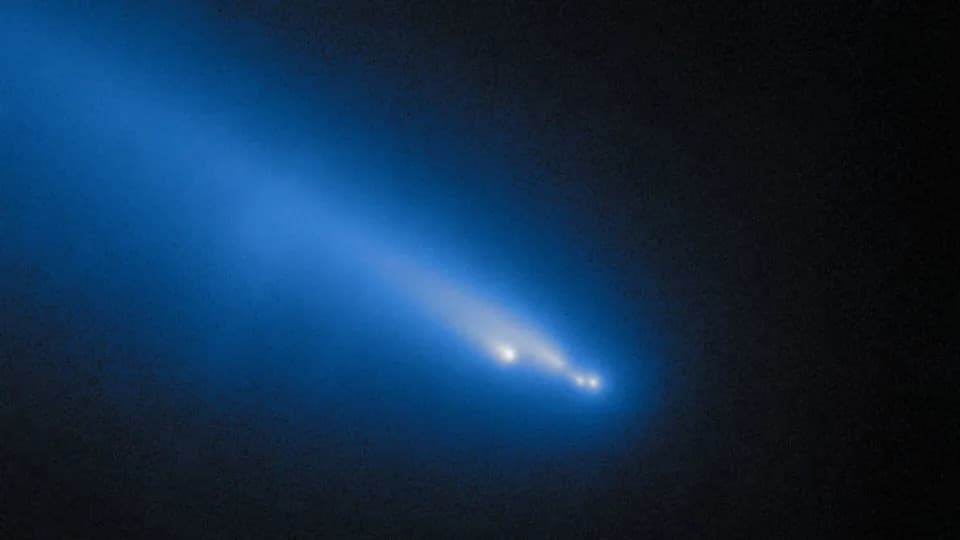
NOIRLab has released higher-resolution Gemini North images showing comet C/2025 K1 fragmenting into multiple pieces in October 2025, producing a dramatic orange glow. The comet, discovered by the ATLAS survey and likely originating in the Oort Cloud, passed as close as 0.334 AU (≈50 million km) to the Sun, where intense heating and solar particle activity likely triggered the breakup. The new images provide important data for spectroscopic and compositional studies of the fragments.
Gemini Reveals Spectacular Breakup of Comet C/2025 K1 in Stunning Detail
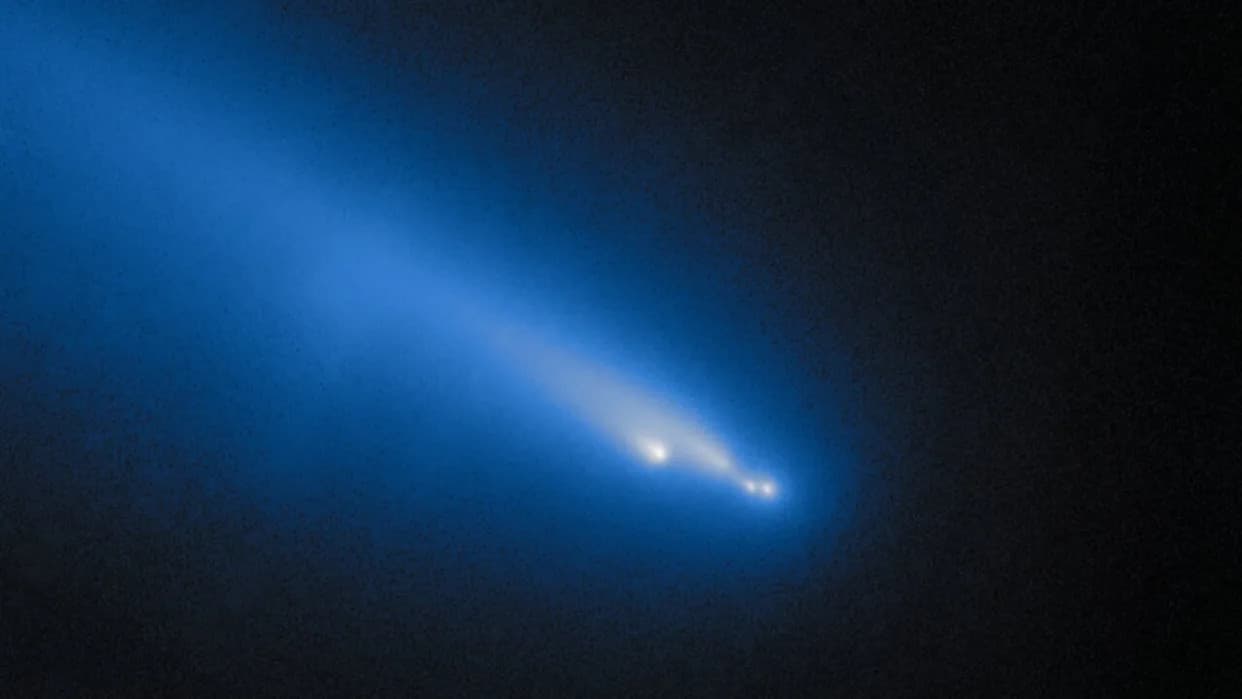
The breakup of C/2025 K1, captured in great detail from a Hawaiian observatory. (Credit: NOIRLab)
In October 2025 astronomers watched the long-period comet C/2025 K1 fragment into multiple pieces, producing a striking orange glow. Initial photos were released at modest resolution; NOIRLab has now published higher-resolution images from the Gemini North telescope on Mauna Kea that reveal the breakup with much greater clarity.
New High-Resolution Views
The Gemini North images document the comet’s fragmentation over a period of just under a month, showing several distinct chunks continuing to travel together in a loose cluster. These photos, released by NOIRLab and the International Gemini Observatory, give researchers a clearer view of the breakup process and a valuable dataset for follow-up studies.
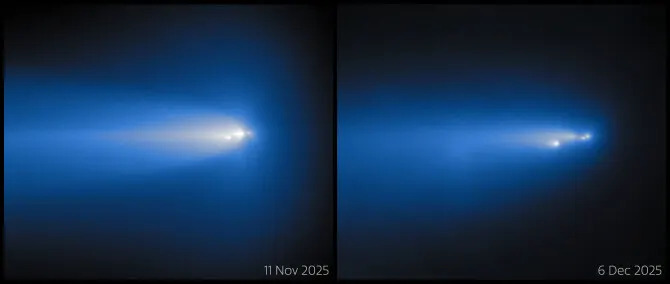
comet breaking up over time
Where the Comet Came From
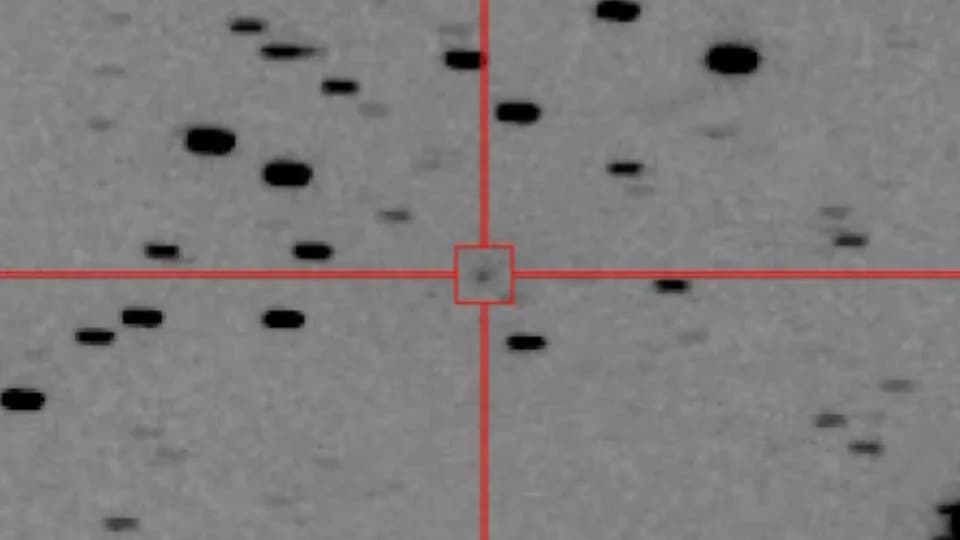
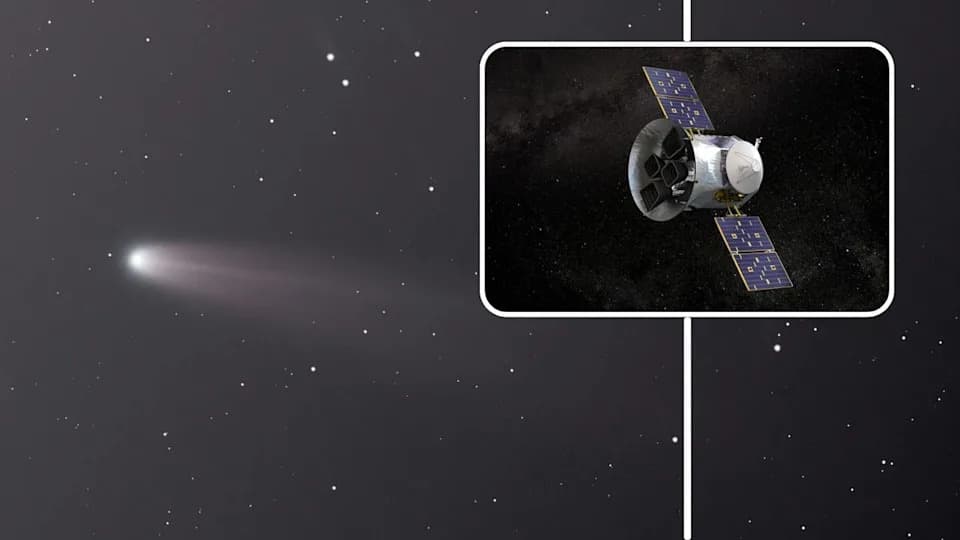
C/2025 K1 was discovered by the ATLAS survey, which detects near-Earth and distant cometary objects. The comet likely originates in the distant Oort Cloud and is classified as an irregular-period comet—meaning its returns cannot be predicted with the regularity of well-known periodic comets. Such objects are sent inward when gravitational perturbations nudge them toward the Sun.
What Caused the Breakup?
Observers attribute the fragmentation to the extreme environment near the Sun. During its recent approach C/2025 K1 passed as close as 0.334 astronomical units (about 50 million kilometers) from the Sun—slightly closer than Mercury’s average orbital distance. Comets are loosely bound aggregates of ice and dust; intense heating and bombardment by charged particles from solar activity can weaken their structure and cause pieces to separate.
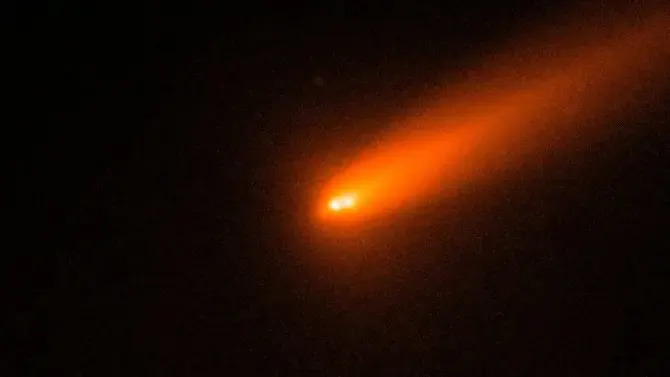
C/2025 K1 breakup 2
Why This Matters
When an irregular-period comet breaks up, it provides a rare opportunity to probe internal structure and composition. Spectroscopic and compositional follow-up work on these fragments is expected and could reveal details about the comet’s makeup and the conditions in the remote Solar System.
Credit: NOIRLab / International Gemini Observatory (images captured with Gemini North on Mauna Kea)
Help us improve.