Cyclone Ditwah devastated Sri Lanka's central tea-growing regions, killing at least 635 people and affecting more than two million residents. The storm uprooted mature tea bushes, destroyed infrastructure and left thousands of plantation workers homeless, with preliminary estimates of up to a 35% drop in tea output. Officials estimate roughly $6 billion in economic losses, compounding an already fragile economy with near-100% public debt and limited fiscal space for recovery.
‘Like Wastelands’: Cyclone Ditwah Devastates Sri Lanka’s Tea Plantations, Threatening Livelihoods and Exports

Opening a humble shop in Colombo after five days of flooding [Dilrukshi Handunnetti/Al Jazeera]
Colombo, Sri Lanka — Sundaram Muttupillai, 46, has worked on a tea estate in Thalawakelle, Nuwara Eliya, since he was 17. Last week, Cyclone Ditwah — described by residents and officials as the worst in a century to strike the island — destroyed his home and wiped out the plantation where he earned a living.
Cyclone Ditwah carved a vast trail of destruction across Sri Lanka, killing at least 635 people and affecting more than two million residents, roughly one in ten of the population. President Anura Kumara Dissanayake declared a state of emergency and designated 22 of the country’s 25 districts as disaster zones.
Central Sri Lanka, the nation’s tea- and vegetable-producing heartland, was hardest hit. Official figures put the death toll in central areas at least 471, and hillside plantations suffered widespread landslides, flooded fields and ruined settlements.
"It is all gone. We know the rolling hills to be unpredictable, and from time to time there have been mudslides and homes destroyed by rainfall. Now the roads are impassable. We do not have the essentials, nor any hope of overcoming the cyclone's impact,"
— Sundaram Muttupillai, Tea Estate Worker
Tea is one of Sri Lanka's most important exports and its second-largest source of export revenue after apparel. The country ranks among the world's top tea exporters by value and is known for value-added products such as packaged blends and tea bags that command higher prices.
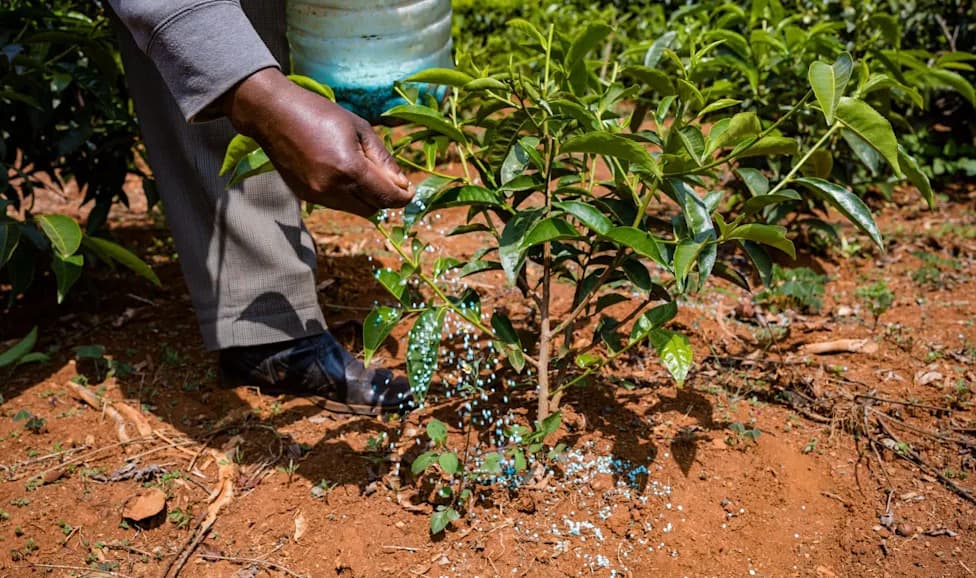
Despite recent political turmoil and deep economic strain, Sri Lanka's tea industry generated about $1.3 billion in annual revenue in recent years, with projections before the cyclone forecasting roughly $1.5 billion by year-end. The cyclone's floods and landslides have uprooted mature tea bushes, destroyed roads and railway lines, disrupted supply chains and impeded delivery of essential inputs such as fertilisers.
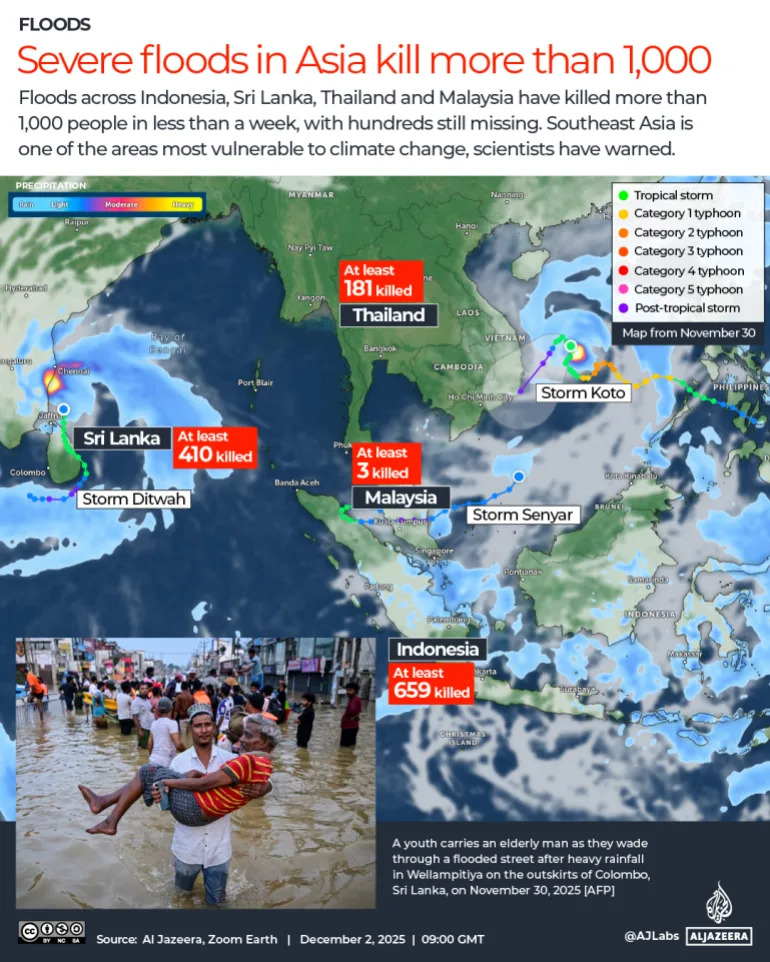
[Al Jazeera]
"Nothing we ever faced could have prepared us for what we endured last week. It has killed our hopes of being able to continue living and working in the plantations. Our homes and livelihoods are gone,"
— Sundaram Muttupillai
Workers such as Senthilnathan Palansamy, 34, who fled to a government shelter in Badulla with his wife Sharmila and two children, say entire hamlets were buried and they now face the prospect of abandoning plantation life for other work.
Officials estimate the total economic losses from the cyclone at around $6 billion, roughly 3.5 percent of GDP. Preliminary industry estimates suggest tea output could decline by as much as 35 percent in the near term, a blow that would hit plantation communities and reduce foreign exchange earnings.
Sri Lanka agreed a $2.9 billion bailout programme with the International Monetary Fund (IMF) in 2023 after a severe economic crisis; the IMF is considering a government request for an additional $200 million to supplement a $347 million tranche due this month for post-cyclone relief. Public debt stands near $100 billion, about 99.5 percent of GDP, leaving little fiscal room for recovery spending.
Dhananath Fernando, chief executive of the Advocata Institute, warned the economic damage may rival the scale of the 2004 tsunami in terms of disruption. He and other analysts caution that the cyclone will depress both exports and local consumption, likely raising consumer prices and prolonging recovery.
Industry groups and think tanks say rebuilding tea production will require substantial time and resources, and that policymakers should factor climate-driven extreme weather into future planning and revenue targets. Many plantation workers say they are grateful to be alive but fear their communities may never fully recover.
"The tea plantations are now like wastelands. The crops are devastated, homes destroyed, and we have lost so many people. I don’t know whether we would ever recover,"
— Sharmila, Plantation Worker
Help us improve.