Diwali has been inscribed on UNESCO's intangible cultural heritage list during the agency's meeting in New Delhi, a move intended to raise awareness and help protect the festival's traditions. Prime Minister Narendra Modi praised the recognition, calling Diwali "the soul of our civilisation." Delhi will mark the listing with special illuminations and a mass lamp-lighting ceremony. The five-day festival, observed by Hindus, Sikhs and Jains, celebrates the triumph of good over evil and is widely observed by the Indian diaspora.
Diwali Inscribed On UNESCO Intangible Cultural Heritage List — Celebrations Light Up New Delhi

People watch fireworks light up the sky as part of Diwali celebrations in Mumbai in October (Punit PARANJPE)(Punit PARANJPE/AFP/AFP)
India's festival of lights, Diwali, was inscribed on UNESCO's list of intangible cultural heritage on Wednesday, prompting celebrations across the country as the UN cultural agency met in New Delhi.
The UNESCO committee, meeting in the Indian capital from Tuesday to Thursday, reviewed dozens of nominations submitted by representatives of as many as 78 countries. The inscriptions aim to raise awareness of diverse traditions and support measures to protect them for future generations.
Official Reactions And Celebrations
Indian Prime Minister Narendra Modi welcomed the decision, saying the festival is "very closely linked to our culture and ethos." He added that Diwali "is the soul of our civilisation. It personifies illumination and righteousness," and said the recognition would further boost the festival's global profile.
"It is the soul of our civilisation. It personifies illumination and righteousness," Mr. Modi wrote on social media.
The Delhi government has announced a series of events to mark the listing, including special illumination of public buildings, decorative lighting along major roads and a large lamp-lighting ceremony in the city.
What Diwali Means
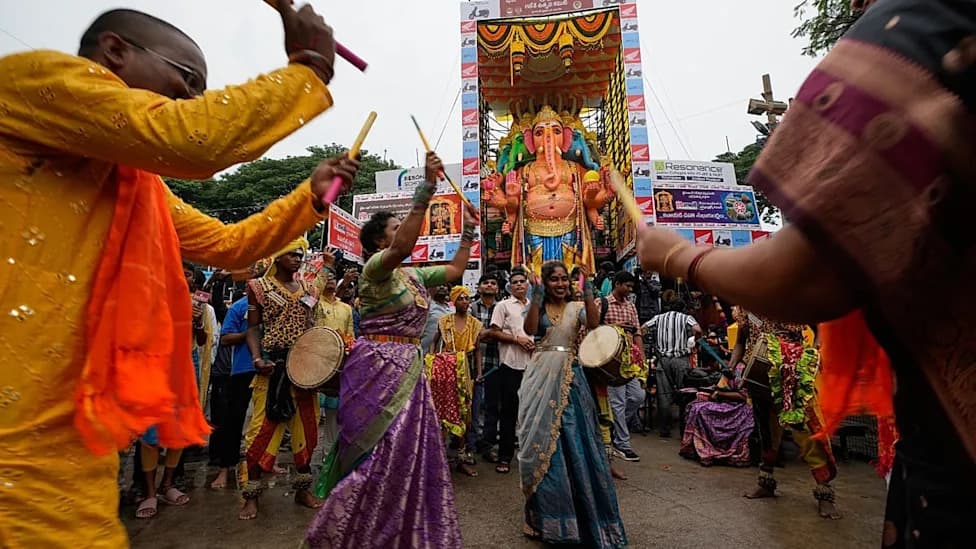
Diwali, also known as Deepavali, is one of Hinduism's most significant festivals and is celebrated by millions in India and by diasporas around the world. Many people, including followers of Sikhism and Jainism, observe Diwali as a five-day festival symbolising the triumph of good over evil.
Celebrations fall on the new-moon day in late October or November and typically include lighting oil lamps (diyas), decorating homes, bursting firecrackers and sharing festive meals. In much of North India, Diwali commemorates Lord Rama's return to Ayodhya after his victory over the demon king Ravana, while the festival is also closely associated with the worship of Lakshmi, the goddess of wealth and prosperity.
India's foreign ministry described the inscription as "a joyous moment" for the country, highlighting the cultural and social importance of the festival both domestically and internationally.
With the UNESCO listing, organisers and cultural bodies hope to strengthen preservation efforts and promote wider appreciation of Diwali's traditions across generations and borders.
Help us improve.