The Basant kite festival returned to Lahore for a three-day celebration after a 19-year ban, drawing thousands and reviving local kite-making businesses. Authorities permitted the event under tightened safety measures, including QR-code monitoring of kite sales, confiscation of glass-coated strings (manjha), police deployment and hospitals on alert. Some official events were cancelled after a suicide blast in Islamabad killed 31 people. Vendors reported brisk sales and motorcyclists fitted protective rods as caution blended with celebration.
Colour and Caution: Basant Kite Festival Returns to Lahore After 19-Year Ban
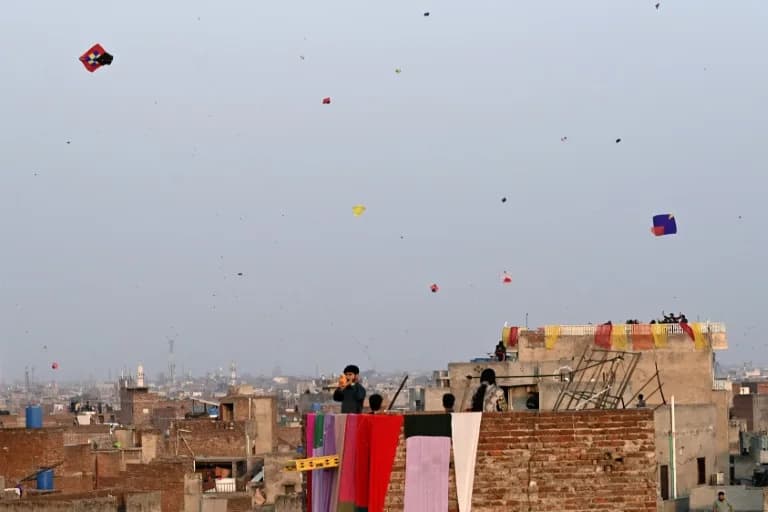
Families and groups of friends gathered on rooftops and in parks and streets for the three-day kite-flying festival in Lahore (Arif ALI)(Arif ALI/AFP/AFP)
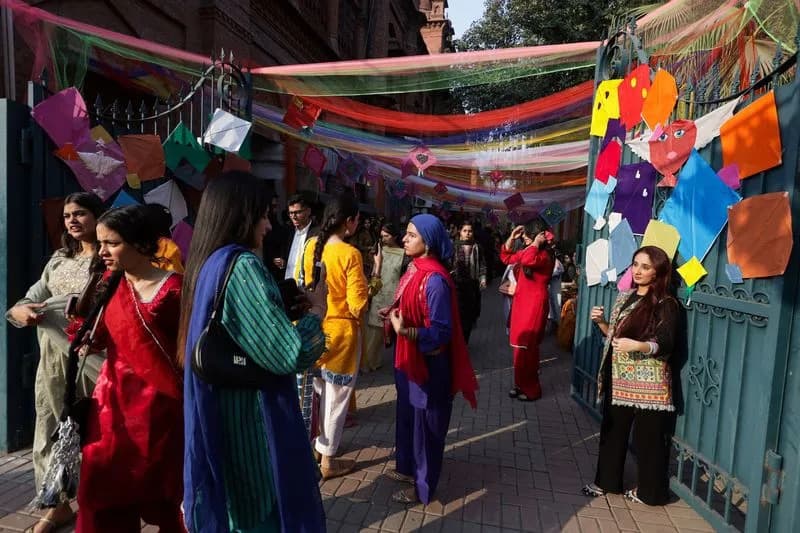
Brightly coloured kites once again filled the skies above Lahore over the weekend as the long-banned Basant festival made a cautious comeback after a 19-year prohibition prompted by safety concerns.
Return of a Beloved Tradition
Families and groups of friends gathered on rooftops, in parks and along busy streets to take part in the three-day celebration in Punjab province. Known locally as "Basant"—the Urdu word for spring—the festival drew thousands of residents and visitors from across Pakistan eager to revive a cultural tradition that had been suppressed since 2007.
"Everyone is excited — all of Punjab, all of Pakistan. It has become hard to find kites and strings because they sold out," said Shahzaib, a kite flyer, as drums sounded in the background.
Safety Measures and Controls
Punjab authorities authorised a limited, three-day revival of Basant with stricter safety measures after decades of concern over injuries and fatalities. The ban had been introduced following a series of deadly incidents involving glass-powder-coated kite strings — commonly called manjha — and celebratory aerial gunfire that caused serious injuries to pedestrians and motorcyclists.
Officials deployed police across Lahore, placed hospitals on alert, and monitored kite sales more closely than in the past. Authorities used QR codes to track purchases, confiscated banned materials including glass-coated strings, and arrested or fined vendors who violated restrictions.
Impact On Local Business And Culture
Vendors and craftsmen welcomed the return. "People had lost businesses when the ban happened. After the ban lifted I sold 20,000 to 25,000 kites," said Tariq, a kite maker. Workshops that had lain dormant for years reopened to meet rising demand, and makers urged residents to continue supporting the trade.
"Buying and flying kites should not be a one-time thing," said Chand Ustad, 51, a string maker. "Keep buying them, keep flying them, this helps our business as well."
Precautions Amid Tense Security Climate
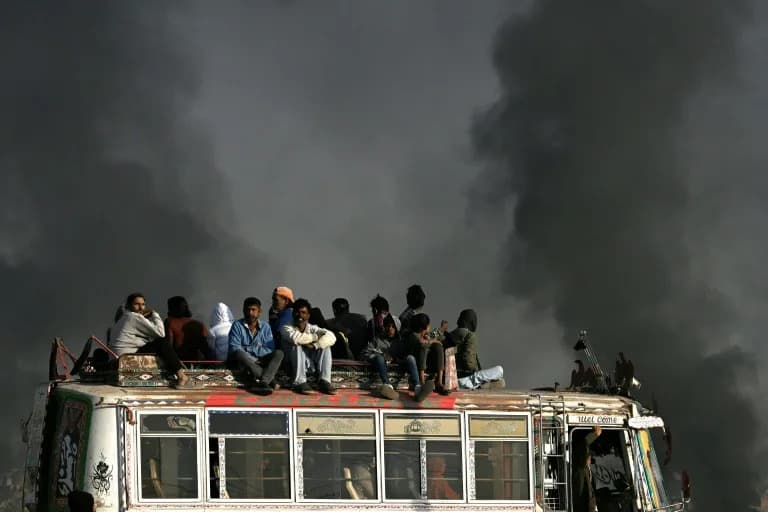
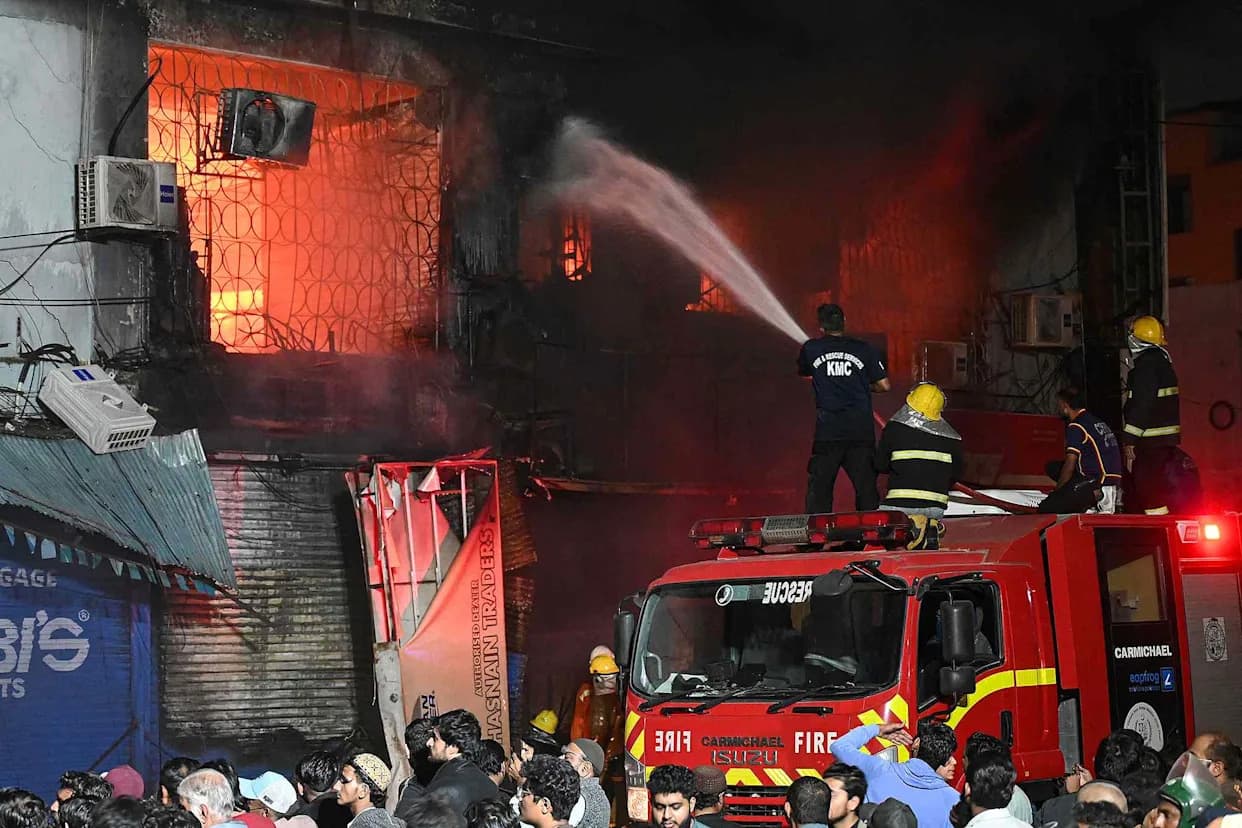
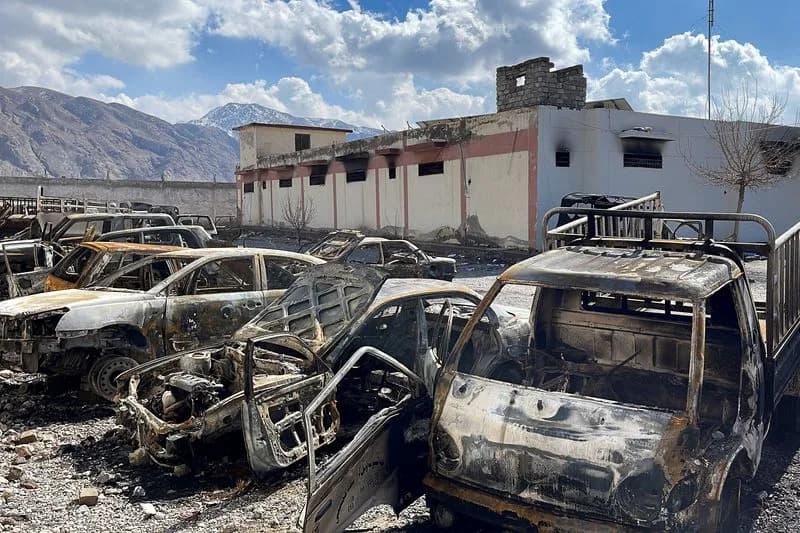
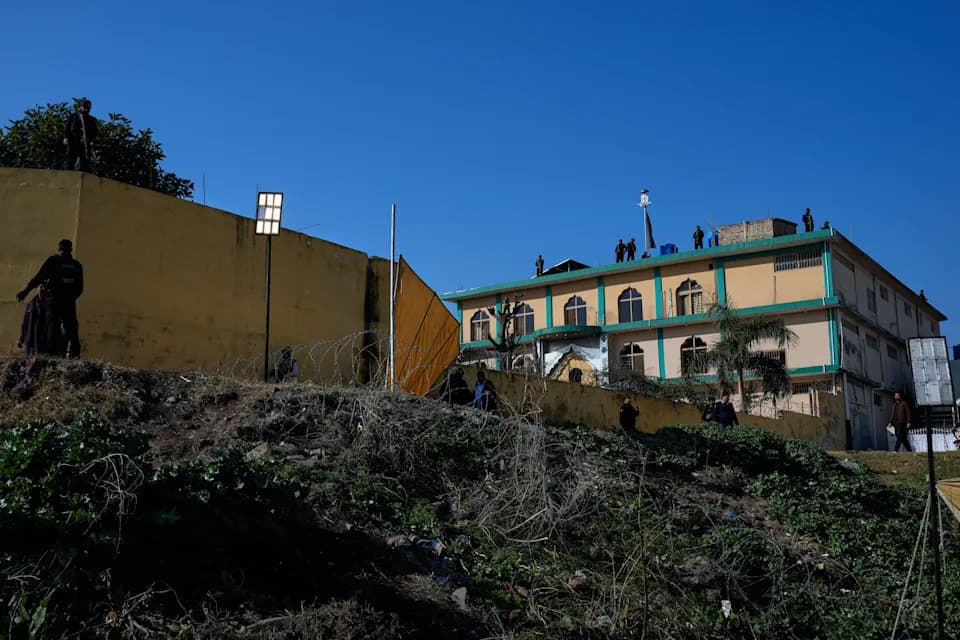
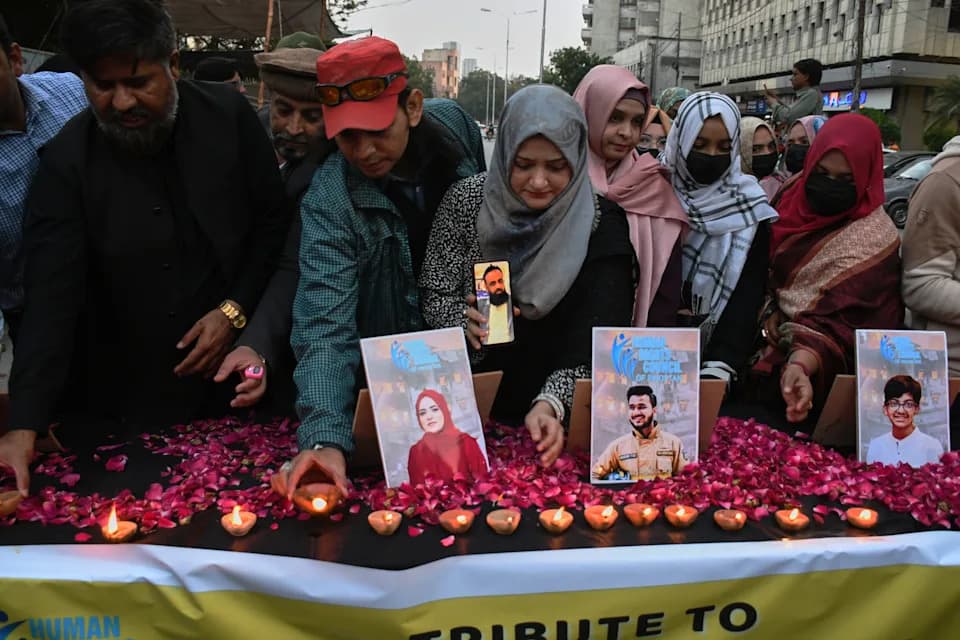
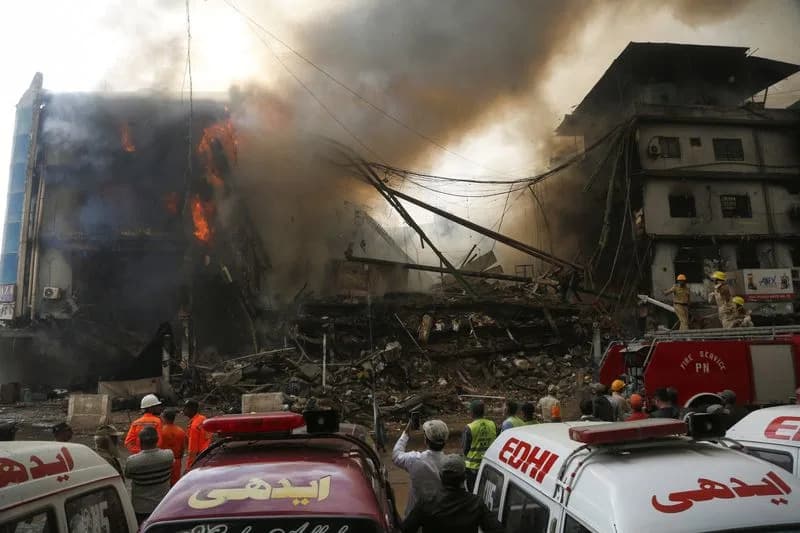
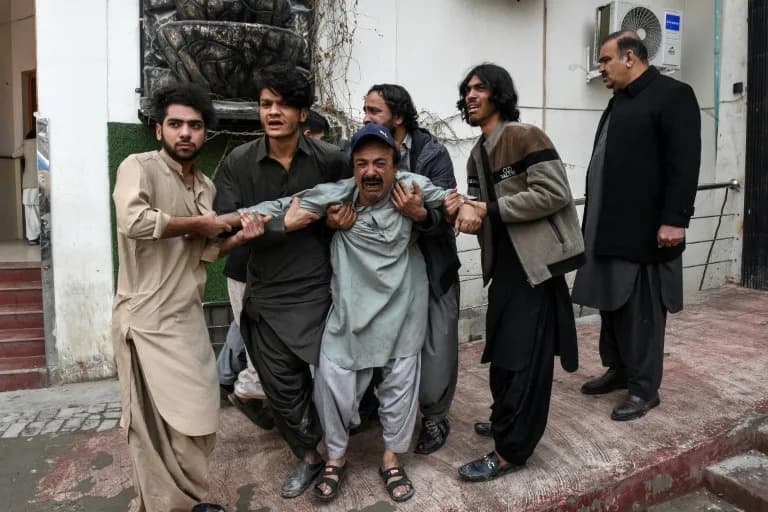
Some scheduled official events were cancelled after a suicide blast at a mosque in Islamabad on Friday killed 31 people, prompting extra caution across the country. Police stepped up security in Lahore and nearby areas to reduce risks during the festivities.
Motorcyclists widely adopted protective metal rods fitted to bikes to intercept kite strings before they could sever or seriously injure riders — a visible sign of how caution and celebration mixed during the return of Basant.
Kite Fighting And Community Spirit
Kite fighting remained the festival's main attraction, with participants attempting to cut opponents' lines amid cheers from neighbouring rooftops. Rights groups and cultural activists continued to argue that poor enforcement, rather than the festival itself, had been the principal cause of past tragedies, and many hope the new controls will allow Basant to continue safely.
Help us improve.