The Basant kite festival returned to Lahore after an 18-year ban, with rooftops crowded by families flying colourful kites and shouting the traditional cry "bo-kata!". Authorities have banned metallic and chemically coated "killer" strings, require QR codes on kites and safety rods for motorcyclists, and registered some 4,600 producers. Officials estimate kite-related sales topped 3 billion rupees ($10 million). Celebrations were tempered after an Islamabad suicide bombing that killed at least 31 people and prompted the cancellation of a Lahore concert.
Basant Returns to Lahore: Rooftops Alive With Kites, Celebration and New Safety Rules After 18-Year Ban
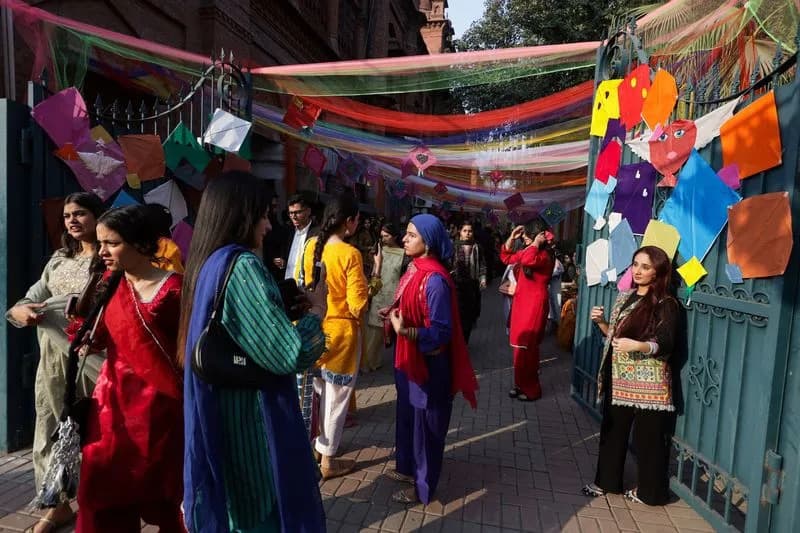
People take selfies with kites on display, to mark Basant, a kite-flying festival, in Lahore, Pakistan February 6, 2026. REUTERS/Mohsin Raza
Extravagantly coloured kites filled Lahore skies and victory cries echoed from rooftops on Friday as the city celebrated the end of an 18-year prohibition on the three-day Punjabi Basant kite-flying festival.
The festival, which marks the arrival of spring, was banned in 2008 after stray kite strings — sometimes coated with metal or other abrasives to gain an edge in aerial duels — caused deaths and serious injuries to motorcyclists and pedestrians. The prohibition was lifted last year amid sustained public demand.
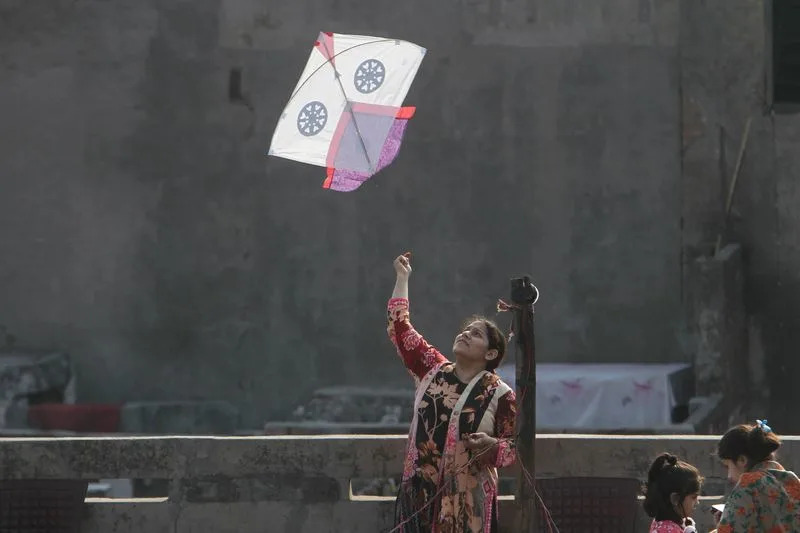
A woman flies a kite from a rooftop to mark Basant, a kite-flying festival, in Lahore, Pakistan February 6, 2026. REUTERS/Mohsin Raza
Punjab Information Minister Azma Bukhari launched this year’s festivities at midnight by flying the first kite. Families and friends packed rooftops across the Walled City and other neighbourhoods through the night, flying kites, beating drums and calling out "bo-kata!" — the traditional victory cry when an opponent’s string is severed.
"When I sent up the first kite tonight, it felt like a part of my life had been restored," said Abdul Aziz, 57, who described himself as a kite-flying addict. Sharmeen Mehmood, 55, who has flown kites since childhood, said the height of excitement came after dark and that activity eased at dawn as revelers rested and the wind dropped.
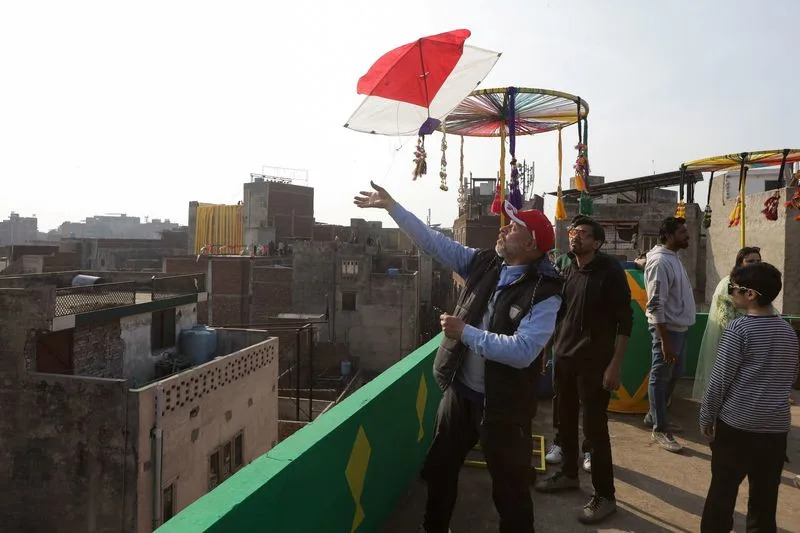
A man flies a kite from a rooftop to mark Basant, a kite-flying festival, in Lahore, Pakistan February 6, 2026. REUTERS/Mohsin Raza
New Safety Rules
To reduce the risks that prompted the ban, authorities have outlawed metallic and chemically coated "killer" strings. Kites and strings must now carry individual QR codes for traceability, and motorcyclists are required to fit safety rods to their bikes to help fend off stray thread.
Some 4,600 producers registered with officials to sell kites and strings this season. District government spokesperson Haris Ali said rooftops hosting 30 or more revelers must be registered; dozens of roofs were declared off-limits after safety inspections.
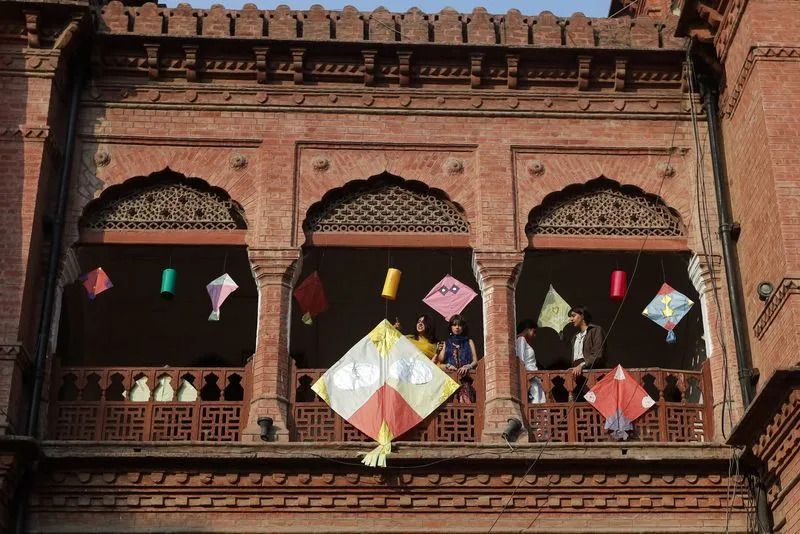
People stand with kites on display to mark Basant, a kite-flying festival, in Lahore, Pakistan February 6, 2026. REUTERS/Mohsin Raza
Economic Impact
The festival has provided a visible economic boost: hotels reported near-capacity bookings and families marked the return with large communal meals. "By our estimates, the buy-and-sell market for kites and strings has exceeded 3 billion rupees ($10 million) up to Thursday night," Haris Ali said.
Mian Tariq Javed, president of the Punjab Poultry Association, said poultry demand rivalled that seen during the major Muslim holiday of Eidul Fitr. At Mochi Gate — Pakistan’s largest market for kites and strings — vendors reported depleted stocks, with one seller, Zubair Ahmed, saying he sold out within two days.
"People come with cash and ask for strings at any price. I wish I had more — but I don't," Zubair said.
Security Shadow
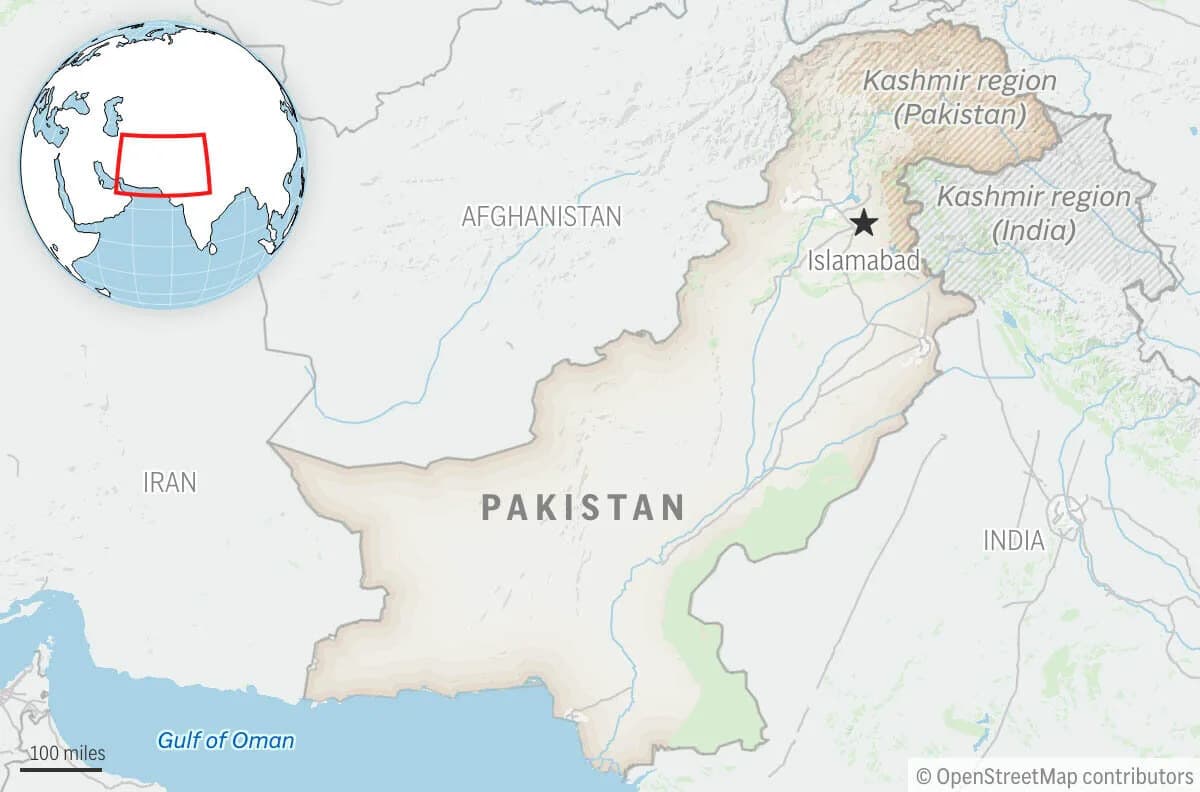
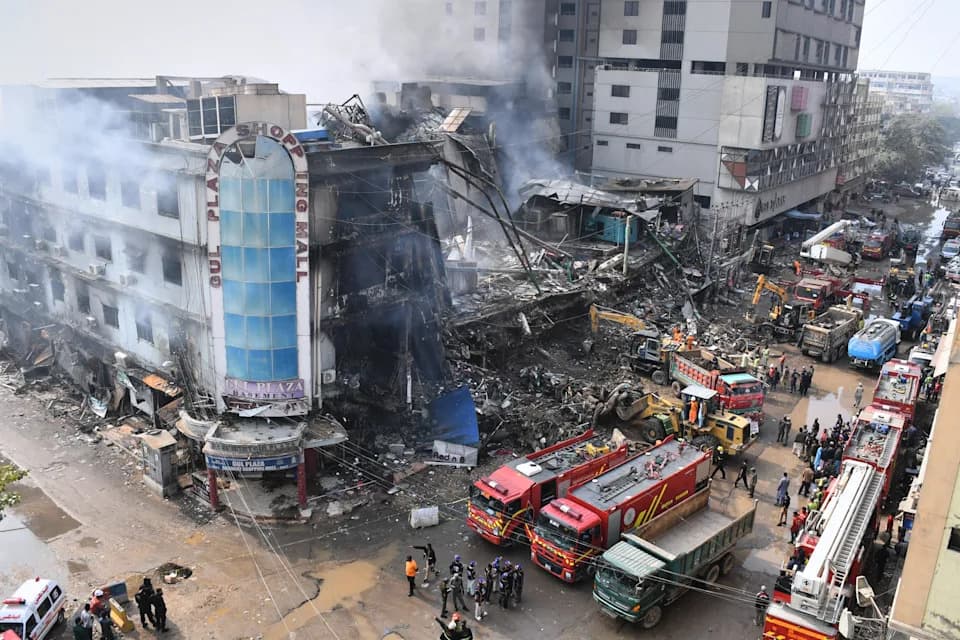
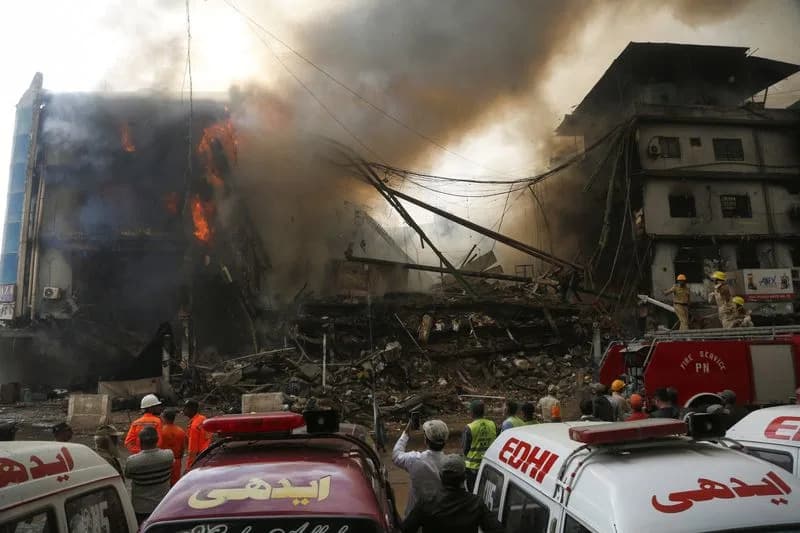
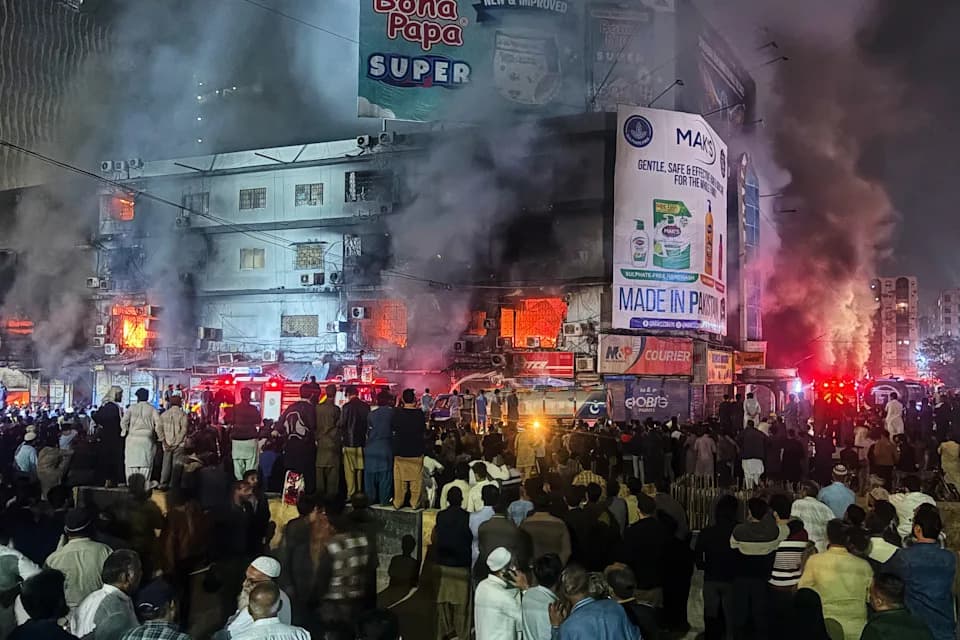
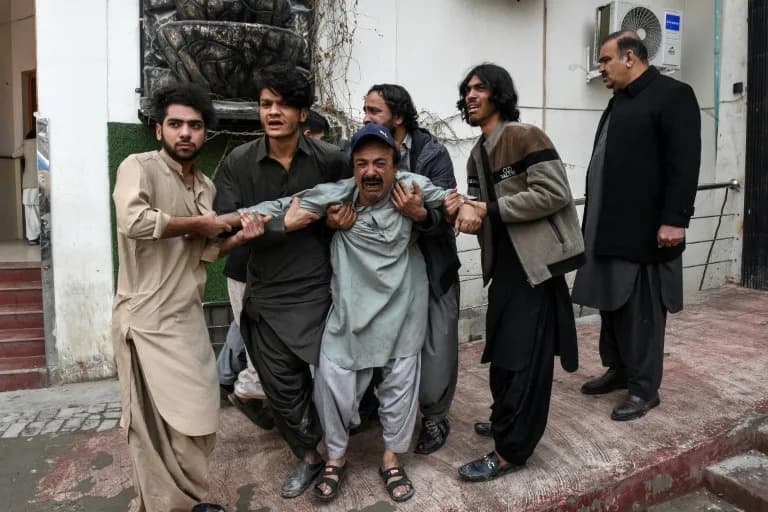
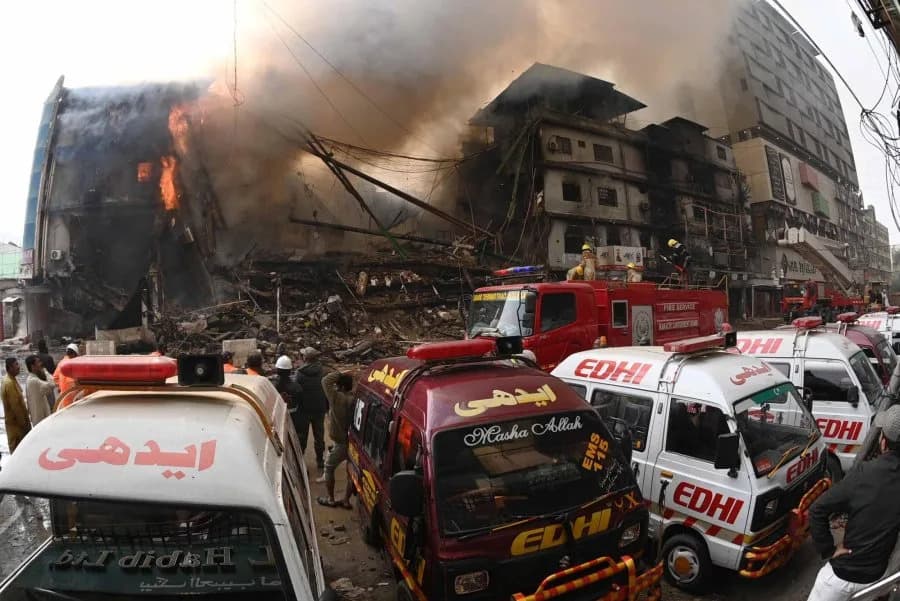
The festivities were partly overshadowed by a suicide bombing in Islamabad on Friday that killed at least 31 people. Punjab Chief Minister Maryam Nawaz announced on X that a concert scheduled for Liberty Square in Lahore on Saturday as part of the Basant programme had been cancelled because of the attack.
Authorities said they would continue to enforce the new safety measures while allowing the festival to proceed, balancing cultural revival with public safety concerns.
Help us improve.