The United Nations Environment Programme’s Seventh Global Environment Outlook urges a decisive global policy shift to avoid catastrophic environmental and economic impacts. Compiled by 287 scientists across 82 countries, the report says roughly $8 trillion a year is needed to reach climate neutrality by 2050 and restore biodiversity. It highlights current costs — about $143 billion annually from extreme weather and $8.1 trillion in 2019 air-pollution health damages — and warns temperatures could rise above 2°C without action. Transitioning to sustainable, low‑carbon systems could yield up to $20 trillion per year by 2070.
UNEP Warns: $8 Trillion a Year Needed to Avoid Climate, Biodiversity and Economic Collapse

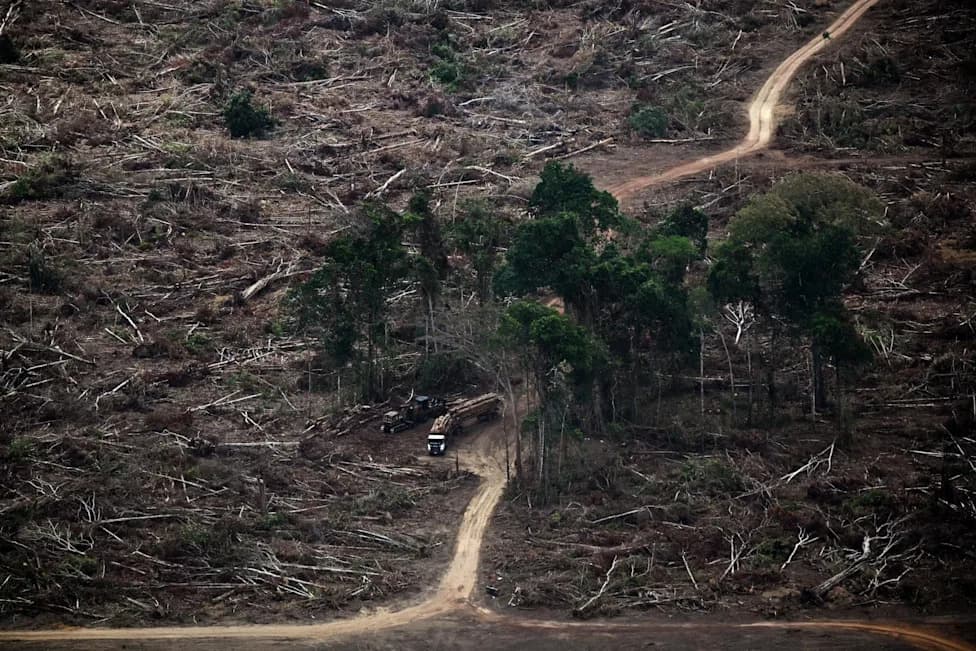
The United Nations Environment Programme (UNEP) has issued a forceful call for a worldwide change of course in environmental and climate policy following the release of its Seventh Global Environment Outlook in Nairobi.
"Humanity faces a simple choice," said Executive Director Inger Andersen at the report presentation. "We can continue toward a future ravaged by climate change, dwindling nature, degraded land and polluted air, or change course to ensure a healthy planet, healthy people and healthy economies."
The assessment was produced by 287 scientists spanning multiple disciplines across 82 countries and is described by UNEP as the most comprehensive global environmental appraisal to date.
Key Findings
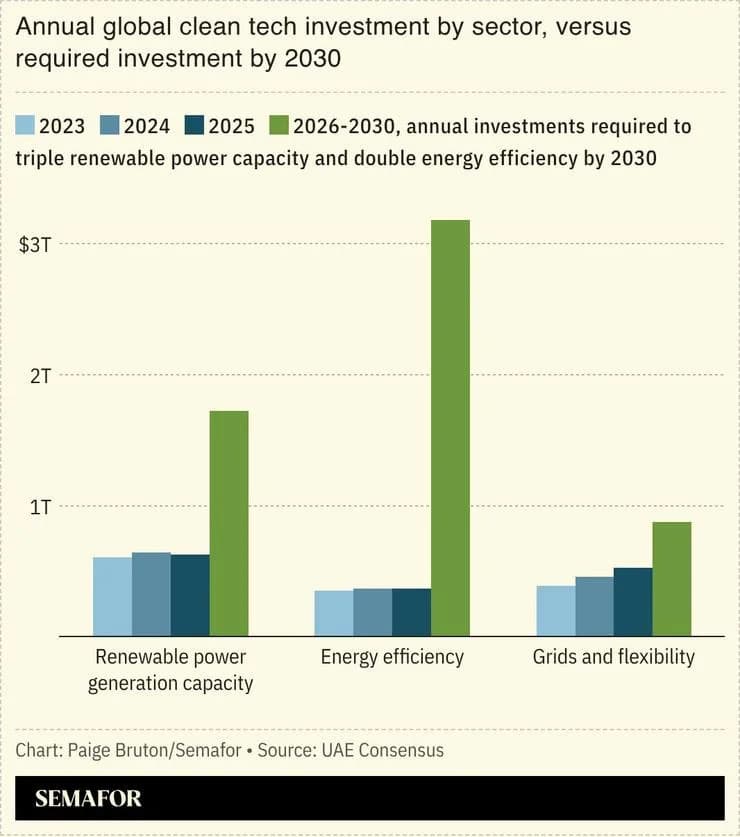
UNEP warns that achieving climate neutrality by 2050 and securing sufficient funding for biodiversity conservation and restoration will require roughly $8 trillion in annual investment. Andersen stressed that the cost of failing to act would be substantially higher.
The report estimates that the economic toll from extreme weather events attributed to climate change over the past 20 years averages about $143 billion per year. Separately, health damages from air pollution in 2019 imposed an estimated economic cost of about $8.1 trillion — roughly 6.1% of global GDP that year.
Without aggressive countermeasures, global temperatures are projected to rise by more than 2°C. Under such warming, scientists estimate global annual GDP could fall by about 4% by 2050 and by as much as 20% by the end of the century.
Economic Opportunity From a Green Transition
The report also finds that shifting the world economy toward sustainable agriculture and low‑carbon systems would produce macroeconomic benefits beginning after 2050, potentially rising to $20 trillion per year by 2070. UNEP frames this as both an urgent investment challenge and an historic economic opportunity.
The Seventh Global Environment Outlook offers policymakers a data-driven roadmap: invest now to avoid far greater human, environmental and economic costs later.
Similar Articles

Study: Global Fossil-Fuel CO2 Emissions to Hit Record 38.1 Billion Tonnes in 2025 — 1.5°C Budget Exhausted in Four Years
The Global Carbon Budget warns fossil-fuel CO2 emissions will reach a record 38.1 billion tonnes in 2025, a 1.1% increase fro...

Least-Developed Nations Accuse COP30 of Foot-Dragging and Demand Major Climate Finance Boost
At COP30 in Belém, 44 least-developed nations criticised the slow pace of UN climate talks and demanded wealthy countries tri...

Global Study Warns Food Systems Now Threaten 5 of 9 Planetary Processes — Experts Urge Clear Roadmaps
A global commission, with Cornell-led modelling contributions, finds food systems now damage five of nine planetary processes...

Al Gore at COP30: 'Literally Insane' to Treat the Sky as an Open Sewer — Urges Stronger Action and Global Emissions Tracking
At COP30 in Belém, Al Gore called it "literally insane" to continue treating the atmosphere like an open sewer, noting roughl...

Climate Change Strains Asia’s Water and Power Systems — Reports Warn Of $4T Need And Rising Utility Losses
The Asian Development Bank and climate researchers warn that climate change is straining Asia's water and power systems, leav...

UN: Methane Emissions Still Rising — Near‑Term Cuts Possible if Countries Deliver on Pledges
The U.N. warns that global methane reductions have lagged, but faster action could yield quick climate benefits because metha...

What Cheap, Clean, Near‑Unlimited Energy Could Let Us Do
Abundant, low‑carbon energy could transform daily life and global systems by strengthening food and water security, scaling p...

Potsdam Revises Climate-Economy Forecast: Global Income Loss Now Estimated at 17% by 2050
The Potsdam Institute has revised a 2024 Nature paper after identifying data errors and underestimating statistical uncertain...

Environmentalists Press Merz to Commit Billions to Amazon Rainforest Fund at COP30
What’s happening: Environmental groups are urging Chancellor Friedrich Merz to specify a concrete pledge to the Tropical Fore...

Bloomberg TikTok Chart Debunks Climate Myths — 78% Of Land Hit Record Heat In The 21st Century
Bloomberg Opinion posted a TikTok using NASA data that shows 78% of land has hit record-high temperatures in the 21st century...

UN: 250 Million Displaced by Weather Disasters — Urgent Calls at COP30 in Belém, Brazil
The UNHCR’s report released as COP30 opens in Belém warns that weather-related disasters caused about 250 million internal di...

How Climate Change Is Reshaping Everyday Life — Rising Costs, Health Risks and What to Expect
Climate change — driven mainly by burning coal, oil and gas — is already reshaping everyday life. It raises food and energy c...

Brazil's COP30 'Action Agenda': $5bn Forest Fund, Methane 'Near Zero' Pledges and the Belem 4x Sustainable Fuels Push
Brazil is steering COP30 toward a voluntary "action agenda" focused on implementation rather than a new global treaty. Key an...

COP30 Opens in Belém: Paris Agreement Praised — UN Urges "Much, Much Faster" Climate Action
UN climate chief Simon Stiell told COP30 in Belém that the Paris Agreement has slowed the growth of greenhouse gases but warn...

UNEP: Methane Emissions Slow but Nations Still Far From 2030 Targets
UNEP’s new report says global methane emissions are rising more slowly, but current national plans would deliver only an 8% c...