The author, Marine veteran Jos Joseph, recalls a World War II class that reinforced the rule: executing prisoners is a war crime. He warns that recent rhetoric and operations — including strikes on drug boats and past abuses during the War on Terror — risk normalizing unlawful violence. Restraint and accountability must be enforced from the top, up to the president, to prevent abuses like Abu Ghraib. Upholding legal and moral standards is essential, even when it complicates military action.
War Is Hell — But That Never Excuses War Crimes

After leaving the Marines, I enrolled at Ohio State University and took a World War II course taught by the late Air Force combat veteran John Guilmartin. The class wrestled with the moral complexities of the conflict: whether the atomic bomb could be justified, whether appeasement might have been wiser, and whether the German military could be separated from the Holocaust.
Once we discussed the liberation of the concentration camps and the documented incidents in which some American soldiers executed captured SS guards. Guilmartin asked who thought those executions were acceptable; nearly every student raised a hand. When he asked who thought they were wrong, I — a Marine and a combat veteran — was the only one. I explained that I had been trained that executing prisoners is a war crime. He turned to the room and said, in effect, that even under the worst conditions a standard of conduct must be upheld.
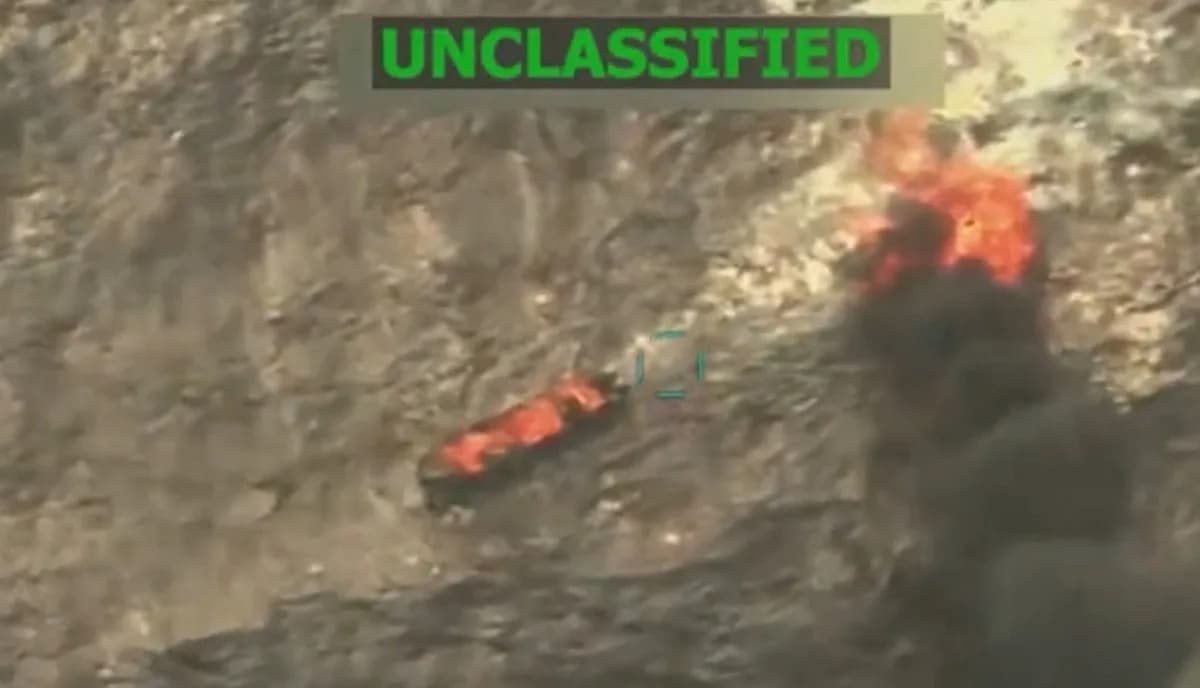
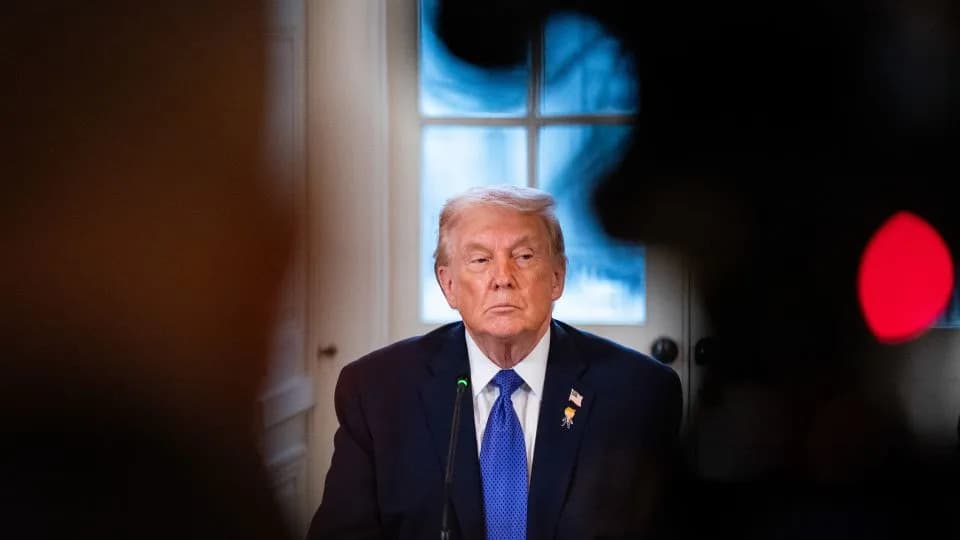
That principle is under strain today. Senior officials, including the president and the secretary of defense, have at times signaled that lethal latitude might be acceptable in certain circumstances — language that risks eroding legal and ethical limits. Recent U.S. military strikes against suspected drug traffickers in the Caribbean have exposed how deadly operations can be and how ambiguities in authority and rules of engagement can lead to tragic outcomes.
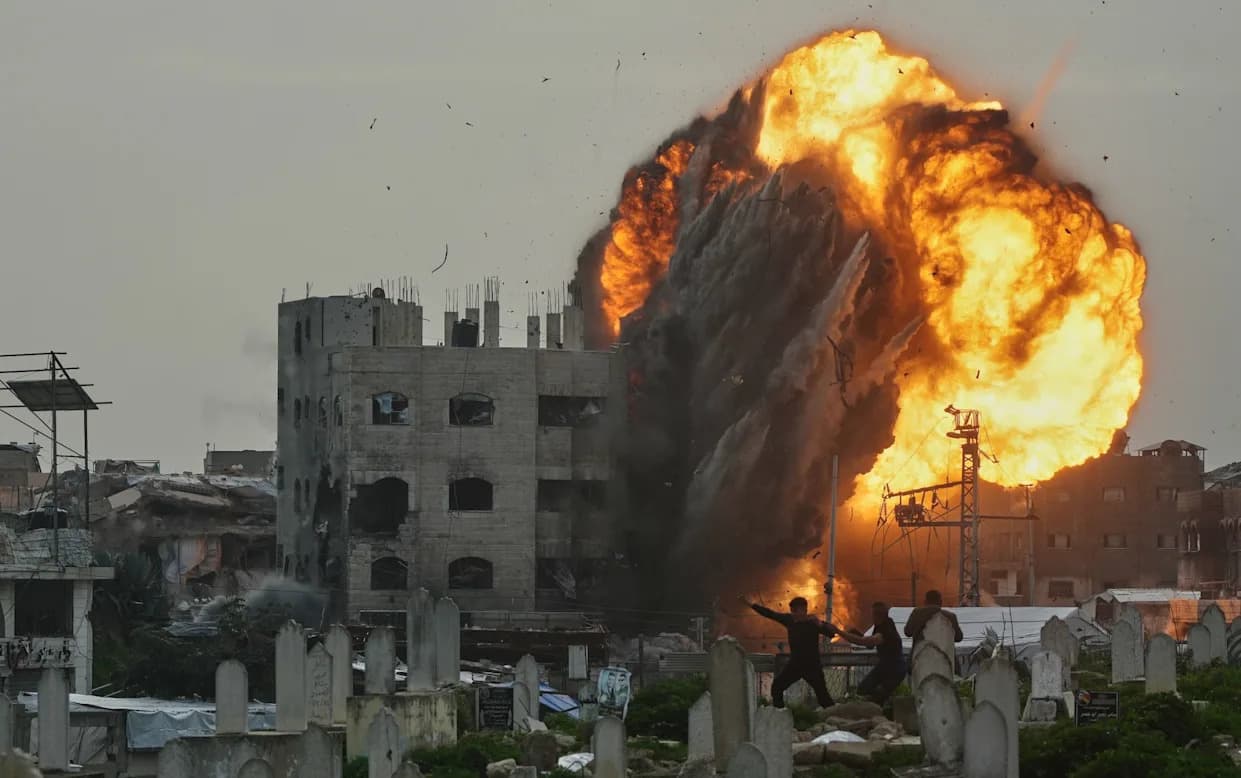
War is hell, and we ask service members to use deadly force when necessary to defend the nation. They are trained to follow lawful orders, and they generally do. But killing is not a switch you can simply flip. The trauma of watching comrades die, prolonged exposure to violence, and the pressure of combat can blunt moral judgment and make people see civilians or detainees as the enemy or even subhuman — the conditions under which abuses occur.
"Restraint must be enforced from the top."
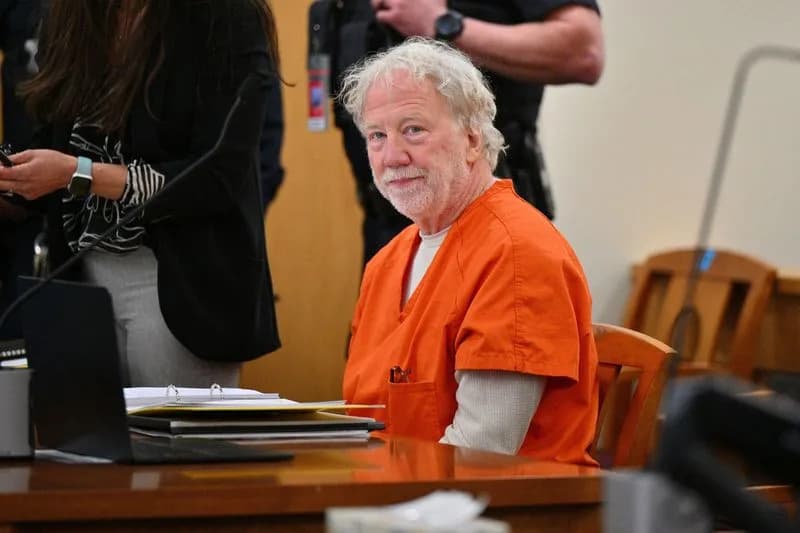
The recent strikes on drug boats are not the first time Americans have transgressed the laws of war. During the War on Terror there were documented cases of U.S. personnel killing detainees, massacring civilians, and exceeding acceptable limits in counterinsurgency efforts. The prosecution and controversy surrounding Navy SEAL Eddie Gallagher highlighted how political intervention can undercut military accountability — with a president publicly pressuring to absolve alleged wrongdoing.
The real danger is losing institutional control over those we send into harm's way. It is surprisingly easy for discipline to fray amid the stresses of fighting, and failures of command allow abuse to spread. Abu Ghraib illustrated what happens when leaders tolerate, ignore, or implicitly condone misconduct: abuse became systematic when superiors looked the other way.
I do not deny the fog of war. Civilians will tragically die, homes can be destroyed despite precision weapons, and individual soldiers or small units may act unlawfully for many reasons. But restraint must come from above. Commanders at every level must have the courage to stop abuses and the mechanisms to hold wrongdoers accountable.
That responsibility ultimately rests with the president. President Harry S. Truman agonized over the use of atomic weapons on Japan and was cautious about applying overwhelming force in Korea — judgments shaped by both strategic and moral considerations. Upholding the laws of armed conflict may complicate operations and sometimes slow decisions, but those constraints preserve our humanity and legitimacy.
Public figures who celebrate unchecked lethality undermine those constraints. Advocates who glorify violence or excuse unlawful orders erode military ethics and make it harder for commanders to enforce discipline. It is right to urge service members to refuse unlawful orders and to hold accountable those civilian or military leaders who promote or permit conduct that violates the laws of war.
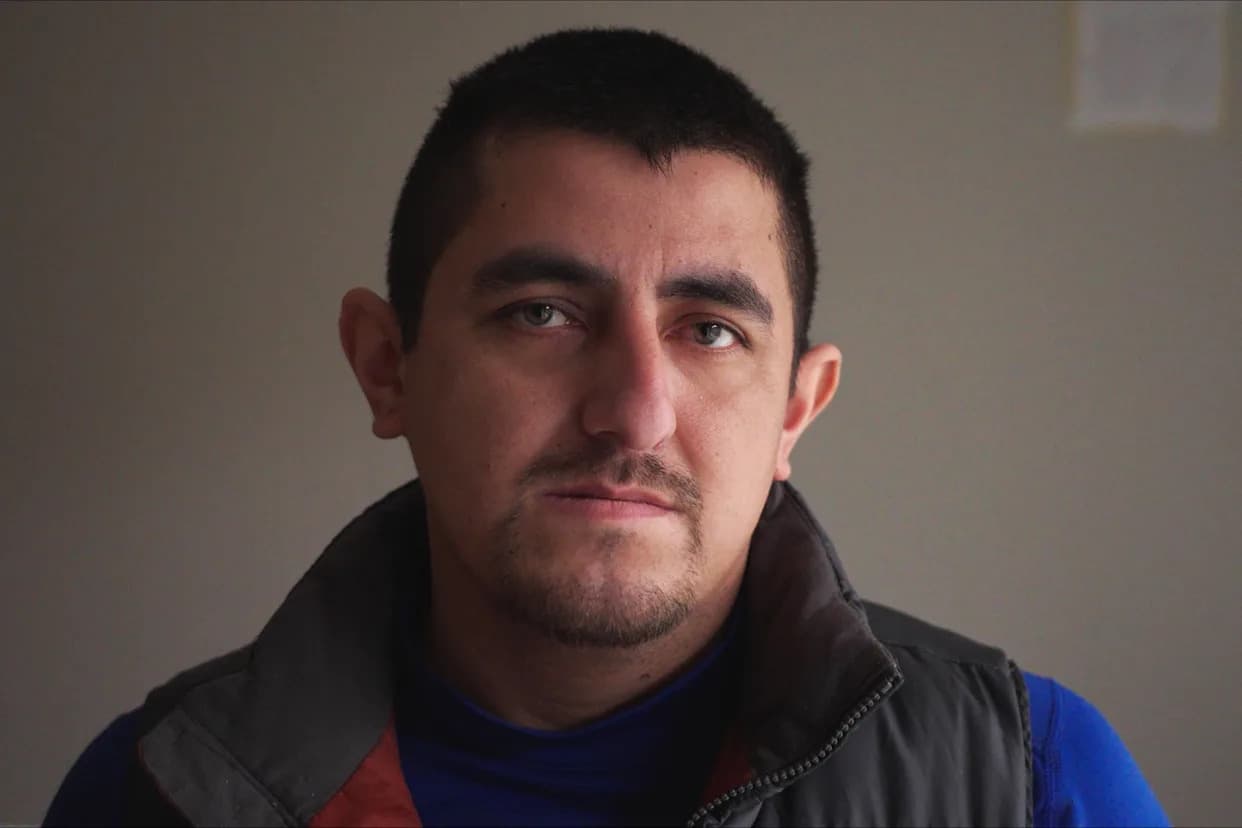
About the author: Jos Joseph is a Marine veteran who served in Iraq, a graduate of Harvard and Ohio State University, and a recipient of the Military Reporters & Editors award for Best Commentary/Opinion. He lives in Anaheim, Calif.
Help us improve.