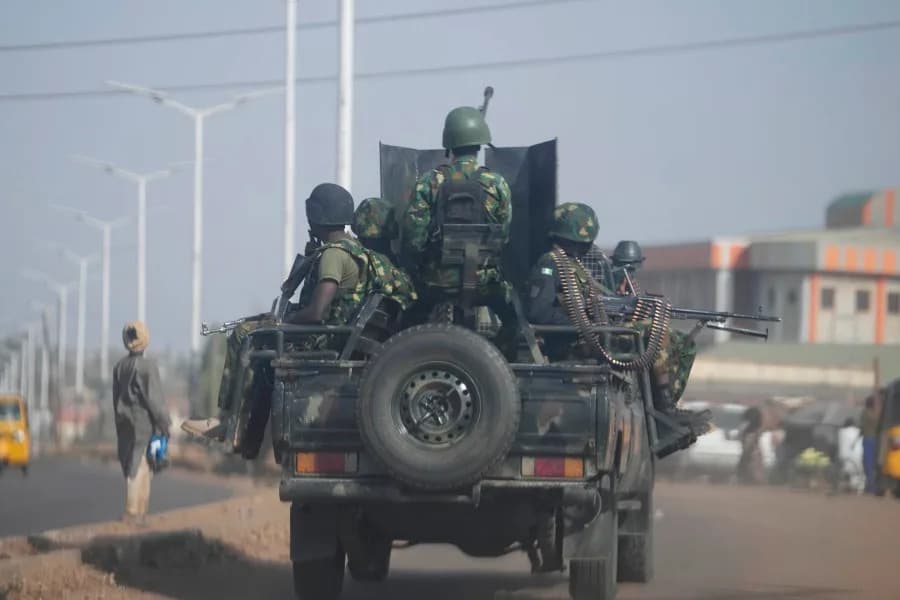
Nigeria’s surge in violence stems from overlapping drivers: Islamist insurgency, criminal banditry and escalating clashes between herders and farmers compounded by climate and demographic pressures. The U.S. labeled Nigeria a "country of particular concern," a move that risks sanctions and has provoked strong pushback from Abuja. Tens of thousands have died and roughly two million people are displaced; experts warn that simplistic explanations will not produce durable solutions.
What's Driving Nigeria's Escalating Violence? Extremists, Bandits, Herders and State Limits

Late last October, President Donald Trump designated Nigeria a "country of particular concern" (CPC) under the U.S. International Religious Freedom Act, citing "severe violations of religious freedom." The declaration — prompted by pressure from some U.S. lawmakers and religious-right advocates — highlighted an urgent, multifaceted crisis: rising killings, mass abductions and expanding displacement across large parts of the country.
Scope and Human Cost
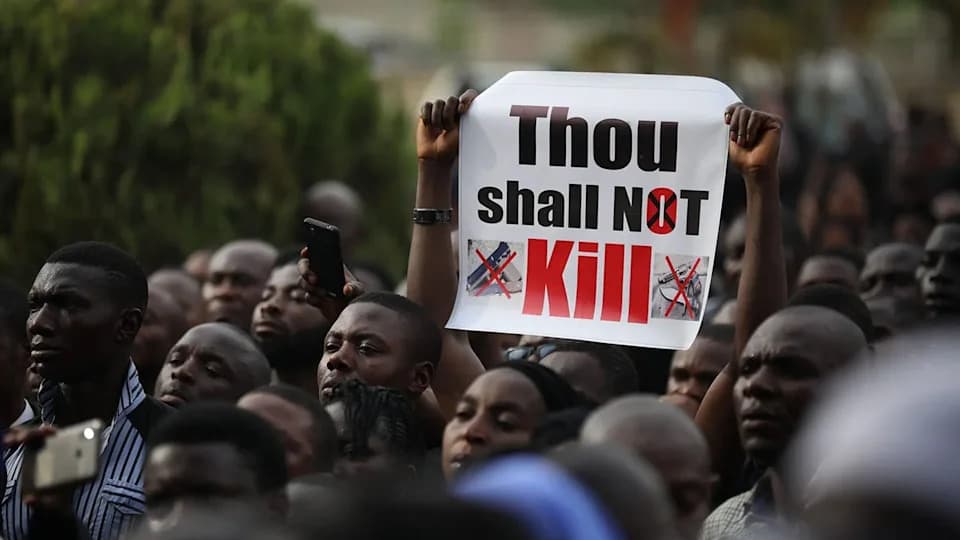
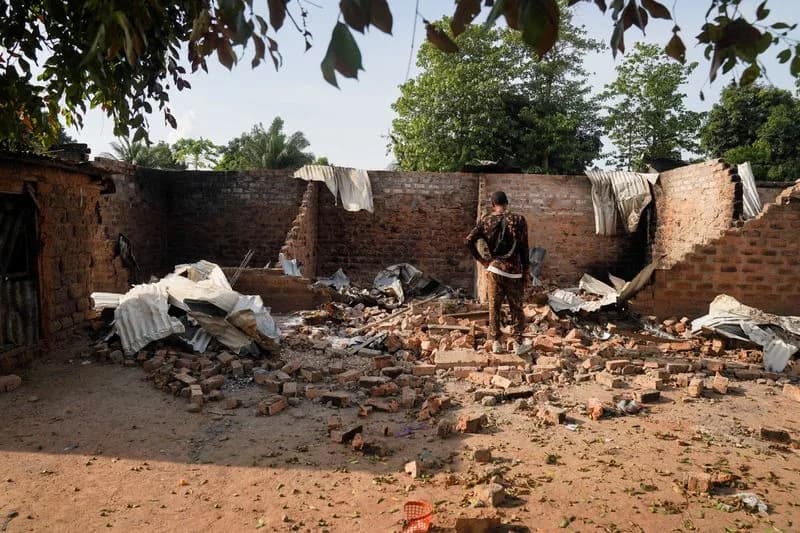
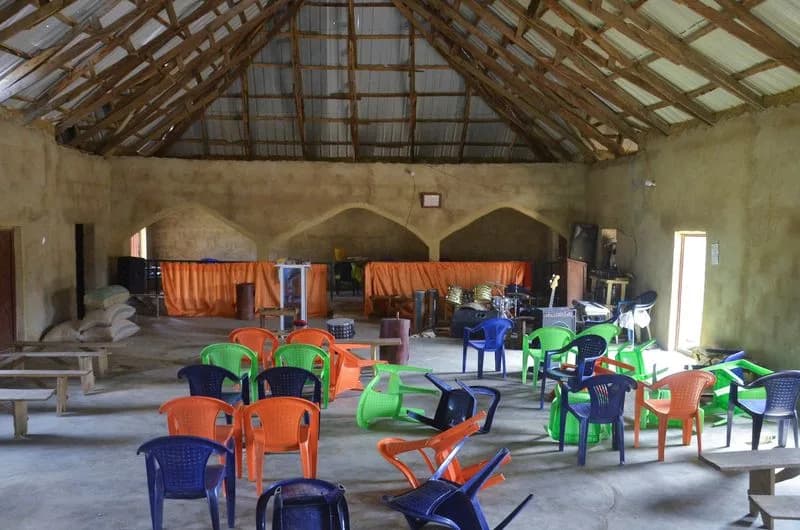
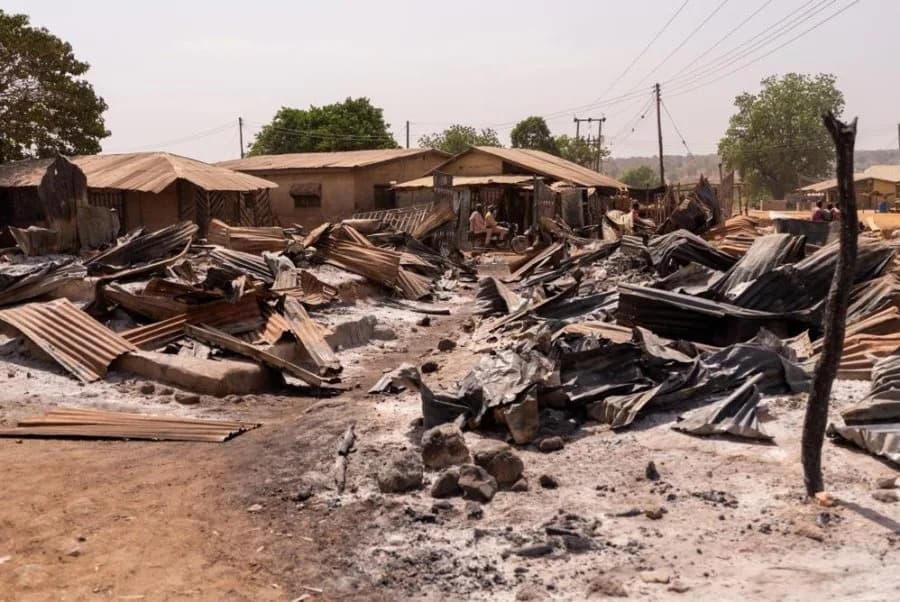
Violence in Nigeria is widespread and intensifying, affecting Muslim and Christian communities alike but with important regional differences. In the far north, Muslims have been the primary victims of Islamist insurgency. In the Middle Belt, Christian-majority farming communities and churches have frequently been targeted. Precise totals are difficult to compile because many incidents go unreported, but official and independent sources point to a grim toll: the National Human Rights Commission reported 2,266 killings in the first half of the year attributed to militant groups or armed criminal gangs; long-term estimates suggest tens of thousands of civilian deaths since 2011, and U.N. agencies put displacement at roughly two million people.
Main Drivers of Violence
1. Islamist Insurgency: Boko Haram and splinter groups such as the Islamic State in West Africa Province (ISWAP) began in the northeast and have adapted their tactics. While government operations have weakened some factions, breakaway cells and cross-border fighters from the Sahel region have expanded operations into northwestern states and parts of the Middle Belt.
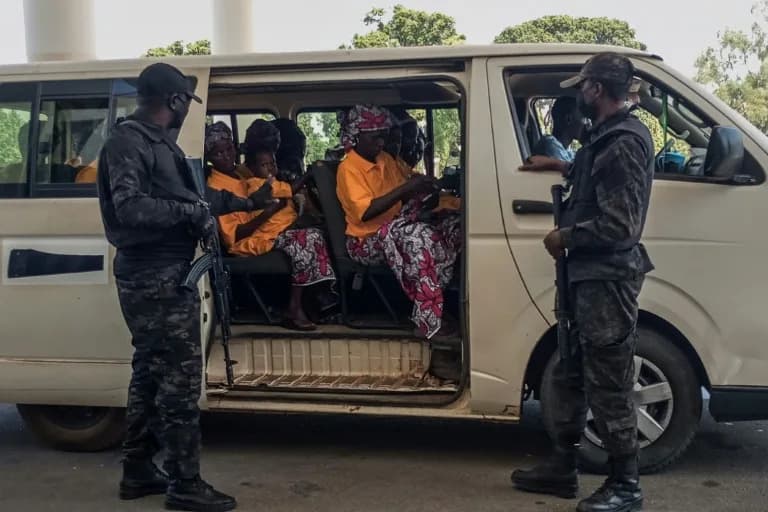
2. Criminal Bandits: Armed bandit gangs in the northwest and other regions profit from kidnappings-for-ransom, cattle rustling and highway attacks. These groups can collaborate or coexist with other militant networks, using abductions to finance activities and spread fear.
3. Herders–Farmers Conflicts: Historically peaceful coexistence between pastoralists (predominantly Fulani herders) and sedentary farmers has frayed. Long-term pressures — climate change and desertification pushing herders south, rapid population growth turning open grazing areas into farmland — have increased competition over land and water. In some areas, militants have exploited religious and ethnic differences to radicalize or arm factions, transforming resource disputes into deadly communal confrontations.
International Response and Political Fallout
The U.S. CPC designation authorizes Washington to use diplomatic pressure and potential sanctions to press Abuja on religious-freedom concerns. It also sparked a sharp reaction from the Nigerian government, which rejected claims of targeted, state-sanctioned persecution and insisted the violence is driven largely by resource conflicts and criminality. Vatican and other international figures have urged similar caution, emphasizing social and economic drivers rather than a purely religious framing.
Why Simple Narratives Fail
Two competing narratives — that Nigerian Christians face targeted persecution and that violence is primarily a herders-versus-farmers resource struggle — each capture part of the picture but miss the full complexity. Islamist groups, bandits and armed herders overlap, cooperate and provoke cycles of retaliation. Abductions, ransom payments and the destruction of villages compound long-term displacement, while porous borders and an influx of weapons from the wider Sahel and Libya have militarized local disputes.
State Capacity and Prospects for Solutions
Calls for the federal government to do more are widespread. Analysts caution that Abuja’s capacity and reach are uneven: John Campbell, a former U.S. ambassador to Nigeria, likened the federal state to an archipelago — pockets of control amid vast areas where central authority struggles to enforce order. Effective responses will therefore require a mix of security reform, stronger local conflict resolution and development measures that address land, water and livelihoods — alongside regional cooperation to stem cross-border flows of fighters and weapons.
Bottom line: The crisis cannot be solved by a single policy or one-off punitive measures. Any durable strategy must account for insurgency, criminal predation, environmental pressures and governance gaps — and it must aim to reduce incentives for violence while protecting vulnerable communities.
Help us improve.