The final group of 89 Christians abducted during mid-January church attacks in Kaduna State were released and returned home under security escort, officials said. Authorities report 183 people were initially taken during the raids in Kurmin Wali; 11 escaped and others returned earlier. Officials have not disclosed how the freed captives regained their freedom, and paying ransoms—though illegal—is suspected in similar cases. The releases come amid widespread insecurity in Nigeria, where kidnappings, jihadist violence and intercommunal clashes persist.
89 Nigerian Christians Freed After January Church Abductions; Authorities Say 183 Initially Taken
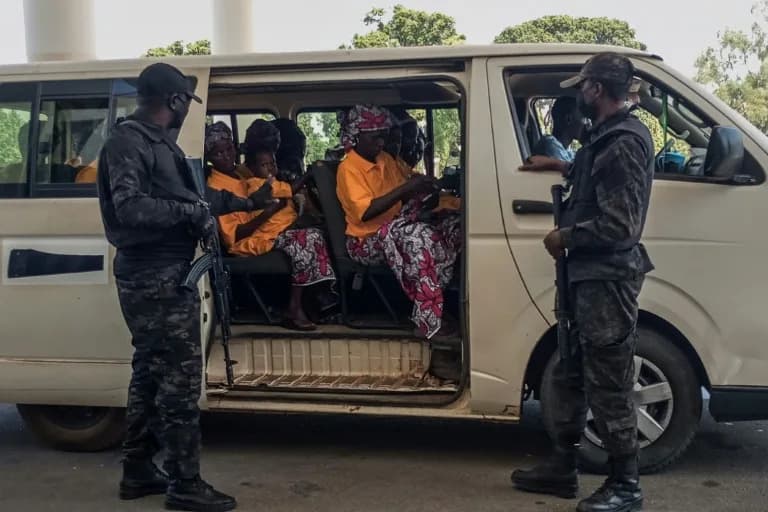
Security officers stand guard next to a bus carrying freed worshippers in northern Nigeria (-)(-/AFP/AFP)
The final group of 89 Christians who had been held since armed gangs attacked three churches in Kaduna State in mid-January were released on Thursday and brought home under security escort, officials said.
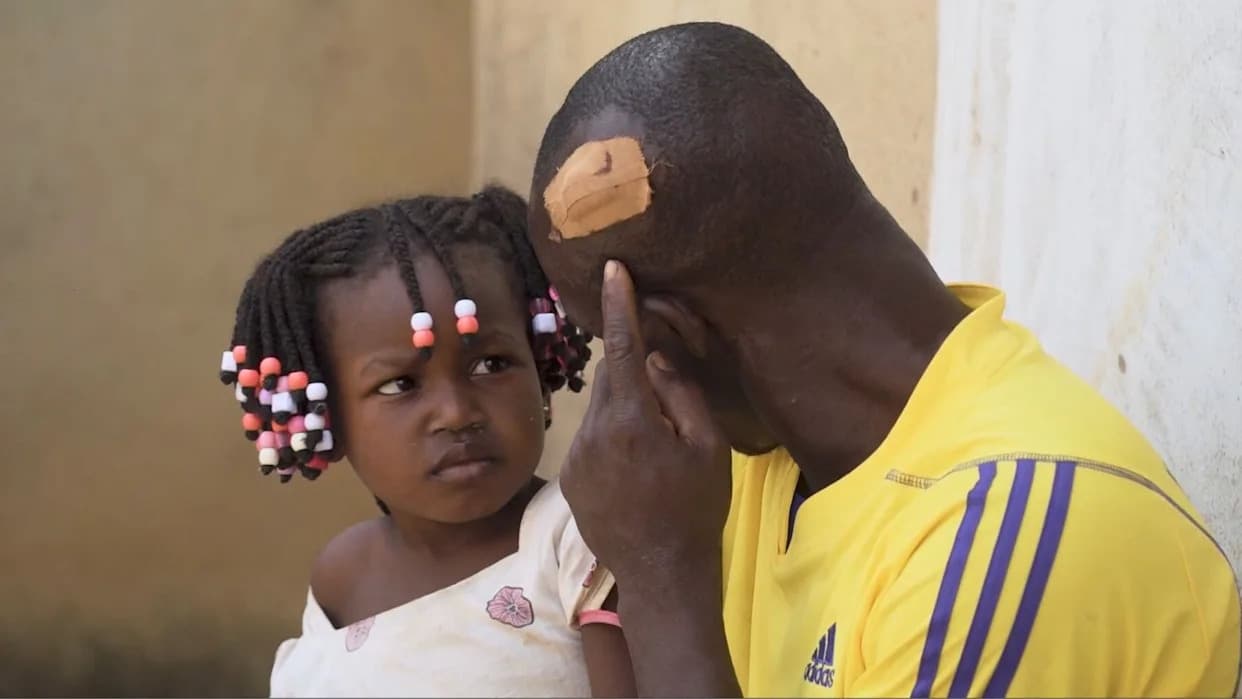
Dressed in yellow and including children, the freed worshippers arrived by bus under the protection of security forces and were met by Kaduna State Governor Uba Sani. Authorities say 183 people were initially abducted during the assaults.
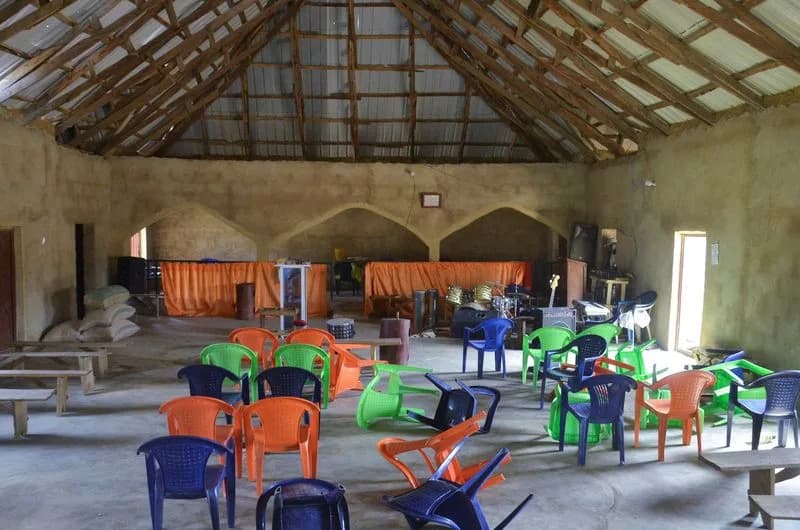
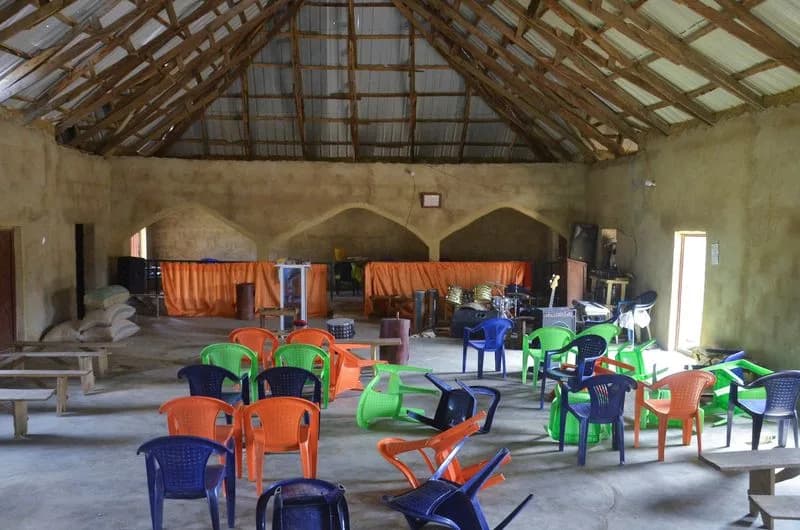
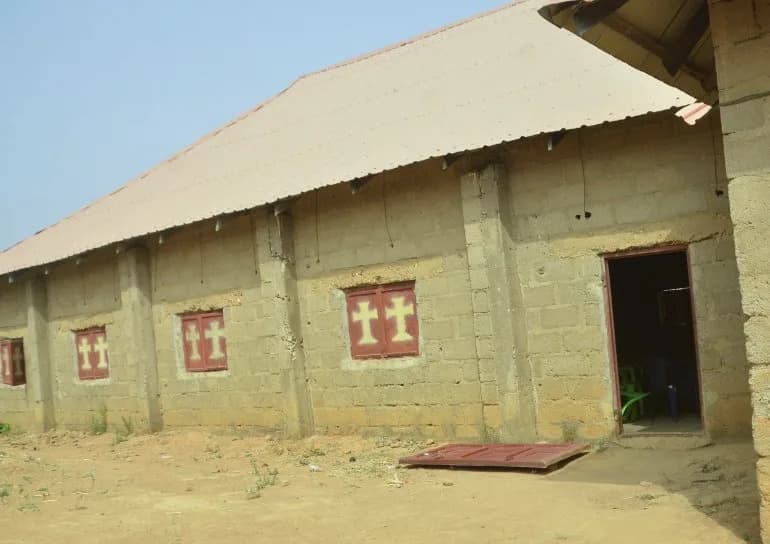
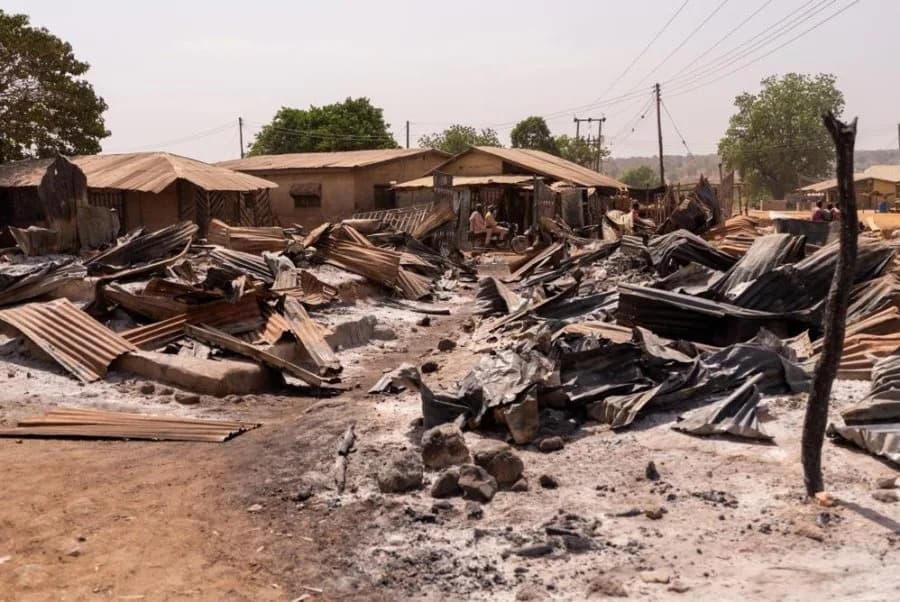
The victims were seized during Sunday services on January 18 in Kurmin Wali village, in the predominantly Christian Kajuru district of Kaduna State — the latest incidents in a wave of mass abductions that have targeted both Christians and Muslims across Nigeria.
Numbers and Circumstances
Governor Sani said, “Here we have 172, but the numbers that were abducted at the beginning were 183,” and added that 11 people escaped at the time of the attacks. He also said 89 people were “rescued only yesterday, or early morning of today,” while 83 others “returned about three days ago.”
Local traditional leader Ishaku Dan'azumi told AFP that about 80 people returned home after fleeing during the assault and hiding in neighboring villages. Officials have not disclosed how the released captives regained their freedom. Although paying ransom is illegal in Nigeria, the government is often suspected of quietly permitting payments in similar cases.
Governor Sani said he had been in frequent contact with President Bola Tinubu about the kidnappings, adding the president “has been with us from day one, working closely with me.”
Wider Security Context
International attention has focused on rising insecurity across Nigeria. After diplomatic pressure and comments from former U.S. President Donald Trump about attacks on Christians, the United States carried out strikes in Nigeria on Christmas Day targeting militants alleged to have links to the Islamic State group. Washington has also deployed a small military team and — through U.S. Africa Command — said it would increase equipment deliveries and intelligence sharing with Nigerian authorities.
Despite those measures, violence remains widespread. In a separate attack this week, gunmen killed dozens in the predominantly Muslim village of Woro in Kwara State; President Tinubu ordered the deployment of a battalion to the area and blamed Boko Haram, though no group claimed responsibility.
Large parts of the country are affected by armed gangs who pillage communities and kidnap for ransom, intercommunal clashes in central states, jihadist insurgency in the north, and recurring farmer-herder conflicts over land and resources. The Kaduna mass kidnappings followed the earlier large-scale abduction — and later release — of hundreds of Catholic schoolchildren in neighboring Niger State late last year; those children have since all been freed.
Kidnapping for ransom remains a common revenue source for armed groups in Nigeria, which has a population of roughly 230 million people.
Note: Authorities have not provided details on how the latest releases were secured, and official statements continue to be closely monitored for further clarification.
Help us improve.