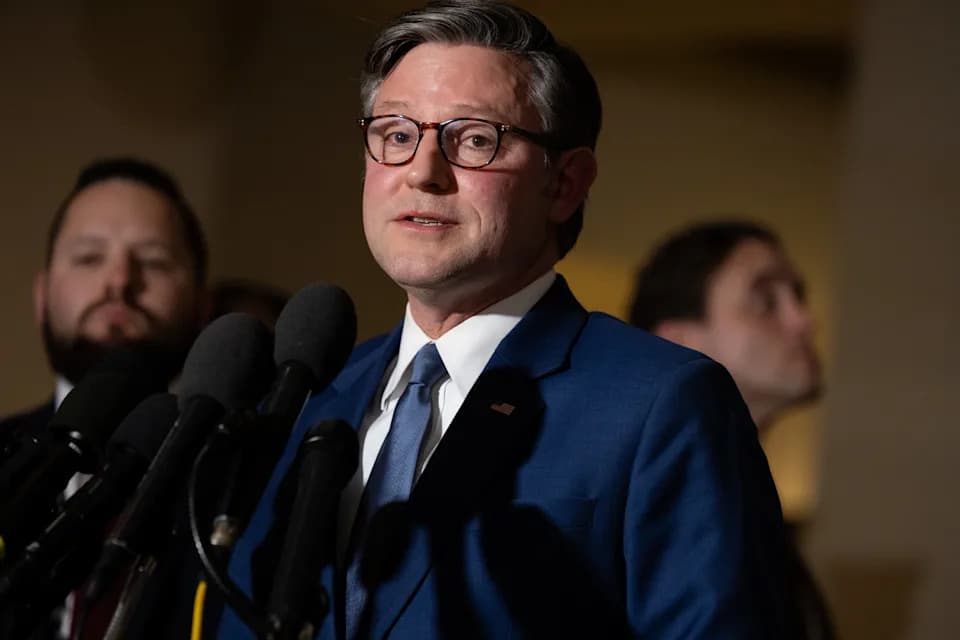
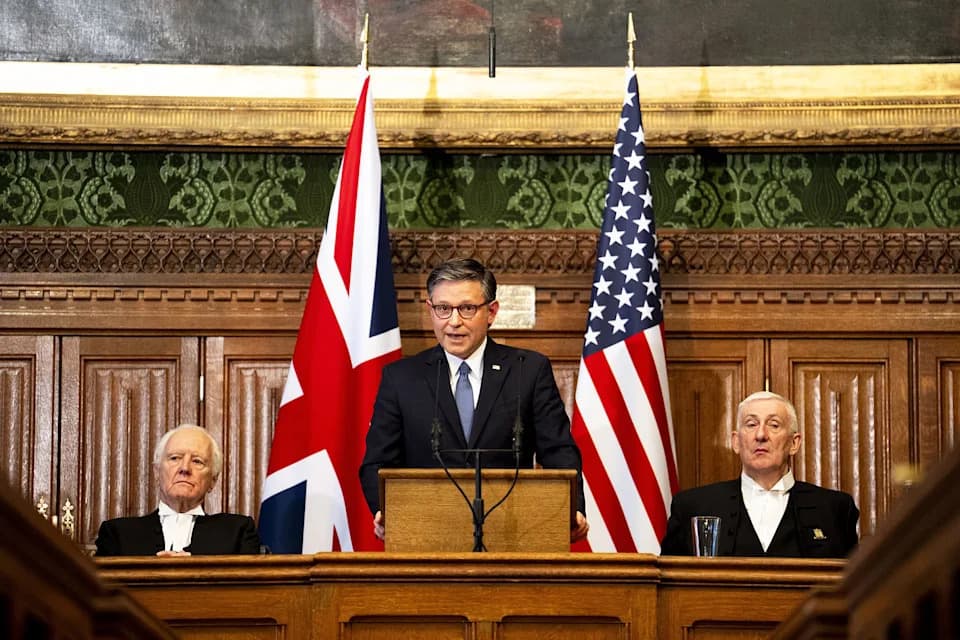
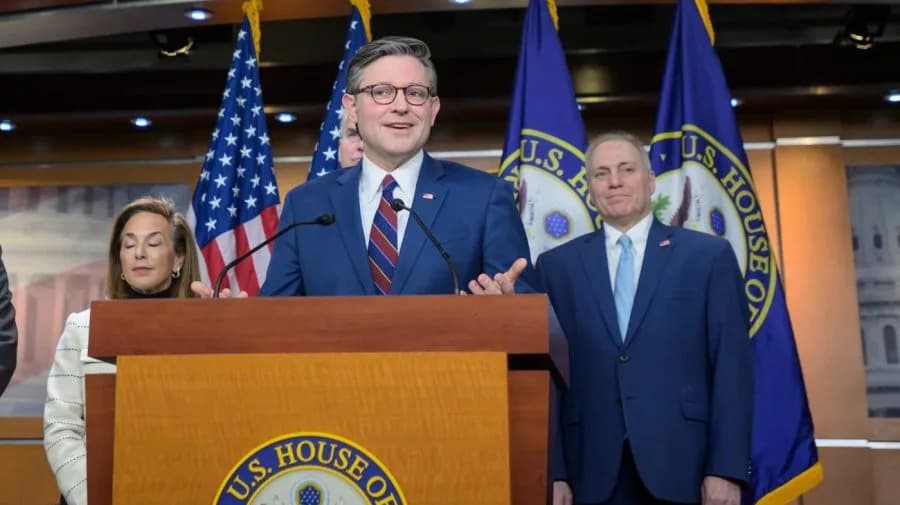
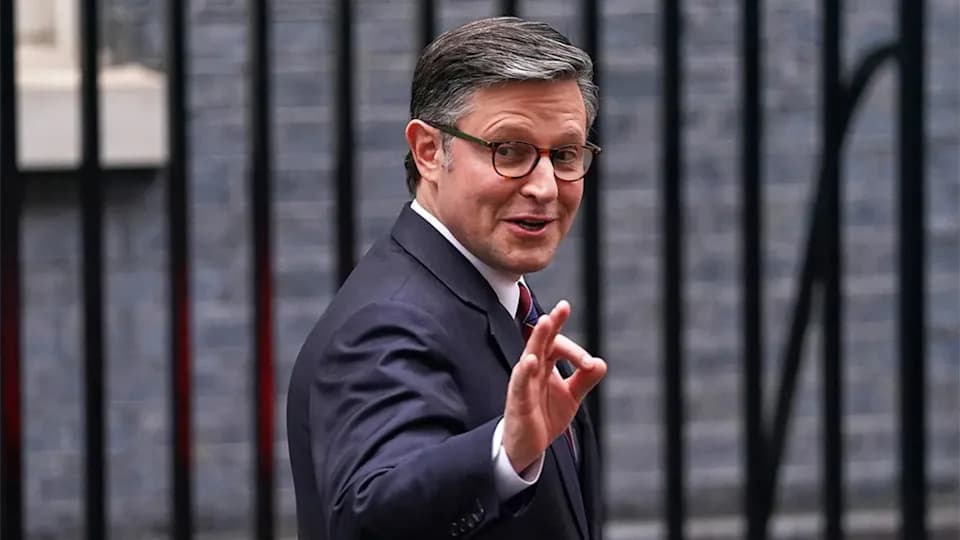
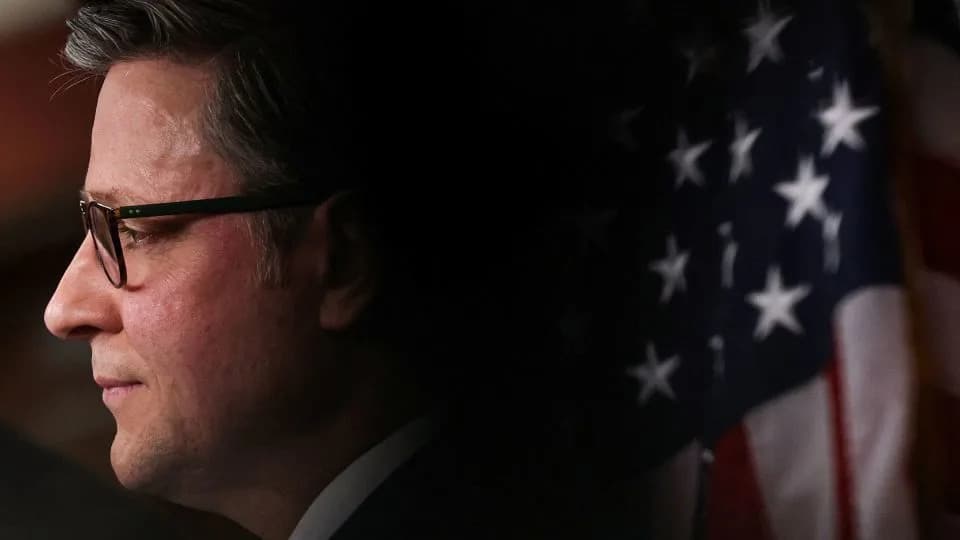
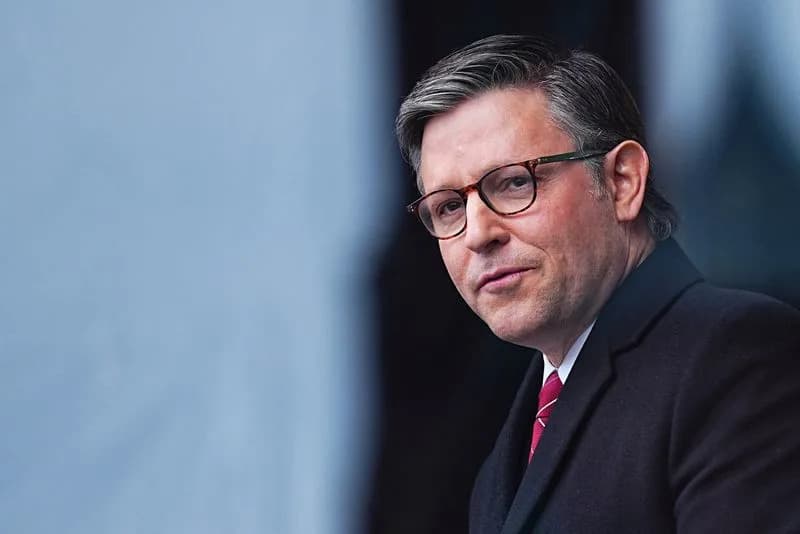
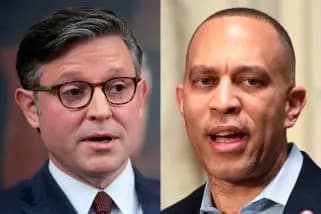
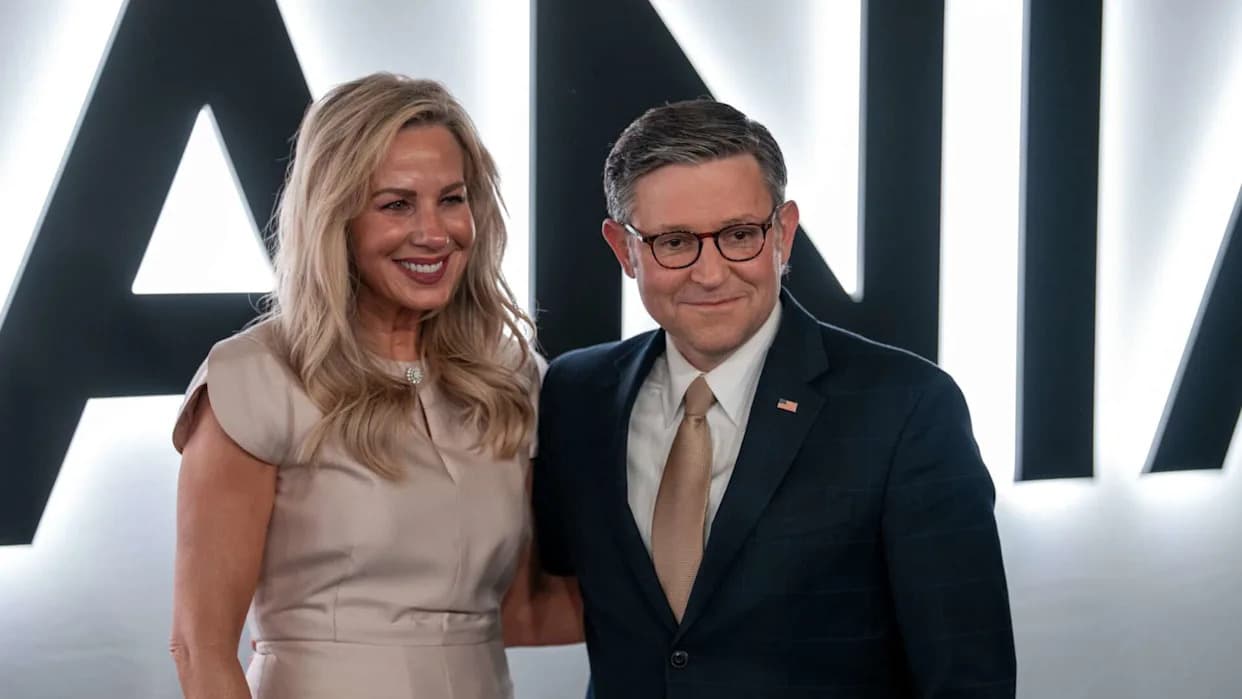
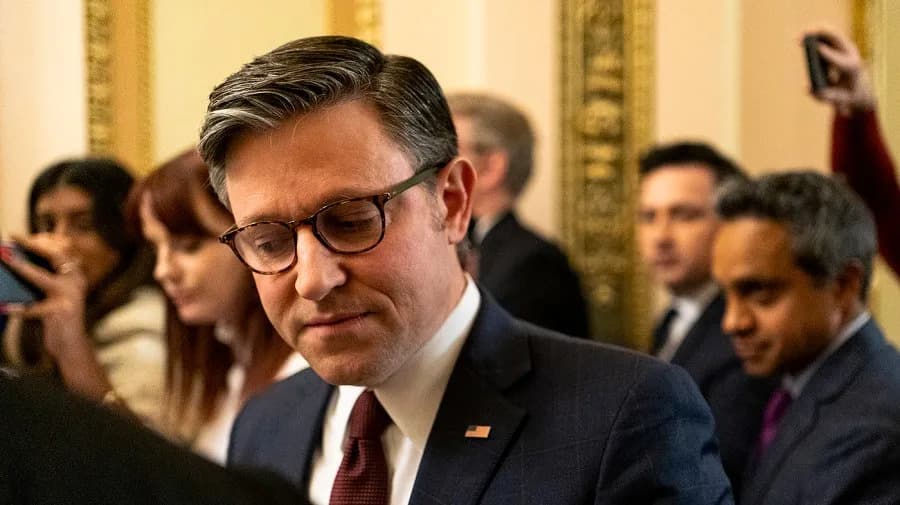
House Speaker Mike Johnson frequently replies "I don’t know" when asked about controversies involving President Trump and his administration. Experts say that pattern is unusual for a constitutionally mentioned officer whose duties include congressional oversight. Johnson has used this response in at least 14 public instances — including questions about pardons, a Qatar jet, memecoin investors, and a controversial military strike — prompting critiques that the posture weakens accountability while supporters point to party unity pressures.
Speaker’s Default Answer On Trump: “I Don’t Know” — Experts Say It Weakens Congressional Oversight

House Speaker Mike Johnson has adopted a predictable response when asked about controversial remarks or actions by President Donald Trump or his administration: some version of "I don’t know anything about that." That refrain has become a routine answer to questions about high-profile stories — from pardons and financial ties to a disputed military strike — even when the reports were prominent in national media and social feeds.
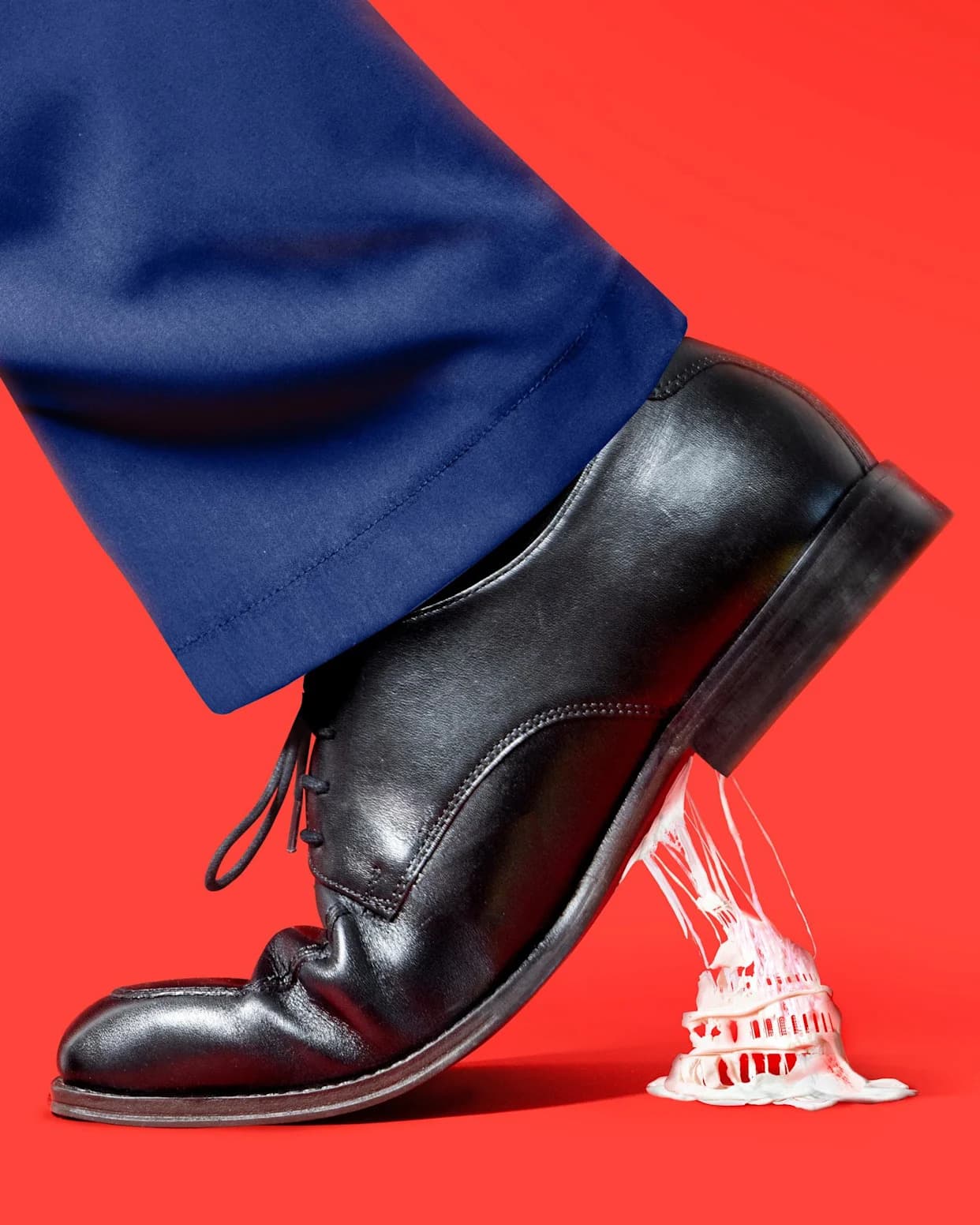
Political scholars say the pattern is striking because the speakership is a constitutionally referenced office with a traditional responsibility to monitor and hold the executive branch accountable. Compared with previous speakers who engaged more actively in oversight, Johnson’s repeated claims of unfamiliarity appear, to critics, as an abdication of that role.
"It’s pretty unusual for a speaker to plead ignorance about what the commander in chief is doing, especially as often as Speaker Johnson," said Matthew Green, a politics professor at the Catholic University of America. "The president is a pretty high-profile figure in Washington politics, and this president in particular is a master of getting attention."
Journalistic accounts document at least 14 instances in which Johnson said he had not seen or did not know about developments tied to the Trump White House. Examples include a private dinner for top memecoin investors that raised questions about mixing public office and private gain; pardons such as the controversial clemency for crypto executive Changpeng Zhao; and reports about Trump's acceptance of a $400 million Boeing jet reportedly gifted by Qatar.
When reporters pressed Johnson about a Washington Post report that a U.S. military commander — following guidance from Defense Secretary Pete Hegseth — had ordered a follow-up strike aimed at killing survivors of an attack on an alleged drug-smuggling boat, Johnson responded, "I’m not going to prejudge any of that. I was pretty busy yesterday. I didn’t follow a lot of the news." Some lawmakers from both parties voiced concern about the episode and pledged oversight.
Scholars and commentators point out that a speaker has access to experienced staff whose job includes keeping leadership informed. "You know damn well there is somebody briefing him on all this stuff," said Larry Evans, a government professor at the College of William & Mary. SoRelle Gaynor of the University of Virginia added that Johnson must balance oversight with party leadership: he heads a narrow House majority of just seven seats, creating pressure to preserve party unity.
Critics argue that repeatedly claiming ignorance, defending the administration, or insisting an issue is "not my lane" cannot all be true at once. As Matthew Green put it, "If you don’t know about it, then how can you defend it? And if it’s not your responsibility, then why are you talking about it?" Supporters counter that staying above every controversy can be a pragmatic political strategy in a nonstop news cycle.
Whether viewed as political caution or abdication of duty, the speaker’s standard reply highlights tensions between party leadership, constitutional oversight responsibilities, and the practical realities of governing amid rapid-fire headlines.
Help us improve.