House Speaker Mike Johnson told Britain’s Parliament he came to "calm the waters" as tensions flared over President Trump’s reported interest in Greenland and other diplomatic disputes. Speaking on the eve of the U.S. 250th anniversary, Johnson urged allies to confront rising threats from China, Russia and Iran while reassuring partners of enduring U.S.-U.K. ties. He praised NATO and AUKUS cooperation, rejected the notion that "America First" means isolation, and called for coordinated responses to shared security challenges.
House Speaker Mike Johnson Says He Came To "Calm The Waters" As U.S.-UK Tensions Rise
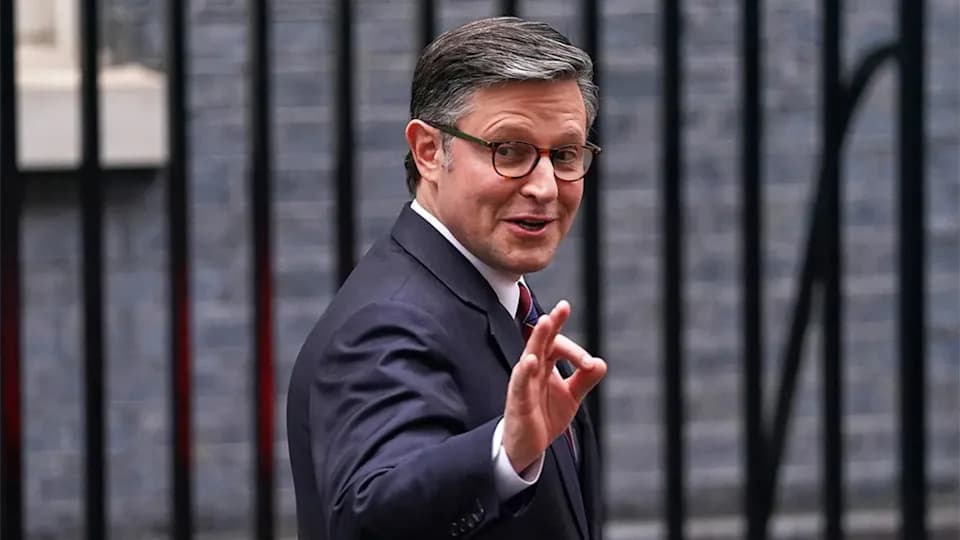
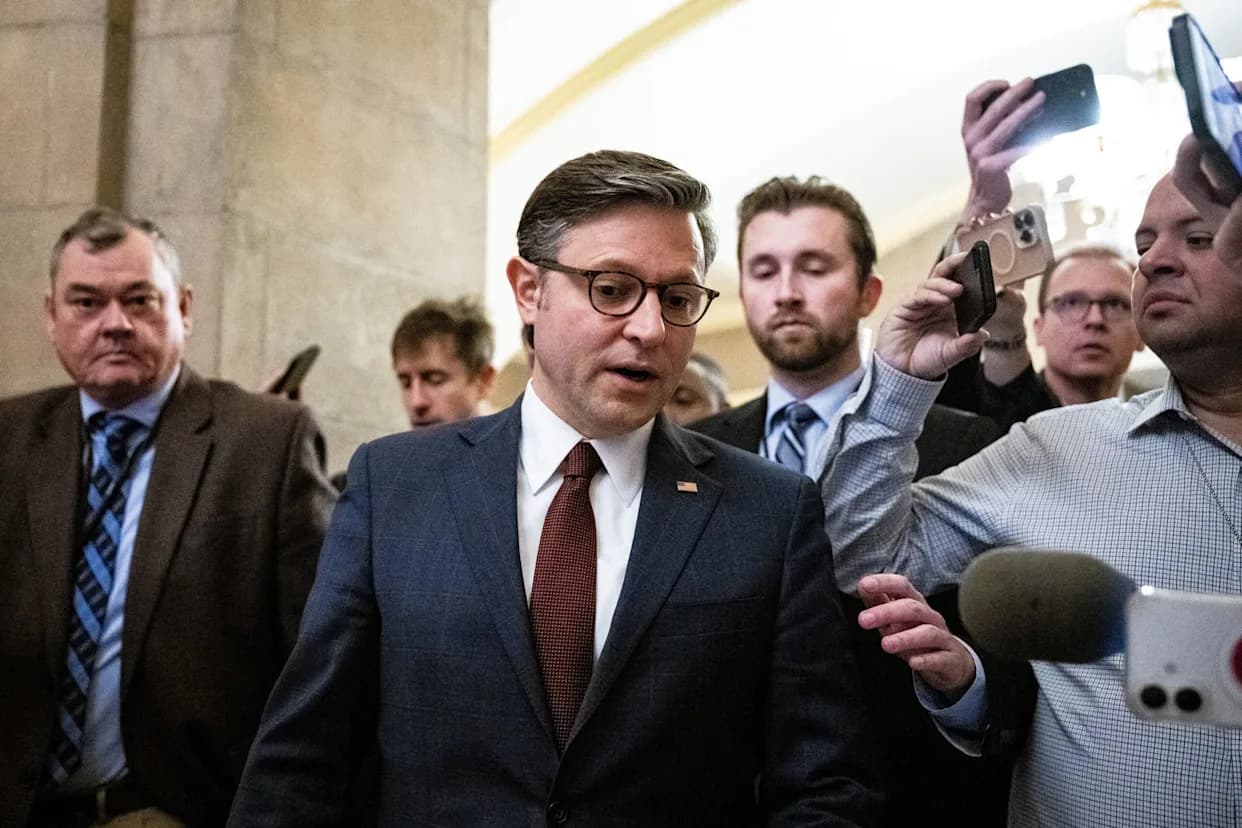
U.S. House Speaker Mike Johnson leaves 10 Downing Street after meeting Britain's Prime Minister Keir Starmer in London, Monday, Jan. 19, 2026.(AP Newsroom)
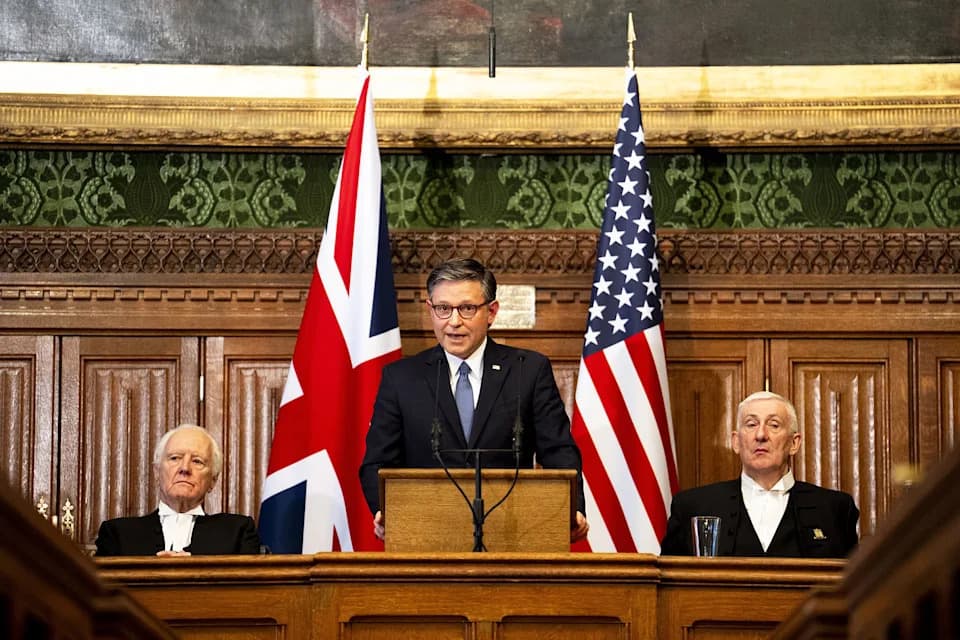
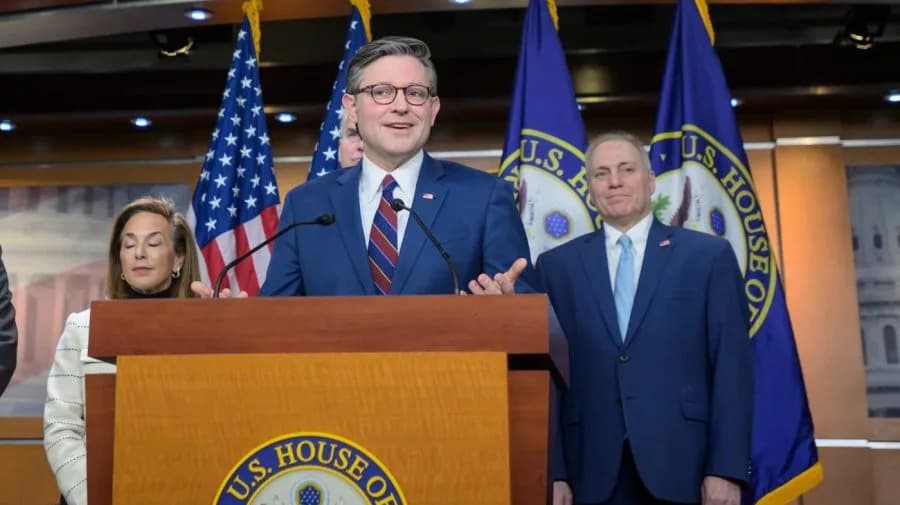
U.S. House Speaker Mike Johnson addressed the British Parliament on Tuesday, saying he traveled to London to "calm the waters" amid rising friction between Washington and its European partners over President Donald Trump’s reported interest in Greenland and other recent disputes.
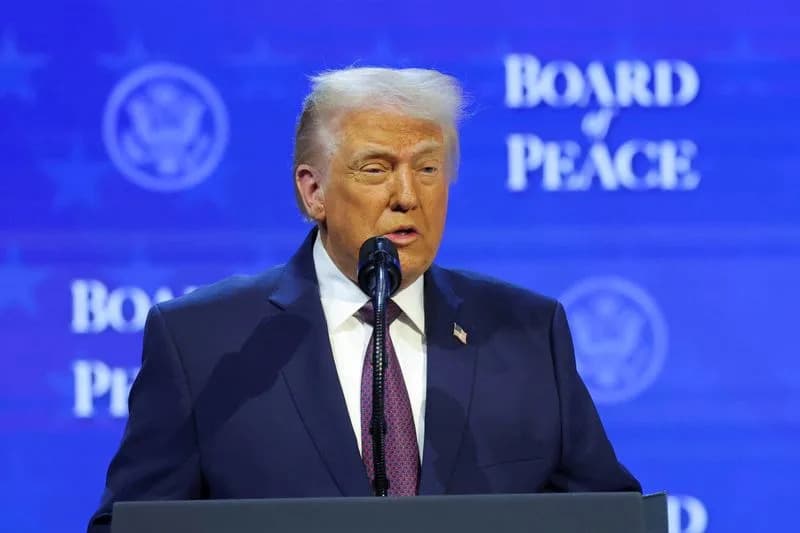
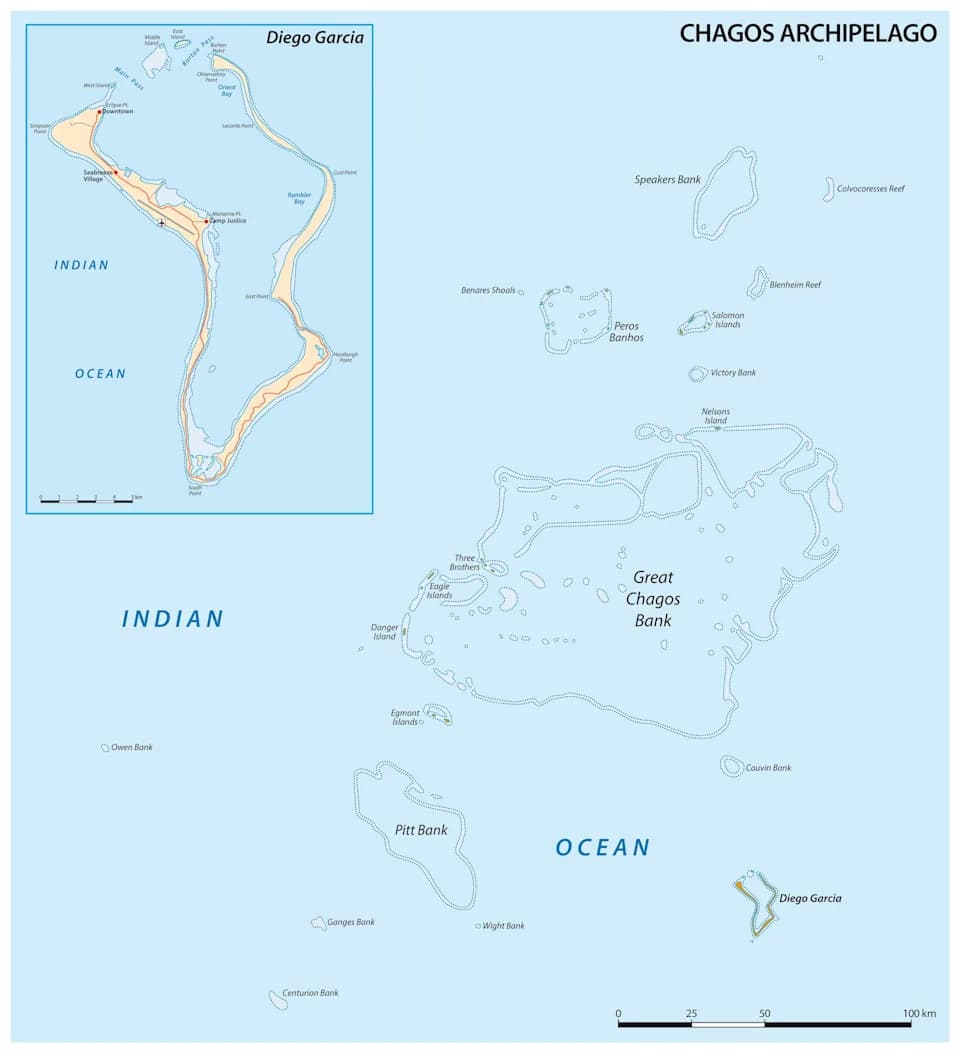
Johnson's speech — the first ever delivered by a sitting U.S. House speaker to the British Parliament — came on the eve of the United States’ 250th anniversary and followed a day in which President Trump sharply criticized UK Prime Minister Keir Starmer over a deal involving the Chagos Islands.
Explaining the purpose of his visit, Johnson said he had spoken with President Trump and told him his mission was to reassure allies and steady relations.
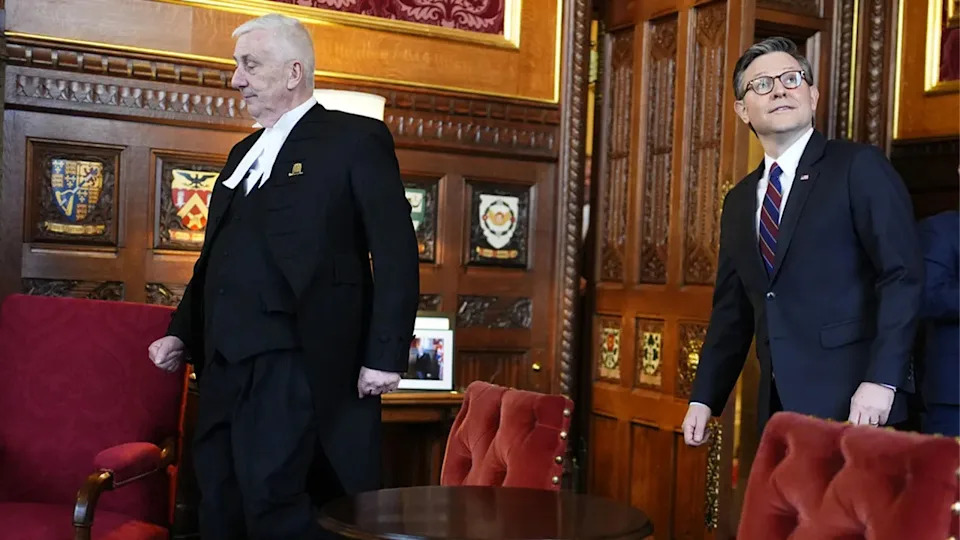
Britain's Speaker of the House of Commons Lindsay Hoyle, left, walks with U.S. House Speaker Mike Johnson during a visit to the House of Commons, in London, Monday, Jan.19, 2026.
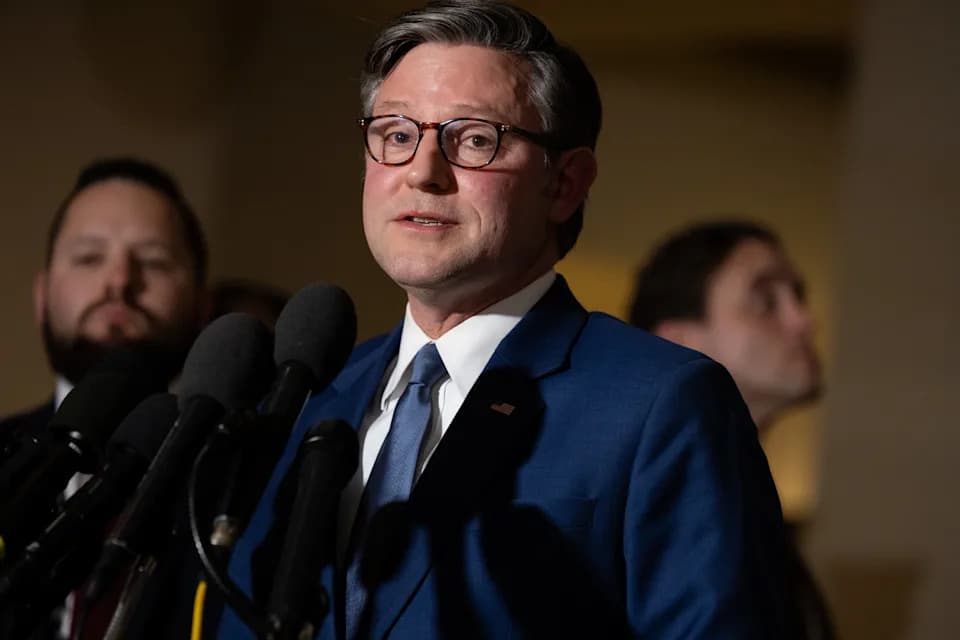
"I spoke to President Trump at length yesterday, and I told him that I really felt that my mission here today was to encourage our friends and help to calm the waters, so to speak," Johnson said.
He stressed that despite recent disagreements, the U.S. and U.K. remain bound by a durable alliance rooted in shared history, values and security interests.
Message and Context
Johnson framed his remarks against growing geopolitical strains and the approaching 250th anniversary of American independence, calling the milestone an occasion for reflection and renewed commitment. He described his role as both reassuring allies and signaling resolve to potential adversaries.
Johnson warned that rival powers are employing "increasingly sophisticated forms of subversion." He named China, Russia and Iran as actors expanding their economic, political and military influence, accusing them of human-rights abuses and large-scale intellectual property theft.
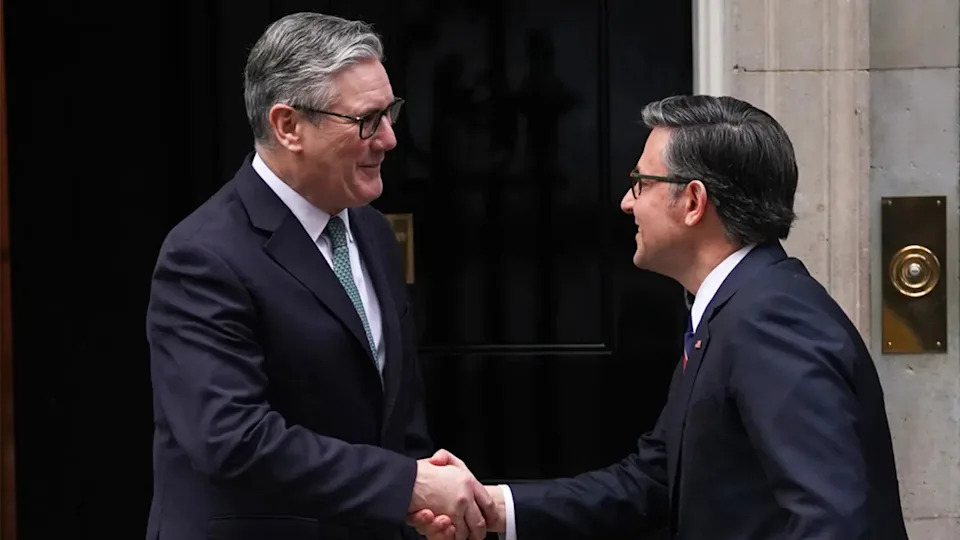
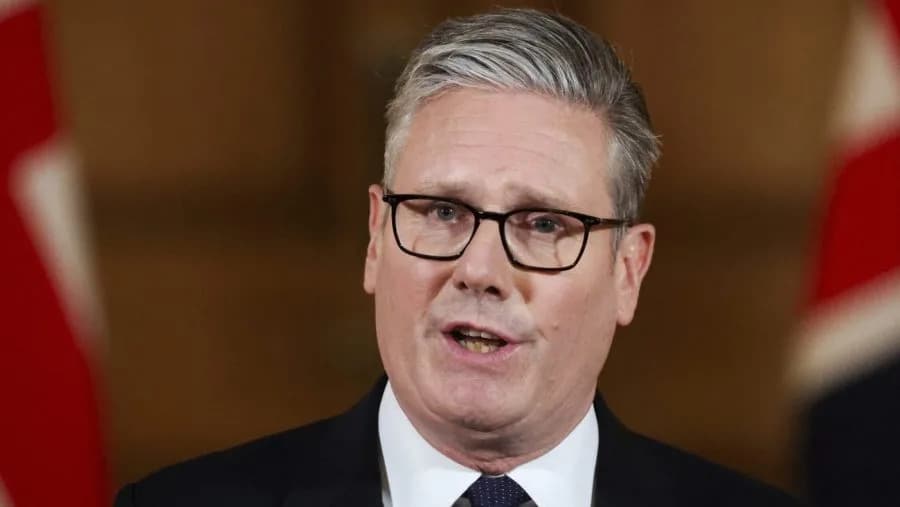
Britain's Prime Minister Keir Starmer welcomes U.S. House Speaker Mike Johnson to 10 Downing Street in London, Monday, Jan. 19, 2026.
"We see China, Russia and Iran grow more aggressive and emboldened as they intensify their efforts to exert economic, political, and military influence around the world," Johnson said. "We see a callous disregard for basic human rights, new provocations, and even the theft of intellectual property on a scale like we have never seen before."
Allies, Alliances and Strategy
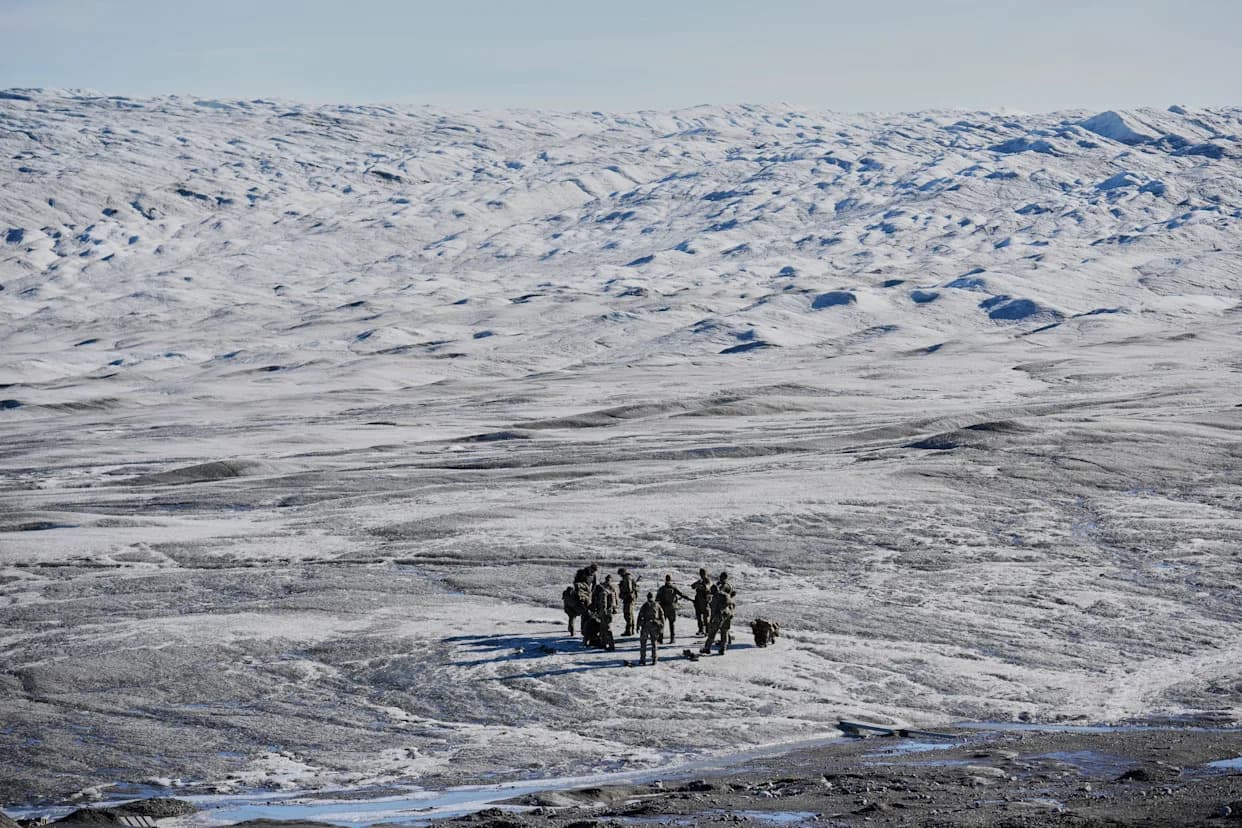
Johnson highlighted that President Trump remains focused on strategic threats — including those posed in sensitive regions such as the Arctic — and emphasized the need for collective responses among allies. "While we can have thoughtful debate among our friends about how best to counter these threats, we all certainly agree they must be countered," he said.
The speaker praised recent allied cooperation on sanctions enforcement and applauded NATO members for increasing defense spending. He also pointed to deeper collaboration through partnerships like AUKUS, citing submarine and undersea-defense cooperation as examples of how national priorities and collective security can coexist.
Johnson rejected the idea that an "America First" orientation equates to isolation. He warned that military power and economic strength mean little without a shared commitment to the values that underpin Western democracies.
"Strong and lethal militaries matter. Robust and thriving economies matter, but they mean little if we forget what we’re fighting for," he said.
The address combined a conciliatory tone toward close partners with a firm warning to adversaries, signaling a U.S. legislative leader’s attempt to steady transatlantic ties at a delicate moment.
Help us improve.