The Pointe-au-Chien Indian Tribe is fighting to preserve its coastal homeland as Louisiana’s shoreline steadily erodes. Grassroots measures — recycled oyster-shell reefs and elevated, storm-hardened homes — have slowed local land loss and improved resilience, but they face limits in scale and funding. Tribal leaders warn that erosion threatens sacred sites and traditional livelihoods and say federal recognition and larger investments are needed to protect communities and culture.
Louisiana’s Shrinking Coast: How Indigenous Tribes Are Fighting To Save Their Communities

Louisiana’s Coast Is Disappearing — And Tribes Are Trying To Hold The Line
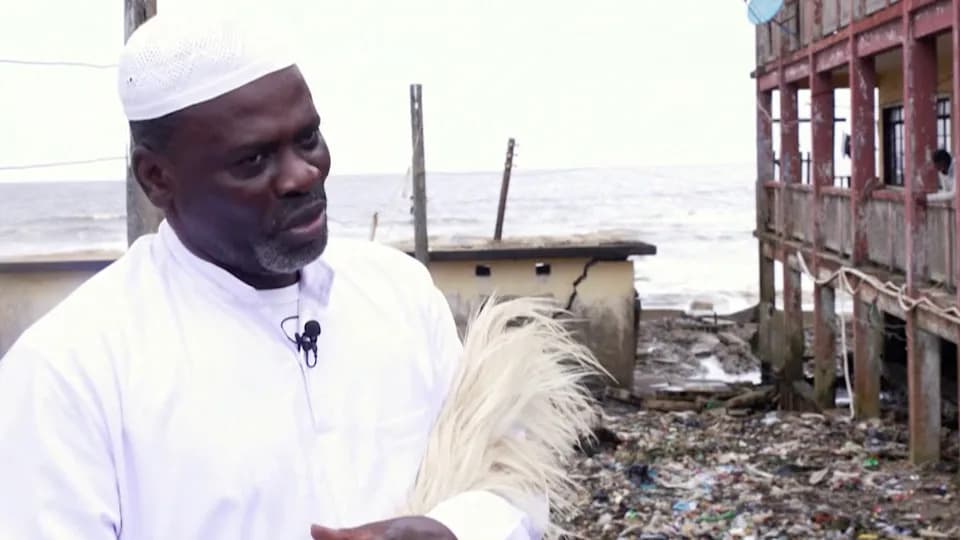
Cherie Matherne stood at the edge of Bayou Pointe-au-Chien and watched the water stretch wide enough for several boats. Dead tree trunks in the distance mark where saltwater surges during storm-driven floods. Elders remember when the bayou was narrow, cattle grazed on land now submerged, and forest canopies nearly blocked out the sun.
What’s Eating Away At The Coast
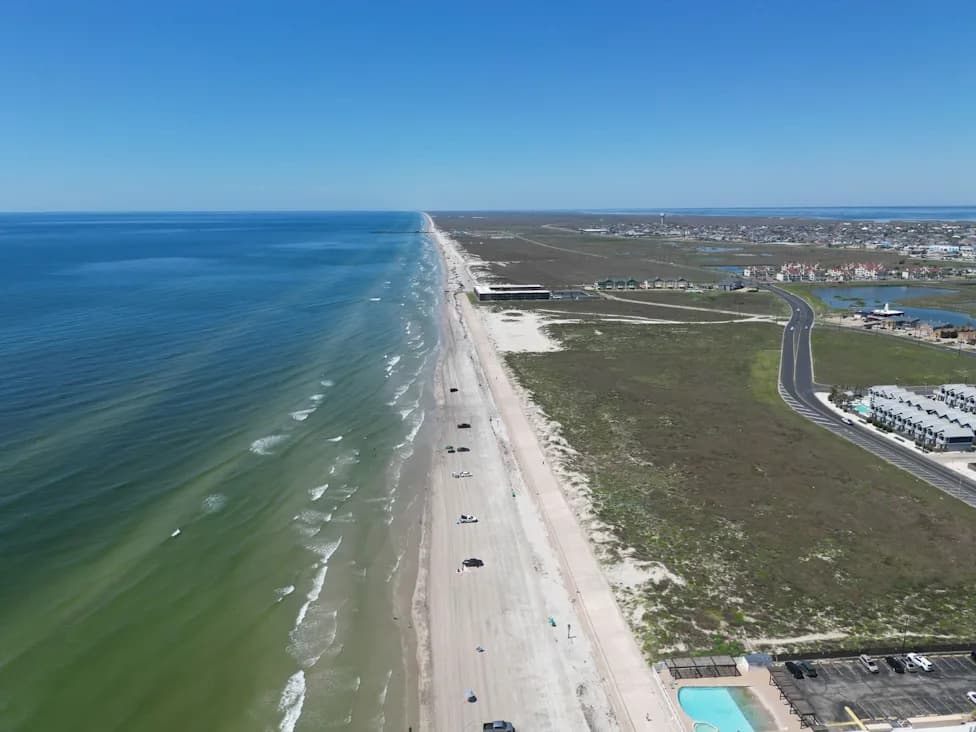
Louisiana’s coastline has been steadily retreating for generations. The causes are multiple and interconnected: levees and river controls along the Mississippi have cut off the natural flow of sand, silt and clay that once built and replenished land; navigation canals have allowed saltwater to penetrate and kill freshwater vegetation that stabilizes soils; groundwater pumping and other factors have caused subsidence; and climate change is driving sea level rise and more powerful storms.
Since the 1930s the state has lost roughly 2,000 square miles (about 5,180 km2) of land. A U.S. Geological Survey analysis found that at some points a football-field’s worth of wetlands disappeared roughly every 34 minutes. Researchers warn that, without substantial action, Louisiana could lose up to about 3,000 square miles (7,770 km2) over the next 50 years.
“That’s going to displace ecosystems, it’s going to displace communities, it’s going to isolate infrastructure that’s along the coastline,” said Sam Bentley, a geology professor at Louisiana State University. “And there are going to be a lot of changes that are very hard to deal with.”
Small-Scale Solutions: Oyster-Shell Reefs
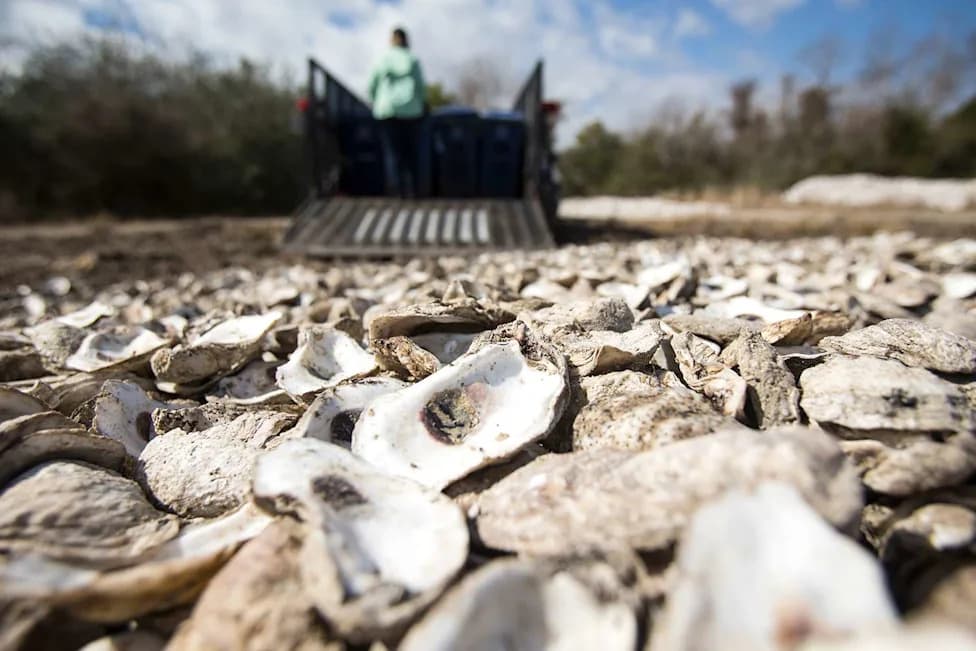
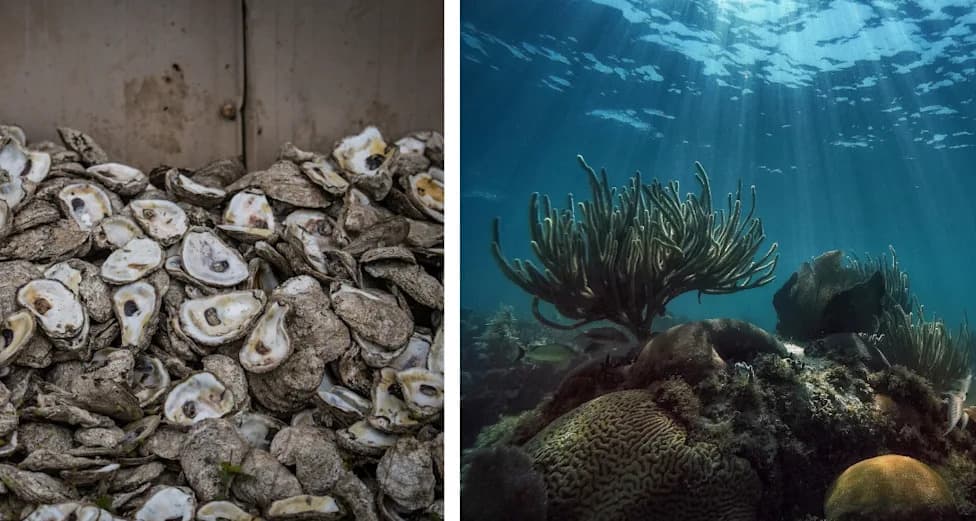
One local response is grassroots oyster-reef building. Restaurants donate shells, volunteers fill them into mesh bags, and crews stack the bags offshore to form reefs that reduce wave energy, trap sediment and slow erosion.
The Coalition to Restore Coastal Louisiana began the program in 2014 and has recycled more than 16 million pounds (about 7.3 million kilograms) of shells — enough to protect roughly 1.5 miles (2.4 km) of shoreline. After the Pointe-au-Chien Tribe helped install a 400-foot (123-meter) reef in 2019 to protect a historic mound, monitoring showed a roughly 50% reduction in local land loss at that site.
But oyster-shell reefs have limits: there aren’t enough reclaimed shells to armor Louisiana’s roughly 7,700-mile (12,400 km) coastline, transport and construction are costly, and shells last only in salt conditions that preserve them. Organizers therefore prioritize culturally significant and high-risk locations.
Rebuilding Stronger After Storms
Hurricane Ida made landfall in 2021 with maximum sustained winds near 150 mph (241 kph), damaging and destroying many homes in the region. The Pointe-au-Chien Tribe — with help from nonprofits such as the Lowlander Center — has been rebuilding to higher standards: elevating houses, adding hurricane straps, installing heavy-duty windows and doors, and raising electrical systems above expected storm surge.
To date the tribe has rebuilt or repaired about 13 homes, plans roughly five new houses, and is raising funds to fortify about a dozen more. Leaders emphasize that resilience requires whole-community approaches rather than isolated upgrades.
Funding, Recognition And Cultural Stakes
State recognition has not translated into federal recognition for some tribes, which limits access to federal grants and programs. Communities have relied on partnerships with nonprofits, universities and local coalitions to carry out projects. Past federal funding cuts also stalled certain resilience proposals, including applications for community centers and home solar installations.
Beyond physical infrastructure, erosion threatens burial grounds, ceremonial sites and ways of life — shrimping, fishing and small-scale farming — that are central to Indigenous identity and survival. Many community members say they remain because leaving would mean abandoning ancestral lands and sacred places.
“This is where our ancestors were, and we feel like we would be abandoning them,” said elder Theresa Dardar. “We have sacred sites that we still visit.”
Looking Ahead
The efforts at Pointe-au-Chien — from recycled-oyster reefs to elevated, strengthened homes — are modest compared with the scale of coastal loss, but they demonstrate local ingenuity and the importance of protecting cultural heritage. Tribe leaders hope that by slowing erosion and strengthening homes younger families will stay or return. They also note that protecting the coast near their community serves as a buffer that benefits inland areas as well.
Reporting note: This article draws on local interviews and public data; credit for the original reporting belongs to the Associated Press.
Help us improve.