Neoroyalism is a framework proposed by Stacie Goddard and Abraham Newman to explain how the White House sometimes operates like a royal household: blending family, private business and state power. The model highlights diplomacy routed through relatives and associates, investment-driven bargaining, and a hierarchical approach to other countries. Because the U.S. wields large economic and military influence, these practices could create durable international arrangements that are hard to reverse.
Neoroyalism: When the White House Acts Like a Royal Household

Neoroyalism is a new analytical frame proposed by political scientists Stacie Goddard and Abraham Newman to explain an unusual feature of recent U.S. foreign policy: diplomacy that blends private business, family networks and public power in ways that resemble pre-modern royal courts more than modern state bureaucracies.
The concept does not claim the United States has become a monarchy. Instead, it offers a lens for understanding how influence can shift when foreign policy is routed through a leader’s personal circle and aligned economic actors rather than through formal institutions such as ministries, agencies and career diplomatic services.
What Do the Authors Mean By Neoroyalism?
In standard accounts of international politics, states act through relatively impersonal institutions: professional diplomats, written mandates, and routinized bargaining. Goddard and Newman argue that this model misses important dynamics when governance begins to look more like the behavior of a ruling household or court. In a neoroyalist mode, personal access becomes a currency, and deals move through trusted relatives, close allies and private intermediaries operating with informal or ambiguous authority.
The defining feature is the open mixing of private gain and public power. Rather than strictly separating state decisions from business opportunities, neoroyalist practices can treat investments, contracts, branding and elite commercial access as part of the diplomatic toolkit. This is why the authors frame the phenomenon as a different logic of rule, not simply a collection of scandals.
Key Patterns
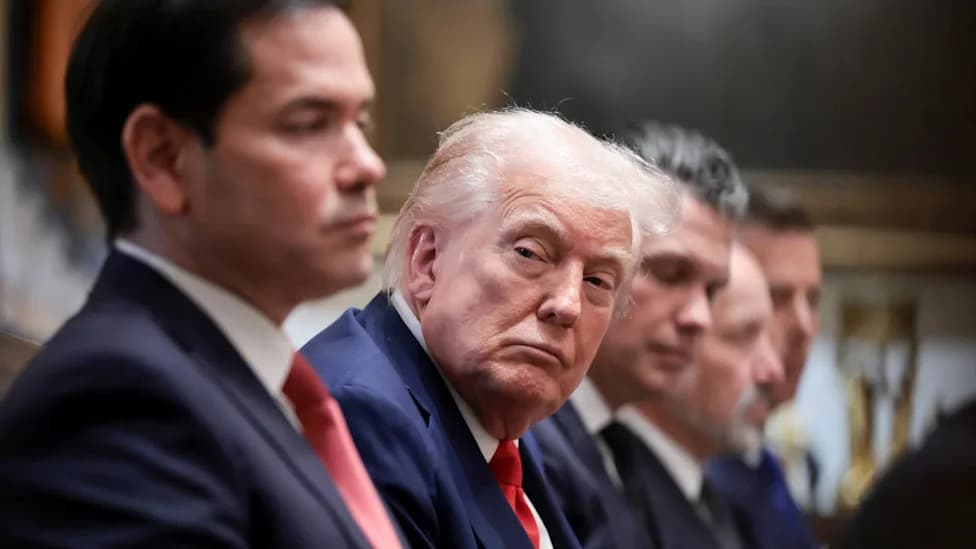
- Family and Personal Networks: Important negotiations and initiatives are sometimes carried out or brokered by relatives and longtime associates, often outside normal clearance processes and with unclear lines of accountability.
- Private-Public Overlap: Business leaders, financiers and tech executives are pulled directly into geopolitical bargaining, and investment pledges or market access are used as leverage in negotiations.
- Hierarchy Over Sovereignty: Diplomacy projects a pecking order among states, treating some partners as junior, conditional or negotiable rather than equal sovereigns, and using dominance signals to shape expectations.
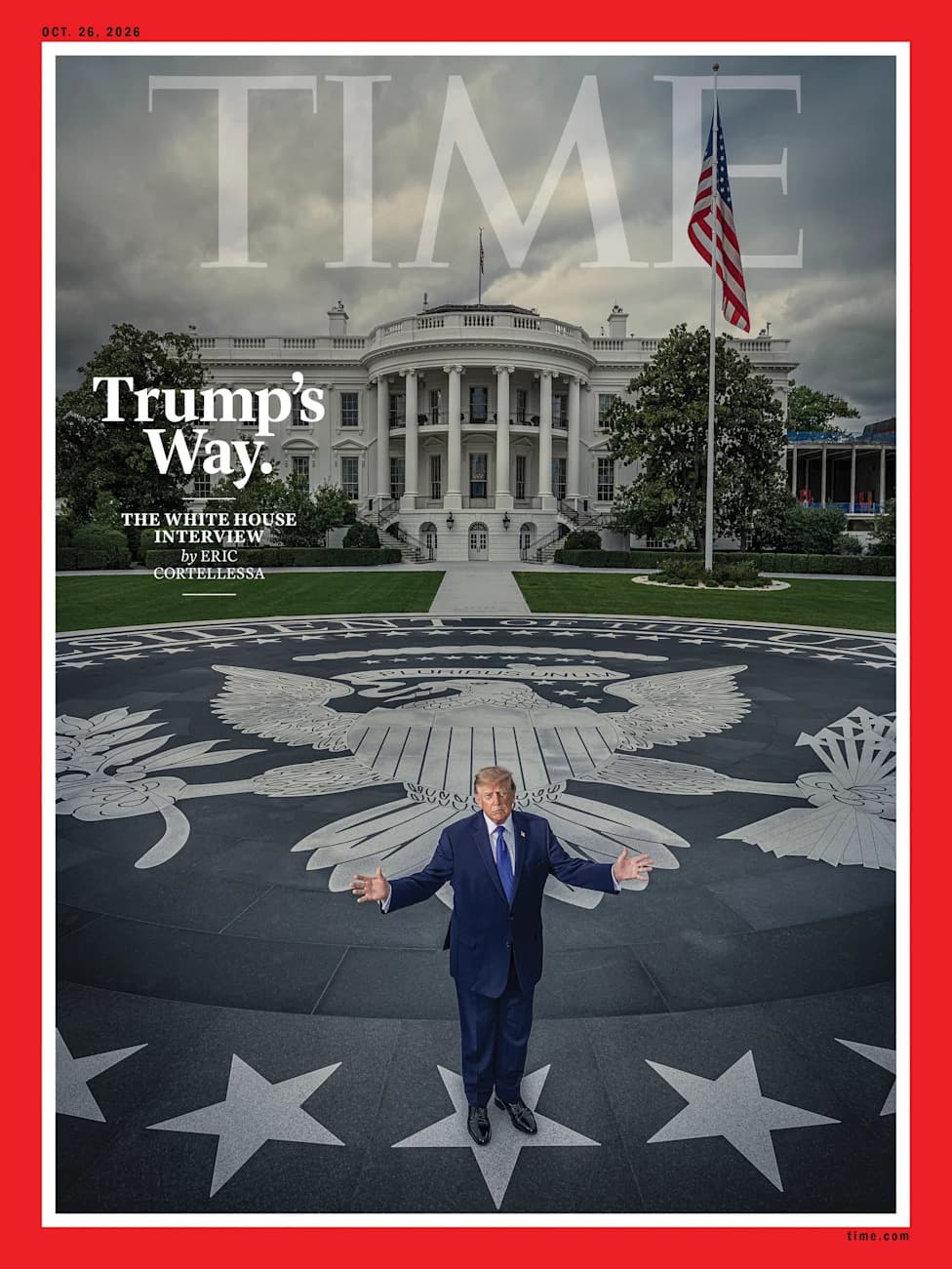
- Lavish Symbolism: Gifts, grand gestures and regal imagery play an outsized role in signaling status and influence, turning state visits into performances of favor and rank.
- Access as a Transaction: The closer a foreign actor can get to the leader’s inner circle, the more negotiating power they may gain, encouraging other states to compete for proximity rather than rely on formal channels.
How It Works In Practice
Neoroyalism is less about a single policy than about a style of bargaining. It tends to appear when official institutions are bypassed in favor of personalized dealmaking, when public messaging blurs into branding and spectacle, and when the boundary between “national interest” and “private opportunity” becomes deliberately porous.
Under this logic, foreign governments may invest time and money into courting the leader’s network rather than building long-term institutional relationships. That can speed up certain deals, but it can also introduce volatility: outcomes may depend on loyalty, personal rapport and shifting favor rather than consistent rules.
Illustrative Examples
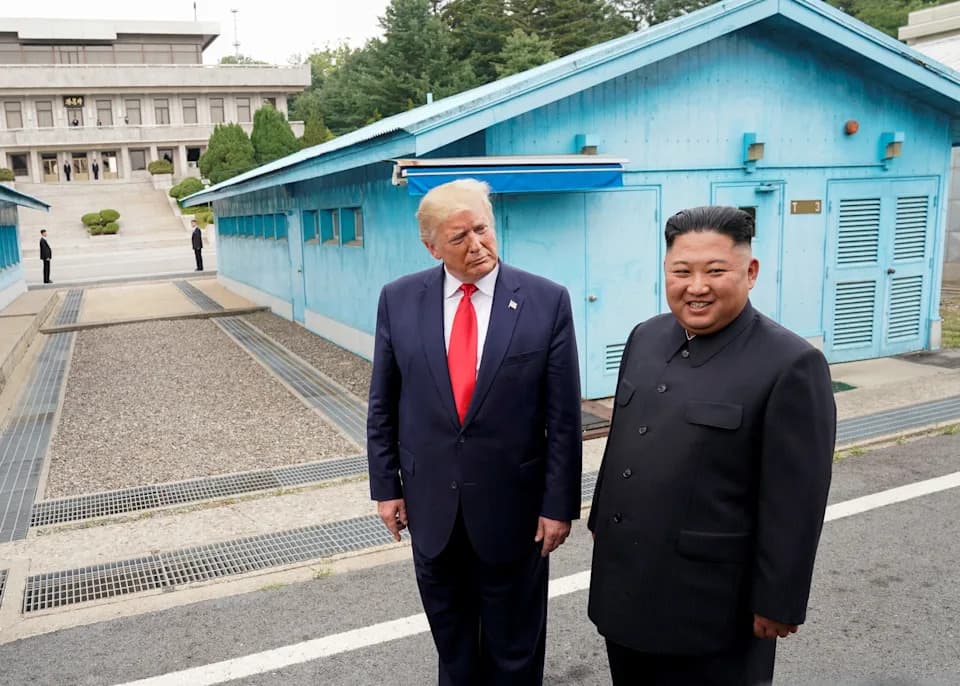
Media coverage has highlighted episodes that fit the pattern: private peace proposals circulated by intermediaries outside formal channels; highly publicized gifts and symbolic items presented during state visits; business deals and investment pledges intertwined with trade negotiations; and public suggestions—some serious, some jocular—about buying or absorbing territories that function more as dominance signals than straightforward policy goals.
In these cases, the important point is not whether every episode is unlawful. The point is that the governing structure begins to look court-like: a leader-centered network with intermediaries, patrons and clients, where access and favor shape outcomes.
“It’s misleading if you think of it just as corruption or just a degenerate category of neoliberalism,” Newman has said. “It’s an entirely different system of how actors distribute power amongst themselves.”
How This Differs From Other Critiques
Neoroyalism is distinct from simple accusations of corruption or authoritarianism because it focuses on the architecture of decision-making. A corruption critique emphasizes illegality and self-enrichment; an authoritarianism critique emphasizes coercion and weakened checks. Neoroyalism emphasizes how diplomacy and governance are organized when personal networks and private actors become the main conduits of state power.
This distinction matters because even “successful” personalized deals can create long-lasting institutional footprints: preferential contracts, defense sales arrangements, data and technology infrastructure, or trade structures that are difficult to unwind later. Over time, what began as a shortcut can become the default way of doing business.
Risks and Global Consequences
When a powerful state behaves in a neoroyalist manner, the effects can ripple outward. Other governments may adapt by seeking direct access to the leader or inner circle, offering investments and gifts rather than engaging formal institutions, and treating diplomacy as a competition for personal favor.
That dynamic can reshape expectations about how international bargains are struck and who benefits. It can also increase instability because other actors may struggle to know which commitments are official policy and which are personal signals or trial balloons. Ambiguity can produce miscalculation, rapid escalation or sudden reversals.
Where Might This Lead?
Goddard and Newman warn that succession is a potential flashpoint: a system organized around personal networks and clientelist practices can be fragile and may produce instability when leadership changes. New leaders may inherit opaque obligations to foreign patrons or domestic clients, while outsiders may test the new court to see who holds real access and influence.
Whether these practices will be rolled back, institutionalized, or provoke international tensions remains an open question. The authors’ central warning is that once neoroyalist bargaining creates durable infrastructures and expectations, the system can persist even after the original personalities leave the stage.
Bottom line: Neoroyalism does not claim the United States has become a monarchy. Rather, it offers a lens for understanding a set of diplomatic behaviors—mixing family, private interests and state power—that can alter how international politics works if they become entrenched and imitated.
Help us improve.