Overview: Sustained harassment by settlers forced Ahmed Kaabneh and his extended family to abandon their Bedouin cluster in al-Hathrura and relocate about 13 kilometres northeast. According to UN OCHA, roughly 3,200 Palestinians from Bedouin and herding communities were displaced by settler violence and movement restrictions since October 2023. Activists and watchdogs say the proliferation of settler outposts, weak law enforcement and alleged backing from some Israeli officials have enabled these displacements.
‘Land Without Laws’: Settler Harassment Forces Bedouin Family From Ancestral West Bank Lands

Bedouin Family Driven From Ancestral Land After Sustained Settler Harassment
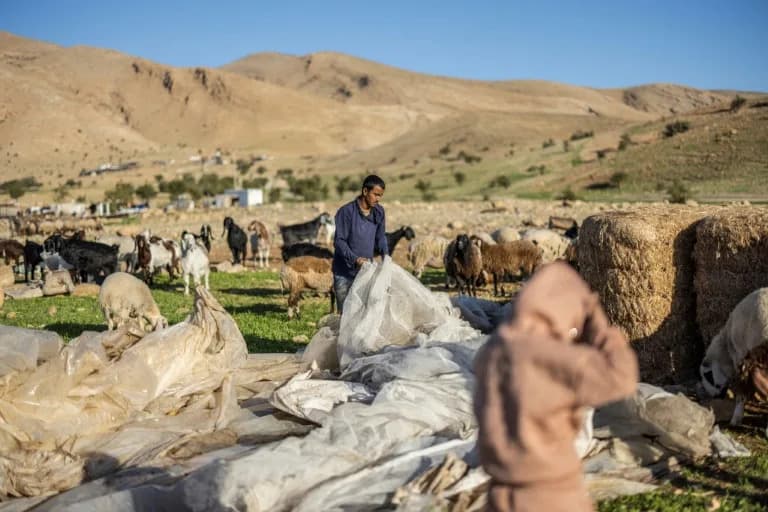
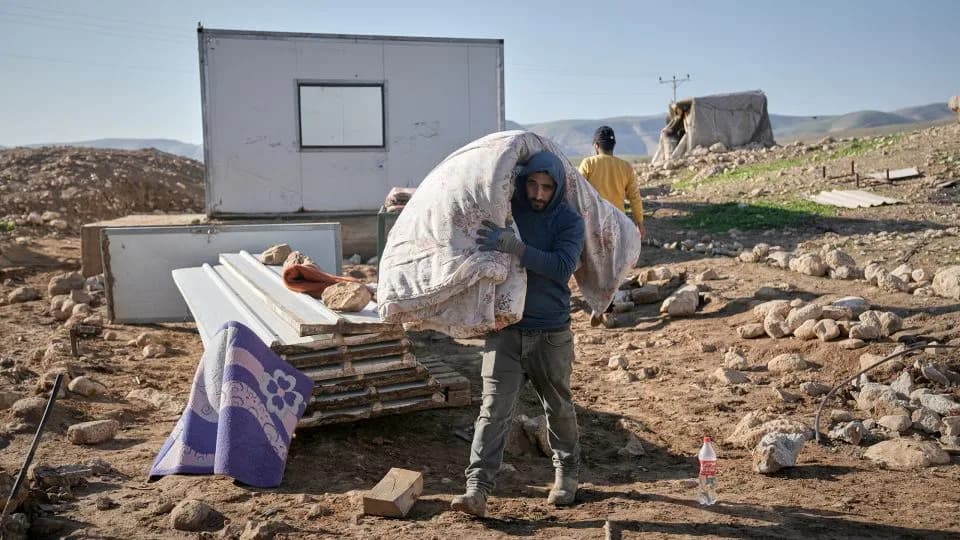
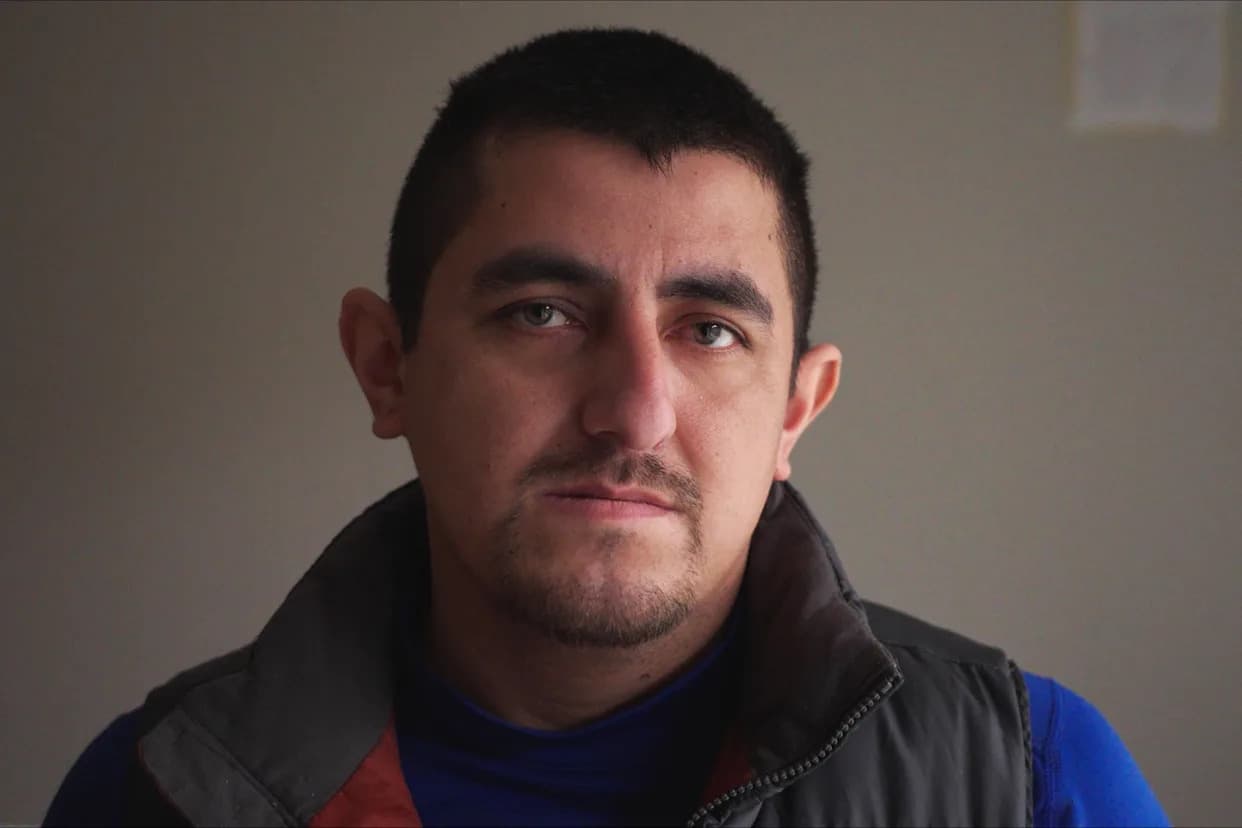
Ahmed Kaabneh stayed behind longer than most as relentless harassment from nearby Israeli settlers made life in his Bedouin community in the central occupied West Bank intolerable. When a small group of young settlers erected a shack roughly 100 metres above his home and began intimidating his children, the 45-year-old said he felt he had no choice but to leave.
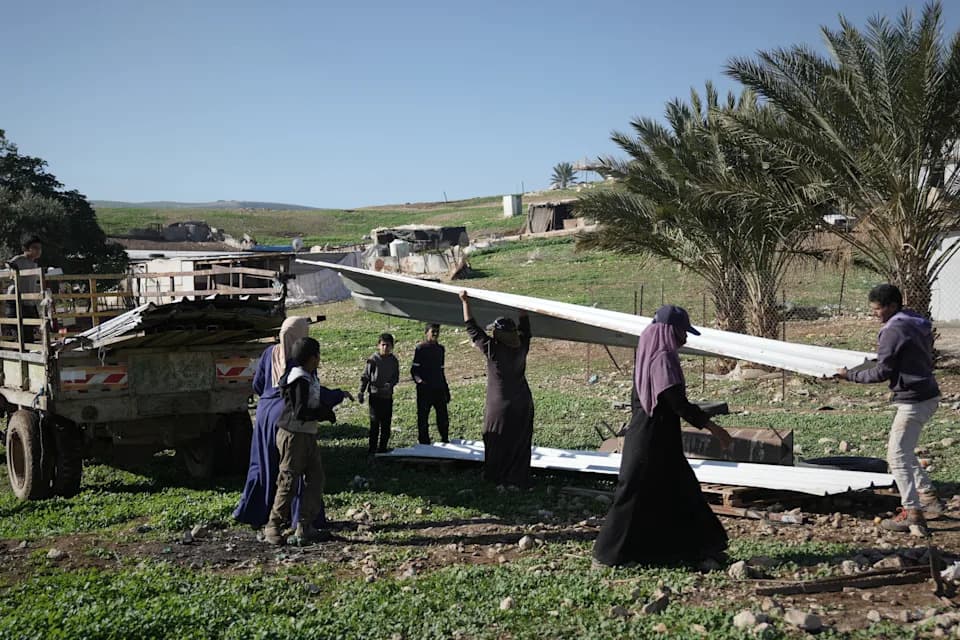
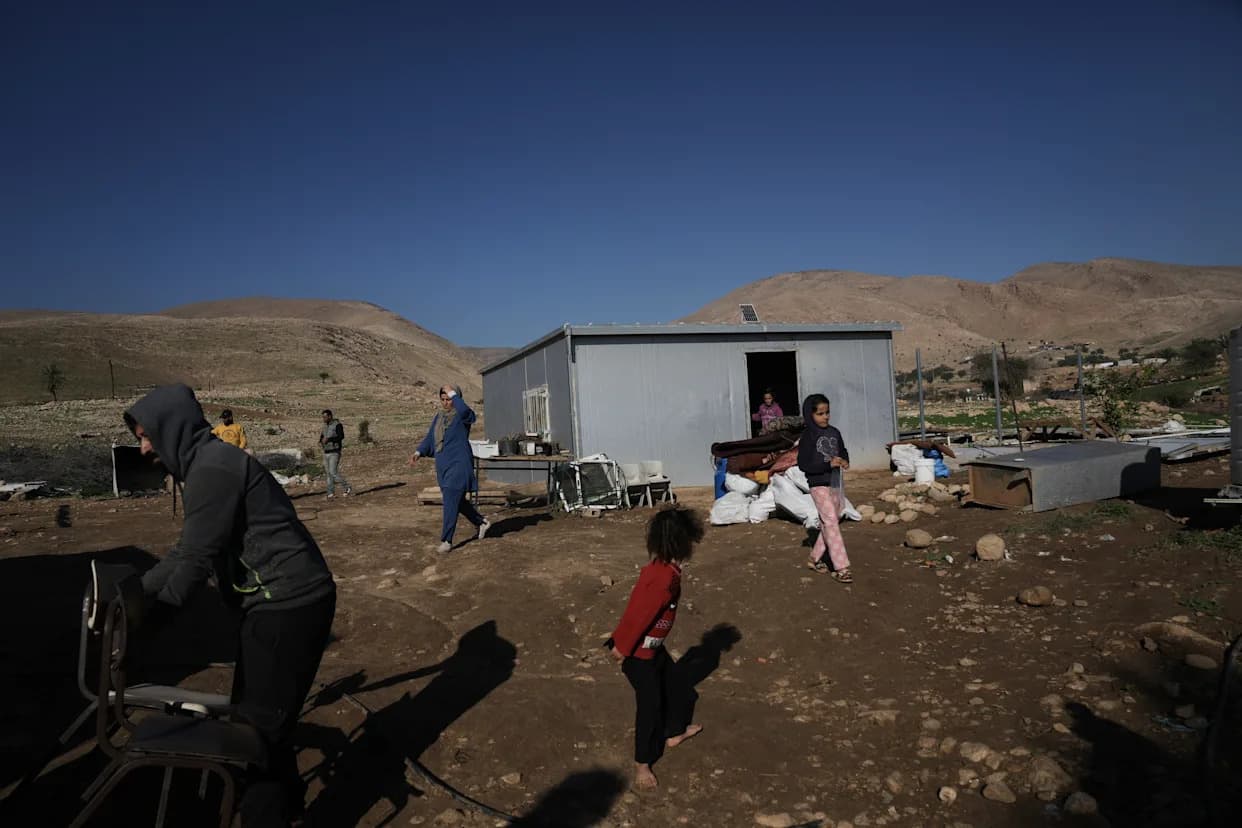
"It is very difficult... because you leave an area where you lived for 45 years. Not a day or two or three, but nearly a lifetime," Kaabneh told AFP from his family’s new makeshift shelter north of Jericho. "But what can you do? They are the strong ones and we are the weak, and we have no power."
Displacement and Context
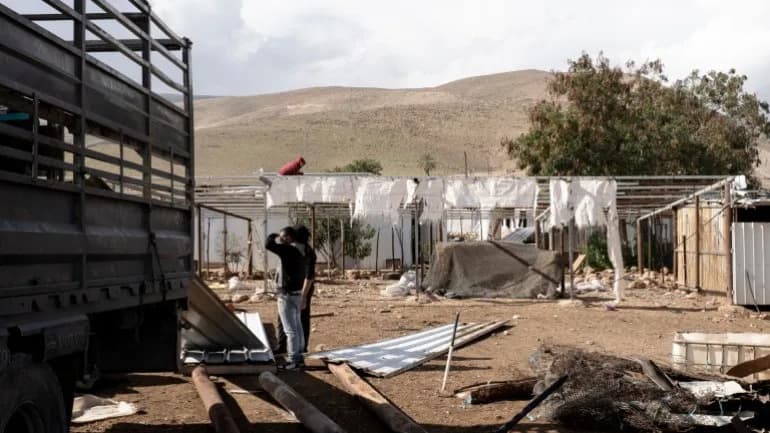
Like dozens of other Bedouin and herding clusters across the West Bank, the small collection of wooden and metal houses where Kaabneh’s father and grandfather lived now stands empty. According to the UN Office for the Coordination of Humanitarian Affairs (OCHA), some 3,200 Palestinians from dozens of such communities were forced from their homes by settler violence and movement restrictions since October 2023. The UN said that October was the worst month for settler violence since it began documenting incidents in 2006.
Almost none of the alleged perpetrators have been held to account by Israeli authorities, according to rights groups and UN reporting.
On-the-Ground Details
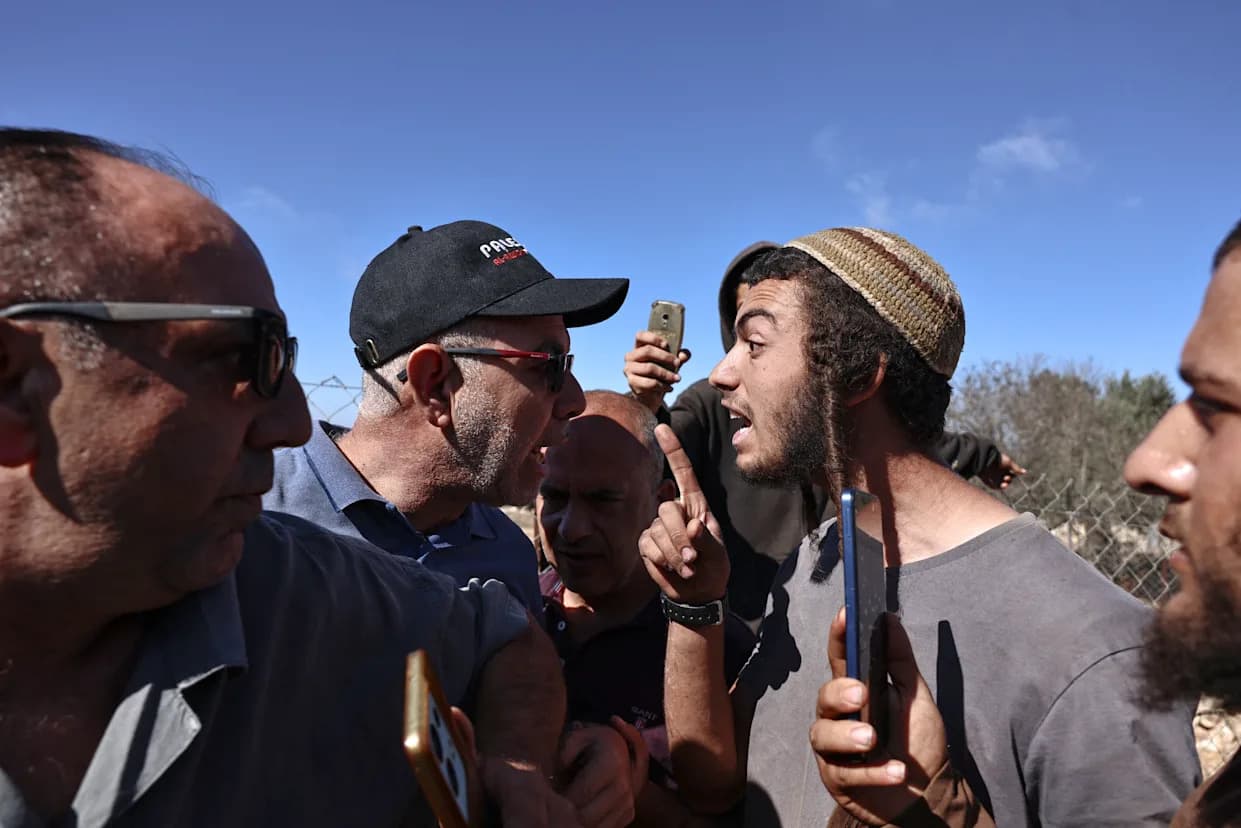
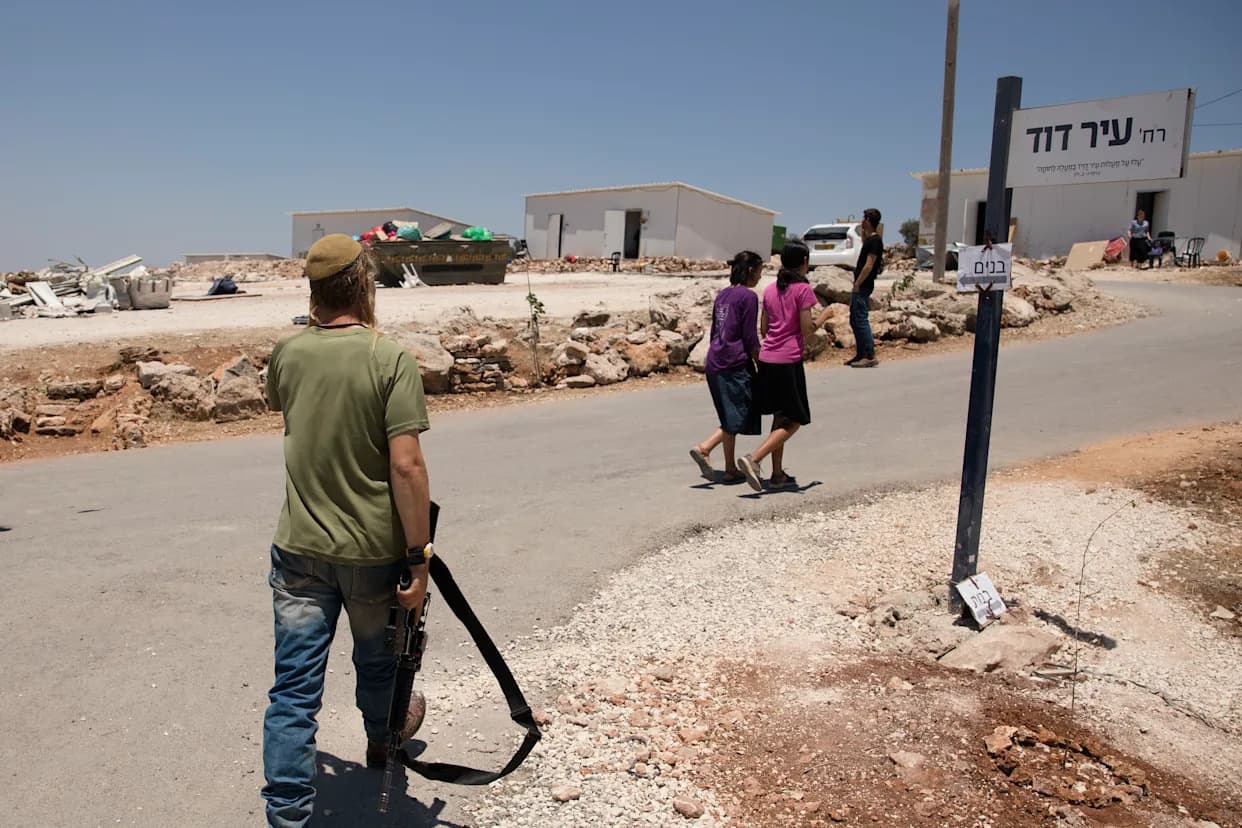
AFP visited the al-Hathrura area weeks before Kaabneh fled and documented the rapid spread of settler outposts: caravans, an Israeli flag on a hill, and a new shack overlooking Bedouin homes. Residents described nightly shouting, stones thrown at houses, and settlers walking through the middle of compounds, making sleep and daily life impossible. Within three weeks of that visit, the cluster was deserted.
Activists who inspect abandoned properties warn they are often looted or reoccupied. "We are here to keep an eye on the property... because a lot of places that are abandoned are usually looted by the settlements," said Sahar Kan-Tor of the Israeli-Palestinian group Standing Together.
Wider Trends And Claims
Alongside rising violence, settler outposts have proliferated across the West Bank. Israeli settlement watchdogs reported that shepherding outposts have been used to seize territory, estimating around 14 percent of the West Bank has been affected in recent years. NGOs including Peace Now and Kerem Navot say some settlers operate with the backing of Israeli government and military institutions. Members of Israel’s right-wing coalition include settlers and Far-Right ministers who have publicly advocated annexation of parts of the West Bank.
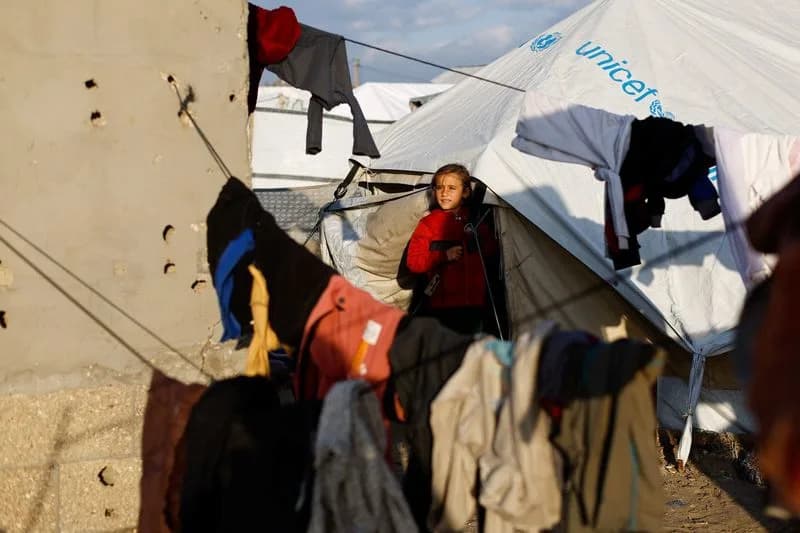
Kaabneh and his relatives, now living about 13 kilometres northeast of their former homes, say the threat persists. "Even this area, which should be considered safe, is not truly safe," he said. "They pursue us everywhere."
Sources: AFP reporting; UN OCHA; Israeli settlement watchdogs; NGOs Peace Now and Kerem Navot.
Help us improve.