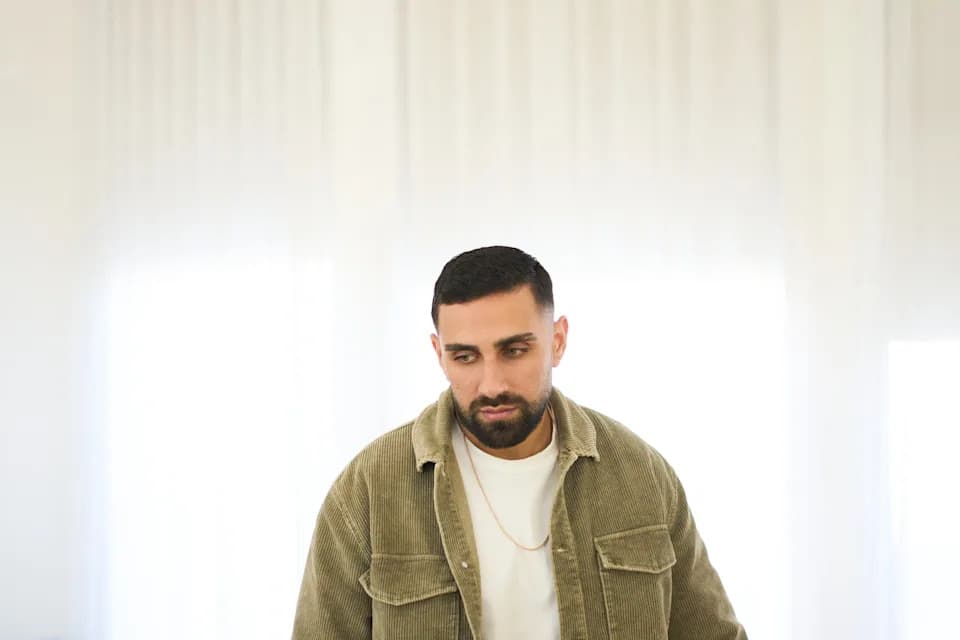
Ran "Rani" Gvili, 24, was killed while defending Kibbutz Alumim during the Oct. 7, 2023 attacks. His remains are believed to be in Gaza and their return would fulfill the initial phase of a multi-point ceasefire proposal that includes prisoner exchanges and increased aid. Gvili is remembered locally as "the Shield of Alumim," and his family continues to press for his return while fearing a prolonged uncertainty.
Last Remaining Israeli Hostage: Ran "Rani" Gvili Killed Defending Kibbutz Alumim as Family Awaits Return of Remains

Ran "Rani" Gvili: Remembered As A Protector
Ran "Rani" Gvili, a 24-year-old Israeli police officer, is believed to be the last Israeli whose remains are still held in Gaza after he was killed defending Kibbutz Alumim during the Oct. 7, 2023, attacks that sparked the war.
At the entrance to Kibbutz Alumim a plaque shows Gvili smiling in uniform with the inscription that he "fought a heroic battle" and is remembered locally as "Rani, the Shield of Alumim." Residents credit the swift response of emergency teams, soldiers and police officers, including Gvili, with preventing additional loss of life inside the kibbutz.
What Happened on Oct. 7
According to family members and fellow officers, Gvili — who had been on medical leave for a shoulder injury — rushed toward the violence after hearing of attacks near the Nova Music Festival. He and his team never reached Nova, instead encountering militants at Kibbutz Alumim, where he led a defensive action.
"The first to go, the last to leave," wrote his mother, Talik Gvili, on Facebook. "We won't stop until you come back."
Sgt. Richard Schechtman described how Gvili took the lead in the face of militants. His mother later said he radioed a warning about approaching vehicles, engaged militants on the western flank and was wounded in the leg and arm before he was taken into Gaza by the attackers. Israel's military later confirmed his death based on an intelligence assessment about four months after the fighting.
Civilians Killed And Broader Impact
The Nova Music Festival later became the site of the deadliest civilian massacre in Israel's history, where militants killed at least 364 people and abducted more than 40. Outside Alumim’s defenses, agricultural workers were especially vulnerable; Israeli press reported 22 foreign farmworkers were killed that day.
Ceasefire Process And The Family's Plea
The return of Gvili's remains is tied to the early stages of a negotiated, multi-point ceasefire proposal intended to include prisoner exchanges and increased humanitarian aid into Gaza. The plan's later phases — which proponents say would include international security arrangements and political steps — are expected to be complex and difficult to implement.
Gvili's family continues to hope for the return of his remains. They remember him as protective and playful: he loved playing guitar, joked often, and had a tattoo of the family dog, Luna, whom they now care for.
Lingering Fears
Both parents, Talik and Itzik Gvili, have expressed fear that their son’s case could become a prolonged uncertainty similar to other long-running cases, such as Hadar Goldin — whose body was returned many years after his death — or Ron Arad, who was abducted in 1988 and has never been found.
Note on sources: This article consolidates reporting from family interviews, Israeli authorities and media. An earlier version of the report incorrectly attributed the ceasefire proposal to a specific U.S. president; this version uses a neutral description of the 20-point ceasefire proposal to avoid presenting an unverified attribution.
Help us improve.