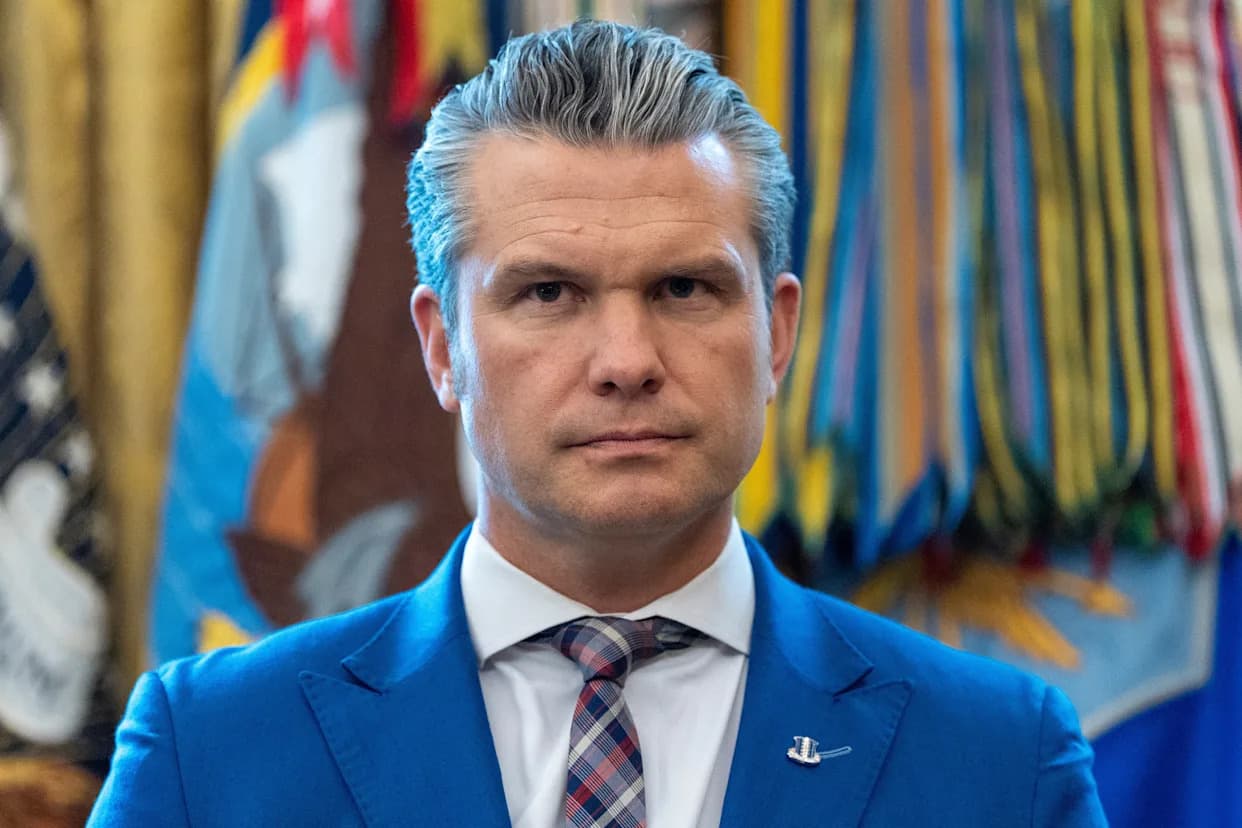
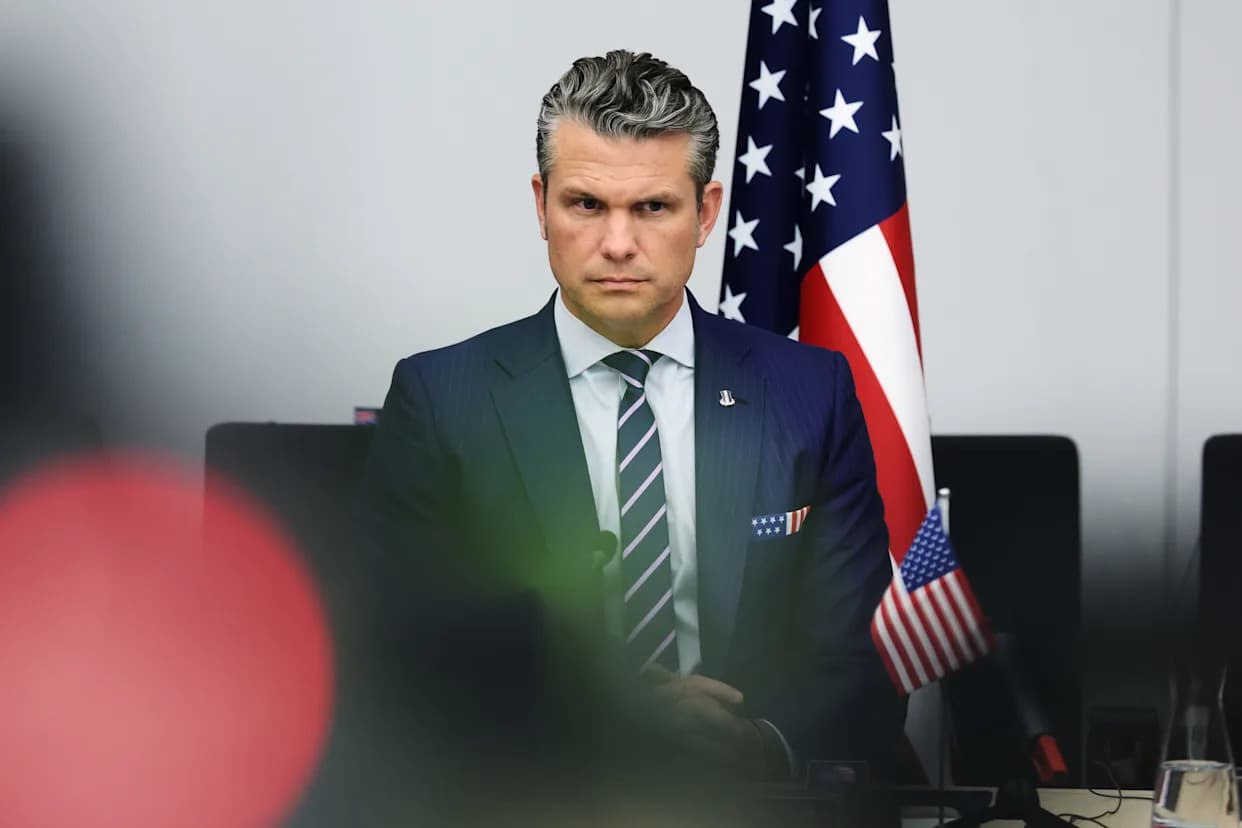
Pete Hegseth’s first ten months as Defense Secretary have been defined by controversy. An inspector general review flagged risky messaging practices, while his book and statements promote a ‘lethality-first’ doctrine that critics say undermines rules of engagement. Policy changes — including cuts to nonlethal programs and wider discretion for commanders — preceded reporting of a ‘‘double-tap’ strike’ that allegedly killed survivors of a suspected drug-boat attack. Bipartisan calls for hearings are underway; some critics say resignation is the only adequate response.
‘Lethality First’: How Pete Hegseth’s Ten Months as Defense Secretary Sparked Controversy and Calls for Accountability

Overview
In his first ten months as U.S. Defense Secretary, Pete Hegseth has presided over a series of controversies that have reshaped Pentagon policy and prompted bipartisan concern. Reporting and official reviews have raised questions about his communication practices, his public advocacy for a ‘lethality-first’ approach, and operational decisions that critics say loosened restraints on the use of force.
Signal, Messaging, and Official Concern
In March, a Pentagon inspector general review of Hegseth's use of the Signal messaging app concluded that his communications created risks to military operations and to service members. The report intensified scrutiny of how the secretary handles classified or sensitive discussions and whether his practices complied with Department of Defense rules.
‘Might Makes Right’ — Thematic Throughline
Hegseth’s 2024 book, The War on Warriors, and his public statements articulate a worldview emphasizing combat effectiveness over legal or procedural constraints. He criticizes what he calls 'academic rules of engagement' and has written that modern warfighters 'fight lawyers as much as we fight bad guys' and that 'our enemies should get bullets, not attorneys.' After a legal briefing advising caution in engaging armed individuals unless they posed a threat, Hegseth reportedly told colleagues he would not let that guidance 'filter into your brains' and urged a shoot-first approach when a threat is perceived.
Advocacy for Accused Service Members
Before joining the Pentagon, Hegseth publicly defended and lobbied for service members accused or convicted of battlefield crimes. He advocated clemency for Navy SEAL Eddie Gallagher and defended figures such as Matthew Golsteyn and First Lieutenant Clint Lorance — actions that signaled, to critics, a willingness to excuse or minimize alleged misconduct in combat.
Policy Changes and Operational Effects
Once in office, Hegseth prioritized what he framed as combat effectiveness: repeating the mantra 'Lethality, lethality, lethality' and publicly endorsing rebranding the Department of Defense around warfighting. He cut funding for nonlethal programs and ended department initiatives aimed at reducing civilian harm. He also shifted more discretion to field commanders on the use of force.
Those changes had tangible consequences. Reporting by Politico and others says Hegseth approved a more aggressive campaign against Houthi targets in Yemen — including options for targeted strikes the prior administration had rejected. According to reporting, the operations tied to that campaign resulted in more than 500 civilian casualties, including 158 deaths, compared with roughly 85 civilian casualties under the earlier approach.
Allegations of Unlawful Follow-Up Strikes
The most serious public allegation involves a September incident reported by The Washington Post, which described so-called 'double-tap' strikes that targeted survivors of an initial attack on suspected drug-smuggling boats. The Post reported that Hegseth had directed commanders watching for drug boats 'to kill everybody,' and that when a missile struck a suspected boat but left survivors in the water, some commanders allegedly fired again, killing those survivors. By widely accepted law-of-war standards — and by the Defense Department's own Law Manual — intentionally conducting hostilities 'on the basis that there shall be no survivors' would be unlawful. The reporting has prompted Republican leaders of the House and Senate Armed Services Committees to seek hearings.
Accountability, Politics, and Next Steps
Critics say Hegseth's rhetoric and policy choices created a permissive command climate that increased the risk of unlawful or reckless uses of force. Supporters argue he has prioritized combat effectiveness and operational flexibility in confronting transnational threats. Congressional hearings are underway or being requested, and some observers have called for Hegseth's resignation; others say hearings should determine facts before any personnel decisions are taken.
Note: This article summarizes reporting from the Pentagon inspector general, The Washington Post, Politico, and other outlets. Allegations — including those about unlawful strikes — remain subject to formal investigation and adjudication.
As investigations and hearings proceed, the central questions will be whether policy changes authorized at the highest levels violated domestic or international law, whether individual commanders followed or abused their discretion, and what reforms are needed to prevent civilian harm while enabling legitimate operations against illicit traffickers and hostile actors.
Help us improve.