
Pentagon official Pete Hegseth is facing criticism after an Oct. 16 U.S. strike reportedly destroyed drugs and electronic evidence needed to prosecute survivors, forcing Ecuador to release one detained suspect. The Washington Post reports that seized narcotics, GPS logs and phones sank or were obliterated, leaving prosecutors without proof. Critics say the outcome clashes with Hegseth’s tough rhetoric and raises legal and operational questions, especially after previous allegations of a controversial "double tap" strike.
Pentagon’s Pete Hegseth Faces Backlash After Boat Strike Sinks Key Evidence

Photo Illustration by Victoria Sunday/The Daily Beast/Getty Images
Pentagon official Pete Hegseth is under scrutiny after a U.S. strike on Oct. 16 reportedly destroyed evidence that prosecutors needed to pursue criminal charges against survivors of the strike.
What Happened
According to a Washington Post report, a bombing ordered under Hegseth targeted a vessel the Pentagon believed was transporting narcotics from Ecuador. The strike killed two people and left two survivors, one of whom—Andrés Fernando Tufiño Chila, an Ecuadorian national—was detained by U.S. forces and later returned to Ecuador for prosecution.
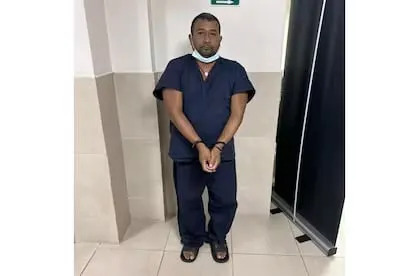
Andrés Fernando Tufiño Chila was let go by the Ecuadorian government, as the U.S. destroyed any evidence that could have supported he committed a crime. / Ministerio del interior de Ecuador
Evidence Lost
Prosecutors in Ecuador were reportedly unable to pursue charges because key material evidence—seized drugs, GPS logs and cell phones—was destroyed in the attack or sank, leaving local authorities without the items needed to substantiate criminal allegations. The Washington Post says Ecuadorian officials ultimately released Chila for lack of evidence.
Responses And Context
Representative Joaquin Castro (D-Texas), a member of the House Intelligence and Foreign Affairs Committees, questioned the operation’s outcome:
"If these people were drug traffickers and deserving of death, how is it that you would pick them up and just let them go?"

Hegseth staked his reputation and his job on the effectiveness of the boat strikes. / Andrew Caballero-Reynolds/AFP via Getty Images
The Pentagon told The Washington Post it stands by its intelligence assessment that the vessels were trafficking narcotics and that the individuals involved were narco-terrorists.
This incident has revived criticism of Hegseth’s aggressive strike posture, including previously reported controversies over an alleged "double tap"—a second strike that reportedly killed survivors of an initial attack—and accusations that orders amounted to a "kill them all" approach. Those earlier reports prompted debate about legality and oversight.
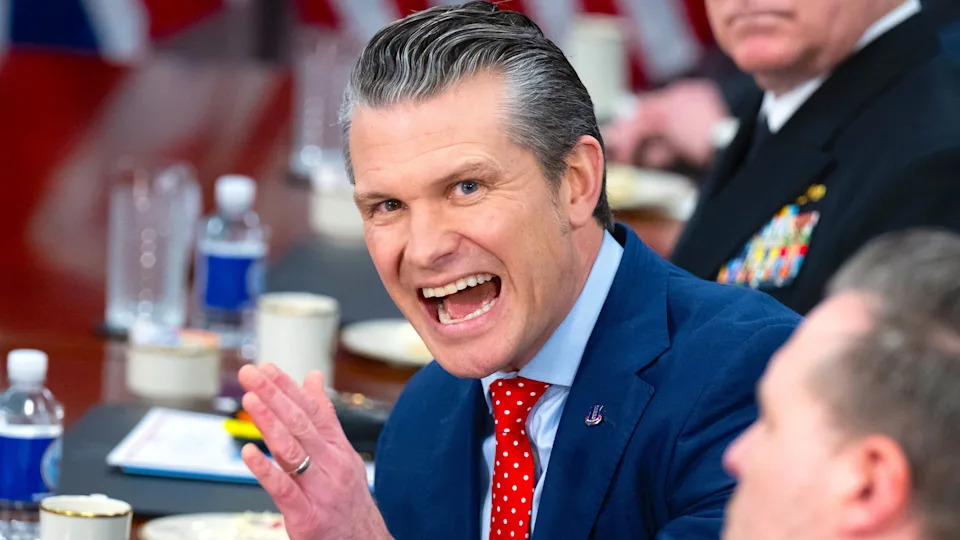
Hegseth has racked up controversies and embarrassments in one year as Secretary of Defense. / Saul Loeb/AFP via Getty Images
Political Fallout
President Trump has publicly supported Hegseth while saying he was unaware of specific details of the second strike. The episode has amplified questions about operational safeguards, evidence preservation and cooperation with partner nations when U.S. forces conduct strikes that may produce criminal cases abroad.
What Comes Next
The case raises procedural and legal issues for how strike operations are planned and coordinated with local prosecutors. Critics argue that destroying or failing to secure evidence undermines accountability and prosecutions, while the Pentagon maintains its operational assessments and the need to disrupt drug trafficking.


