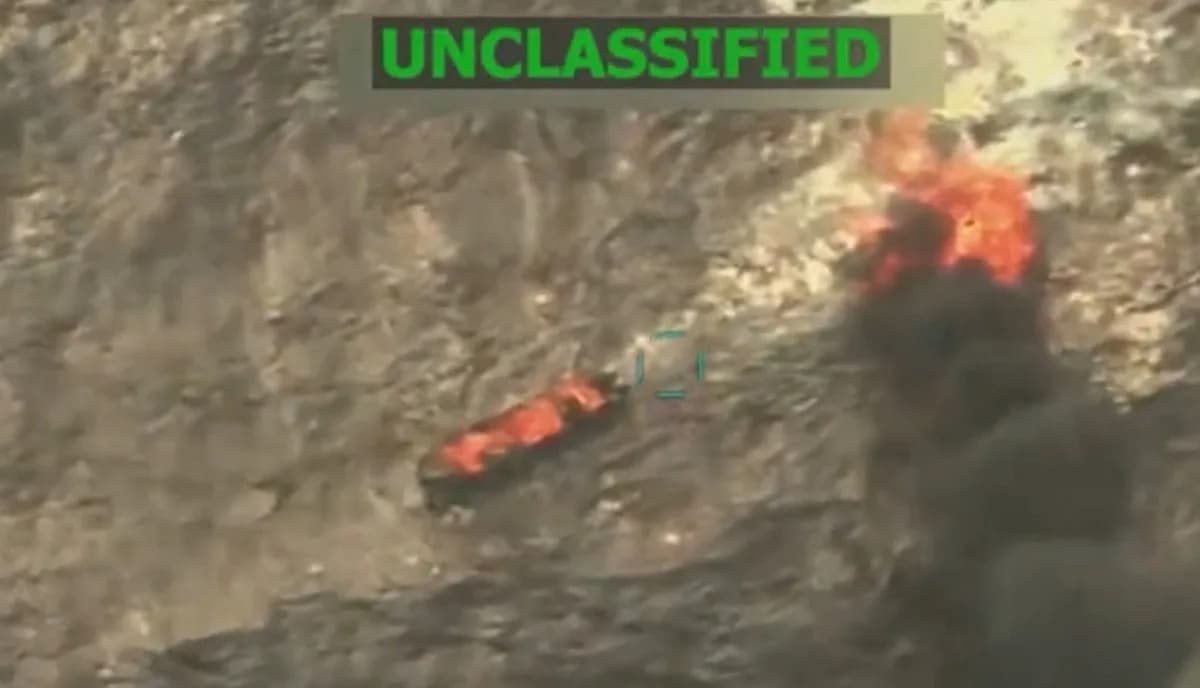
Admiral Frank M. Bradley will tell lawmakers in a classified briefing that two survivors of a Sept. 2 U.S. strike in the Caribbean were valid targets for a follow-up attack because their vessel was believed to still hold illegal narcotics. The initial strike killed 11 suspected traffickers and the follow-up has drawn bipartisan scrutiny and legal questions. Defense Secretary Pete Hegseth defended the decision despite not seeing the second strike, while former President Trump expressed mixed comments. Congress is probing a wider campaign of roughly 20 strikes that have killed more than 80 people.
Admiral Will Tell Lawmakers Survivors Of Caribbean Strike Were Lawful Targets, Prompting Legal Scrutiny

Admiral To Brief Lawmakers On Contested Follow-Up Strike
A senior U.S. military commander is expected to tell lawmakers in a classified briefing that two survivors of a Sept. 2 strike in the Caribbean were legitimate targets for a follow-up attack because their vessel was still believed to contain illegal narcotics, a U.S. official told Reuters.
The initial early-September operation killed 11 people the U.S. military described as suspected drug traffickers. U.S. officials have said a second strike was carried out against the same vessel — a decision that has prompted bipartisan questions in Congress and concerns among legal experts about the operation's legality and rules of engagement.
Who Will Testify: Admiral Frank M. Bradley, who led Joint Special Operations Command at the time of the strike and now heads U.S. Special Operations Command, is scheduled to appear in a closed-door briefing. He is expected to tell lawmakers that the two survivors were perceived as capable of continuing to traffic narcotics and therefore constituted valid military targets, according to a U.S. official familiar with the matter. Bradley will be joined by the Chairman of the Joint Chiefs of Staff, General Dan Caine.
The Pentagon did not immediately respond to requests for comment.
Wider Context And Reaction
Members of both parties have pressed for clarity about how and when the decision for a second strike was made. U.S. officials say there have been roughly 20 U.S. military strikes this year in the Caribbean and Pacific targeting suspected drug-smuggling vessels, operations that have killed more than 80 people.
Defense Secretary Pete Hegseth said he watched the first September strike in real time but did not see survivors in the water or the later lethal follow-up, which he described as occurring in the "fog of war." He defended Admiral Bradley's judgment, saying, "Admiral Bradley made the correct decision to ultimately sink the boat and eliminate the threat."
Former President Donald Trump told reporters on Air Force One that he would not have wanted the second strike, but later offered more measured support while saying he had not been aware a follow-up attack was carried out. U.S. officials have said Hegseth ordered lethal strikes on suspected drug vessels as part of a broader administration campaign that has treated suspected traffickers as akin to terrorists, a stance that has alarmed many legal scholars.
The classified briefing aims to provide lawmakers with details about the operational assessments, the intelligence used, and the legal rationale for the follow-up strike as Congress continues to probe the campaign.
Help us improve.