Orchardists in the Hawkesbury, NSW report flowering trees that are failing to set fruit, leaving growers with unusually poor yields. Experts point to multiple interacting causes — declines in wild bee populations after varroa mites, possible lingering effects of 2019 fire retardants, and warmer-than-average spring temperatures — rather than a single explanation. Growers and scientists are investigating while urging actions to protect pollinators, adopt sustainable practices and reduce emissions to safeguard future harvests.
“The Fruit Just Isn’t There”: NSW Orchardists Warn Flowers Are Failing to Set
Orchardists around the Hawkesbury region of New South Wales report an unusually poor spring: trees are flowering and bees are active, yet fruit is failing to form. Growers say the season feels different from familiar challenges such as drought, flood, fire and hail.
What growers are seeing
Growers describe trees full of blossoms but producing few or no harvestable fruit. Joanna Galbraith of Pine Crest Orchard summed up the situation plainly:
"The fruit just isn't there," she said. Her father, John Galbraith, a grower of peaches, apples and cherries for six decades, adds that this problem doesn’t match past seasonal extremes — it appears to be a more complex, multi-factor issue.
Possible causes
At a recent pollination workshop, scientists and local producers listed several potential contributors, including:
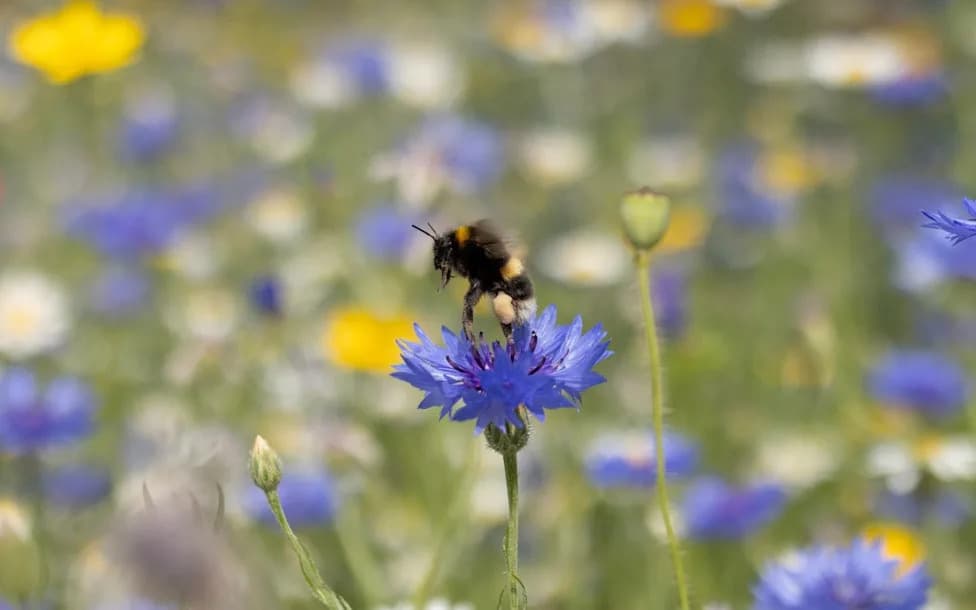
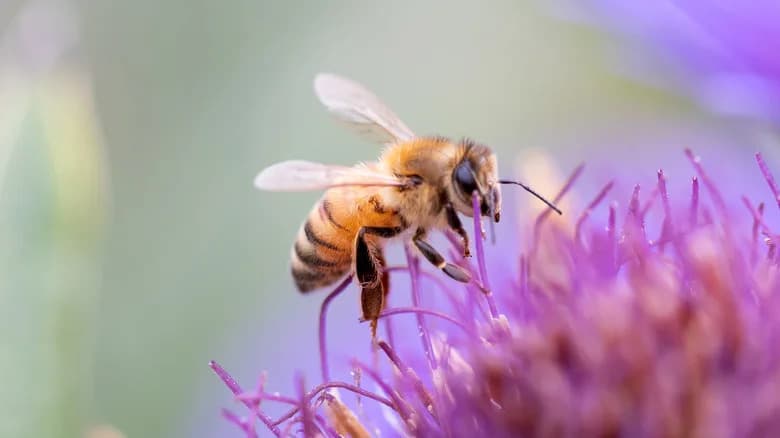
- Declining wild pollinators: Wild European bee numbers have fallen dramatically after the arrival of varroa mites, which may have altered pollination patterns or reduced pollination services in some areas.
- Residual fire retardants: Some growers worry that residues from fire retardants used during the 2019 Black Summer bushfires could still affect flowering or pollinator behaviour in affected landscapes.
- Warmer-than-average spring temperatures: Unseasonal warmth can disrupt the timing between flowering and effective pollination, reducing fruit set.
- Chemical and biological interactions: Pesticide exposure, habitat loss and other environmental stressors may interact with weather and pests to weaken pollination services and plant reproductive success.
Why this matters
When flowers fail to set fruit, growers face reduced yields and lost income, while local food supplies tighten and prices can rise. The situation in NSW illustrates how interconnected environmental pressures — many intensified by human-driven climate change — can undermine agricultural productivity and food security.
Practical responses and next steps
Growers, researchers and extension services are continuing to monitor orchards and investigate causes to develop targeted responses. Recommended measures include reducing unnecessary pesticide use, restoring and protecting pollinator habitat, encouraging diverse farm management practices, and supporting research into long-term effects of fire retardants and shifting climate patterns.
Broader action to cut planet-warming emissions and transition to cleaner energy remains important to reduce the frequency and severity of climate extremes that stress both crops and pollinators. In the meantime, local communities can help by supporting nearby growers and championing pollinator-friendly practices.
Growers emphasize there is no single clear answer yet; the problem appears to be a combination of biological, chemical and climatic stressors that require coordinated research and practical adaptation.
Help us improve.