Sen. Rand Paul has escalated his public criticisms of President Trump, accusing fellow Republicans of being privately uneasy but too afraid to act. He has denounced maritime "boat strikes" as potentially unlawful, accused officials of misleading the public, and condemned the pardon of a convicted drug trafficker. Paul has also opposed major GOP spending measures over deficit concerns and warned against growing executive power — signaling an increasingly vocal libertarian dissent within the Senate GOP.
Rand Paul Amplifies GOP Dissent: Libertarian Senator Escalates Critique of Trump

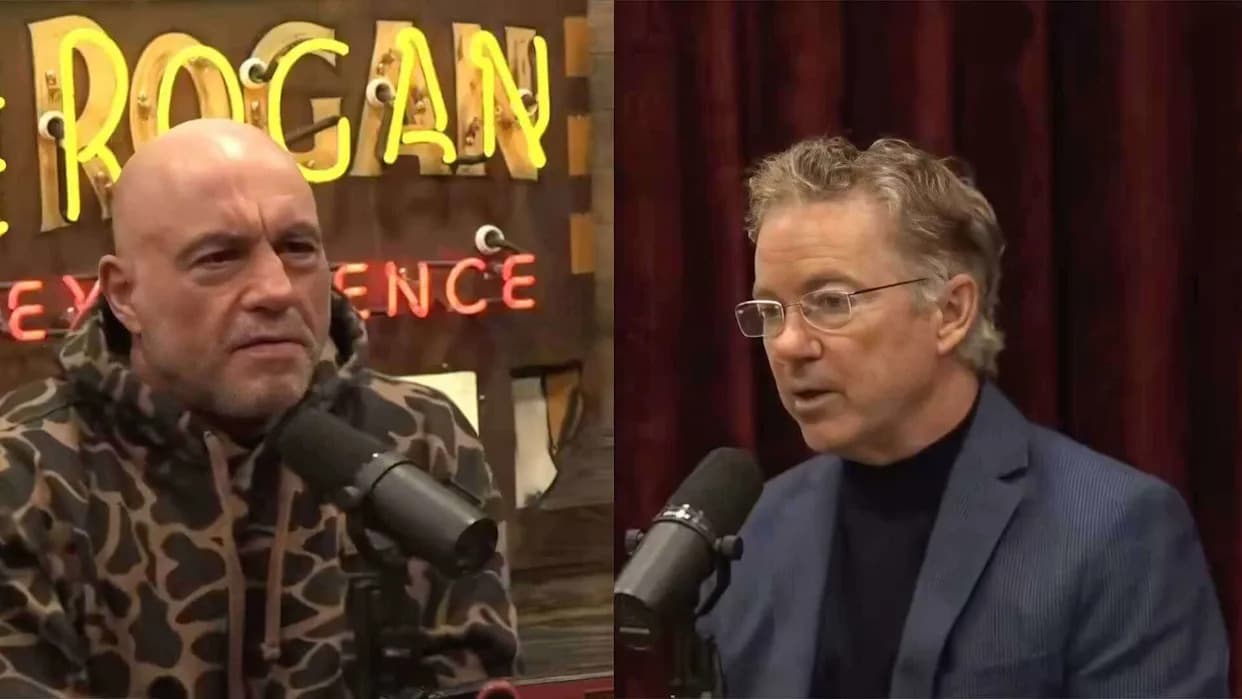
Sen. Rand Paul has grown markedly more vocal in his criticism of President Donald Trump, arguing that many congressional Republicans privately disagree with the administration but are too intimidated to speak out. In a recent interview with Reason magazine, Paul said farm-state senators privately oppose tariffs — "We are free trade, and this is killing our farmers" — but are unwilling to challenge the White House.
Paul has not only scolded colleagues for timidity — calling them "feckless" and "afraid of their own president" — but has repeatedly taken public aim at specific Trump administration actions that clash with small-government, civil‑liberties principles.
From tariffs to lethal strikes
Over the past months Paul has criticized the administration's maritime "boat strikes" on suspected drug traffickers, calling the initial October strikes legally dubious and labeling them "extrajudicial killings." After reporting surfaced of a possible second, so‑called "double‑tap" strike, Paul publicly questioned whether Defense Secretary Pete Hegseth had misled the public, asking on the Senate floor, "So as a country, we're just going to let people lie to us, to our face?" He also warned the strikes could be used as a pretext for escalation or even war with neighboring countries like Venezuela.
"What a despicable and thoughtless sentiment it is to glorify killing someone without a trial," Paul wrote on X in response to praise for the strikes.
Pardons, bailouts and executive power
Paul also condemned President Trump's pardon of former Honduran president Juan Orlando Hernández — a convicted drug trafficker — arguing the move exposed a moral double standard. While some Republicans defended the legal authority to pardon, Paul emphasized the human cost, saying Hernández could be linked to "hundreds, if not thousands of deaths." He called the pardon one more sign of an administration increasingly comfortable centralizing power and sidestepping due process.
On other fronts, Paul has criticized Trump's proposed bailout to Argentina, the proposed military parade, attempts to pressure media figures such as Jimmy Kimmel, and what Paul calls the president's use of "lawfare" against opponents.
Fiscal and trade disagreements
Domestically, Paul has been a frequent GOP dissenter on spending. He was the lone Republican holdout on a recent party policy bill and voted against government funding measures over deficit concerns, arguing the party should still care about limiting spending. On trade, Paul dismissed the trade deficit as "a statistic that means absolutely nothing" and warned that misunderstanding the economic foundations of U.S. prosperity undermines efforts to "make America great again." He has also worked across the aisle with Democrats to try to rein in aspects of the president's executive authority.
Why Paul stands out
Paul's consistent pushback echoes a libertarian strain within the GOP exemplified in the House by Rep. Thomas Massie, who forced release of the Jeffrey Epstein files, and — at times — by other maverick conservatives. Libertarian Republicans tend to prioritize civil liberties, limited government and free markets, so several of Trump's second‑term moves — increased executive power, deportations without hearings, and pressure on institutions — naturally provoke resistance from that quarter.
Whether Paul and like‑minded Republicans can shift policy or alter party dynamics is uncertain. Visible dissenters can influence public debate and remind voters that the GOP contains diverse viewpoints; Paul appears intent on keeping those differences in the spotlight.
Bottom line
Rand Paul has transitioned from occasional critic to regular, outspoken opponent on numerous policy fronts. His objections span foreign policy, civil liberties and fiscal discipline, positioning him as a prominent libertarian voice of resistance within the Senate GOP.
Help us improve.