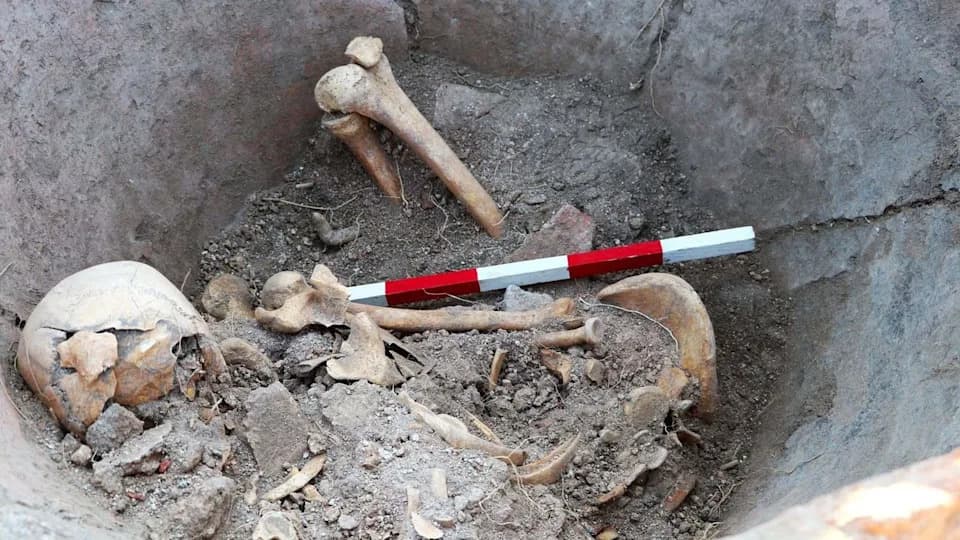
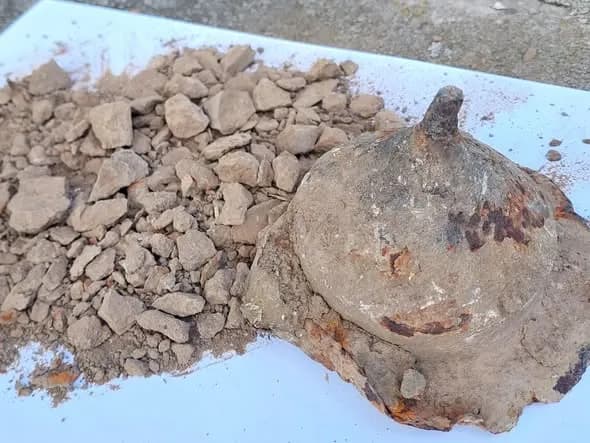
The Budapest History Museum excavated a limestone Roman sarcophagus in Óbuda that had remained sealed for roughly 1,700 years. Inside conservators found a complete skeleton and rich grave goods—including glass vessels, bronze figurines, 140 coins, amber jewelry and gold-threaded fabric—suggesting the deceased was likely female and of high status. The coffin was hermetically sealed with metal clamps and molten lead and contains a 1.5-inch layer of mud that will be sifted for smaller items. Excavators also found eight simpler graves and remains of a Roman aqueduct, linking the burial to a civilian settlement near a legionary camp in Aquincum.
Sealed for 1,700 Years: Intact Roman Sarcophagus with Skeleton and Rich Grave Goods Found in Budapest

Archaeologists from the Budapest History Museum have opened a limestone Roman sarcophagus in Óbuda that remained sealed and undisturbed for about 1,700 years. The coffin was recovered during excavations at Aquincum, a Roman settlement on the site of modern Óbuda, and lay among the ruins of houses emptied when the town was abandoned in the third century C.E.
When conservators removed the metal clamps and the molten lead that hermetically sealed the lid, they found a complete human skeleton and an unusually rich assemblage of grave goods.
Recorded items include:
- two intact glass vessels
- several bronze figurines
- 140 coins
- a bone hairpin
- amber jewelry and fragments of a gold-threaded textile roughly the length of the skeleton
On the basis of these objects and their customary meanings in Roman burial practice, researchers infer the deceased was probably female. The sarcophagus also contained a 1.5-inch layer of mud; conservators will sift that sediment carefully in hopes of recovering small items such as earrings or other jewelry not immediately visible.
Gergely Kostyal, Roman-period specialist and co-leader of the project, said: "It is truly rare to find a sarcophagus like this, untouched and never used before, because in the fourth century it was common to reuse earlier sarcophagi. It is quite clear that this sarcophagus was made specifically for the deceased."
Gabriella Fényes, the lead archaeologist on the excavation team, emphasized the coffin's intact condition: "It was not disturbed previously, so it was intact." She added that the quality of the sarcophagus and the grave goods suggest the deceased came from a family of means or held elevated status in the local community.
In the same trench, the team also uncovered eight simpler graves and the remains of a Roman aqueduct. Given Aquincum's location beside the Danube in the Roman province of Pannonia and evidence of a nearby legionary camp, researchers believe the burial belonged to a civilian settlement associated with the military presence.
Why this discovery matters
An undisturbed sarcophagus provides an unusually clean archaeological context for studying late Roman funerary practices, textiles, personal ornaments and the health and diet of individuals from the period. Conservators and specialists will perform laboratory analysis of the human remains, artifacts and the coffin sediment to refine dating, explore the individual’s life and social identity, and learn more about everyday life in late Roman Pannonia.
The Budapest History Museum plans to publish detailed conservation results after laboratory study is complete.
Help us improve.