Key points: Dan Kovalik filed a petition with the IACHR on behalf of the family of Alejandro Carranza, alleging Carranza was killed by a U.S. strike on Sept. 15 while fishing. The complaint accuses U.S. officials, names Defense Secretary Pete Hegseth, and alleges the conduct was ratified by President Trump. Since early September, at least 22 U.S. strikes on suspected drug-trafficking boats in the Caribbean and Pacific have reportedly killed 83 people. The IACHR has expressed concern and could recommend investigations, prevention measures and reparations if it accepts the petition.
Colombian Family Files First IACHR Complaint Alleging Extrajudicial Killing in U.S. Strike

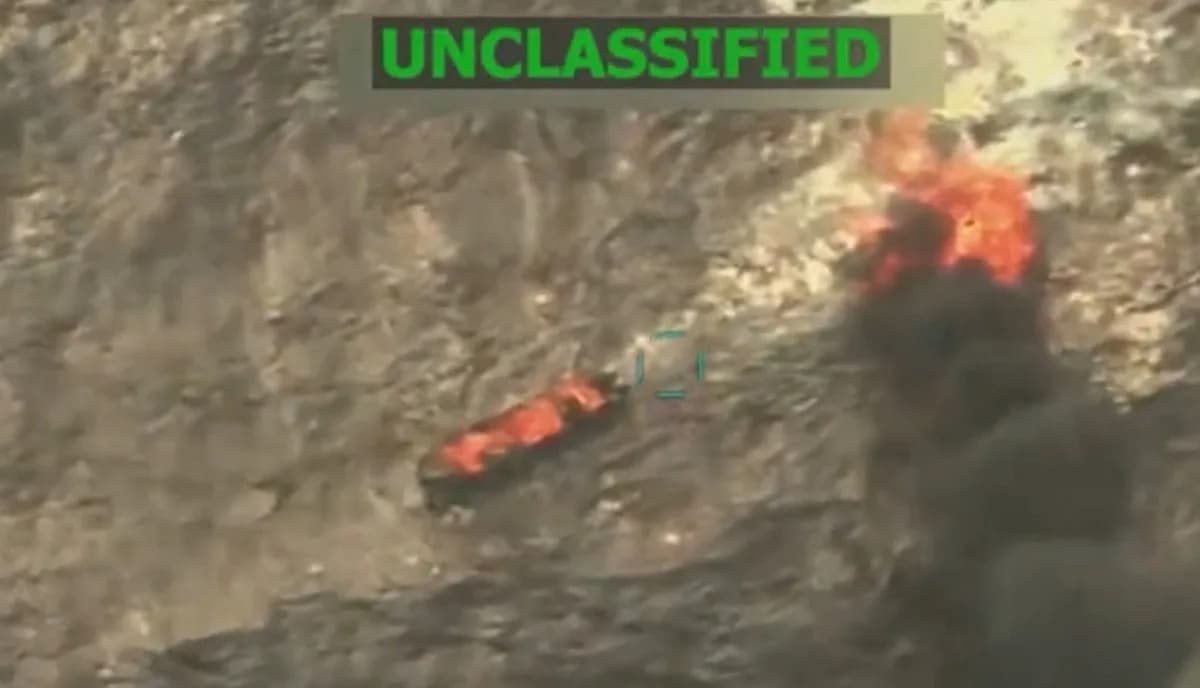
The relatives of Colombian fisherman Alejandro Carranza have filed what appears to be the first formal complaint to the Inter‑American Commission on Human Rights (IACHR) challenging U.S. strikes on vessels in the Caribbean and Pacific. The petition, submitted by U.S. human-rights attorney Dan Kovalik, alleges Carranza was killed when U.S. forces struck his boat off Colombia's coast on Sept. 15 while he was fishing for marlin and tuna.
Allegations and demands: The filing accuses the United States of carrying out an extrajudicial killing in violation of Carranza's human rights. It names U.S. Secretary of Defense Pete Hegseth as responsible for ordering attacks on boats like Carranza's and alleges that the conduct was ratified by U.S. President Donald Trump. The petition seeks compensation for Carranza's family and an end to such strikes.
"These killings are against international law. They are against U.S. law. We want this to stop, and we think this is at least a first step to having that happen," Kovalik said.
Context: Since early September, U.S. forces have conducted at least 22 strikes on boats accused of drug trafficking in the Caribbean and Pacific, actions U.S. officials say have killed at least 83 people. U.S. authorities have defended the operations by saying the vessels carried individuals linked to multiple drug cartels and argued their actions "comply fully with the Law of Armed Conflict." President Trump described the Sept. 15 strike as having killed three "narcoterrorists from Venezuela" who were allegedly transporting drugs to the United States.
Conflicting accounts: Kovalik and Colombian President Gustavo Petro describe Carranza as a lifelong fisherman. Petro said Carranza's boat had displayed a distress signal due to engine trouble; he later acknowledged Carranza may have accepted payment to transport prohibited goods because of financial need but stressed that did not justify execution. Petro announced that Kovalik would provide "judicial defense" to Carranza's family and called for a commission of Colombian lawyers to investigate what he characterized as potential crimes at sea.
IACHR role and next steps: The IACHR accepts petitions from people alleging human-rights violations and can issue recommendations to the state concerned to prevent recurrence, investigate the facts and provide reparations. The commission issued a statement the same day expressing concern about the U.S. strikes and urging the United States to ensure that security operations conducted beyond its borders comply with international human-rights obligations, including protections for the right to life, limitations on use of force, due process guarantees and accountability mechanisms.
Kovalik said the petition filed on behalf of Carranza's wife and children is the first formal challenge to these maritime strikes in the Caribbean and Pacific and that he expects additional petitions to follow as families seek accountability. He has previously represented President Petro in legal matters; Petro denies allegations that he played a role in the global illicit drug trade.
What this could mean: If the IACHR accepts the petition, it may open a formal review and make recommendations to the United States. The case highlights broader legal and human-rights questions about the rules governing cross-border maritime operations, civilian protection and how states investigate and compensate victims when strikes result in loss of life.
Help us improve.