The West Virginia Board of Education has reinstated the state’s school vaccination requirement after the state Supreme Court stayed a lower-court order that would have allowed religious exemptions during ongoing litigation. Judge Michael Froblein had temporarily permitted students of families claiming religious objections to attend school and participate in activities, and he certified the case as a class action covering about 570 families. The Board said it will not accept religious exemptions until the Supreme Court provides further guidance, while the governor’s office reviews the stay.
West Virginia Reinstates School Vaccine Rule, Blocks Religious Exemptions While Supreme Court Reviews Case

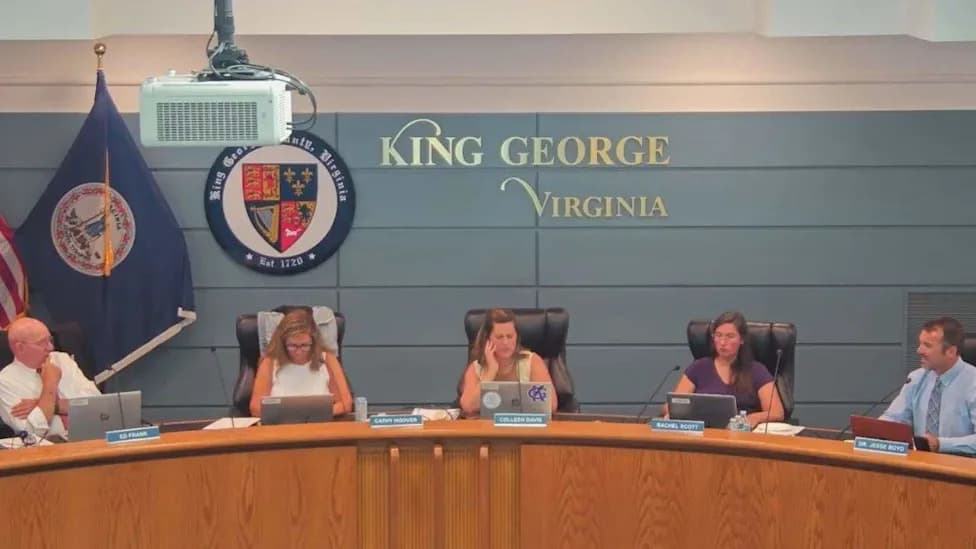
The West Virginia Board of Education on Tuesday reinstated the state’s school vaccination requirement after the West Virginia Supreme Court stayed a lower-court order that would have allowed parents to claim religious exemptions while the case proceeds.
What happened
Raleigh County Circuit Judge Michael Froblein had temporarily enjoined enforcement of the state’s compulsory vaccination law for families asserting religious objections, allowing their children to attend school and participate in extracurricular activities while the litigation continued. The state Supreme Court issued a stay of that order pending resolution of appeals, and the Board of Education announced it would again instruct county school boards not to accept religious exemptions until the high court provides further guidance.
Legal and political background
Froblein’s ruling found that a policy barring religious exemptions conflicted with the Equal Protection for Religion Act, a 2023 law signed by then-Gov. Jim Justice. Earlier this year, Republican Attorney General candidate Patrick Morrisey issued an executive order in January allowing religious exemptions; in June the Board of Education directed public schools to ignore that order. Two advocacy groups sued over Morrisey’s directive, arguing the Legislature, not the governor, must make such policy changes.
The state Senate approved legislation to permit religious exemptions, but the House of Delegates rejected the bill. In his ruling Froblein said the Legislature’s failure to enact that change did not determine how the 2023 law applies and rejected the argument that only the Legislature can create religious exemptions.
Who is involved
The suit was brought by parents including Miranda Guzman against the state and local boards of education and the Raleigh County school superintendent. Guzman had obtained a religious exemption from the state health department for the 2025–26 school year, only to have the local superintendent rescind that certificate on June 17, according to the complaint. Last month Froblein certified the lawsuit as a class action covering about 570 families who previously obtained religious exemptions and parents who may seek exemptions in the future.
“The Board’s priority is to ensure compliance with the vaccine law and to safeguard the health and well-being of all students across West Virginia,” the Board said in a statement announcing the reinstatement.
Context and next steps
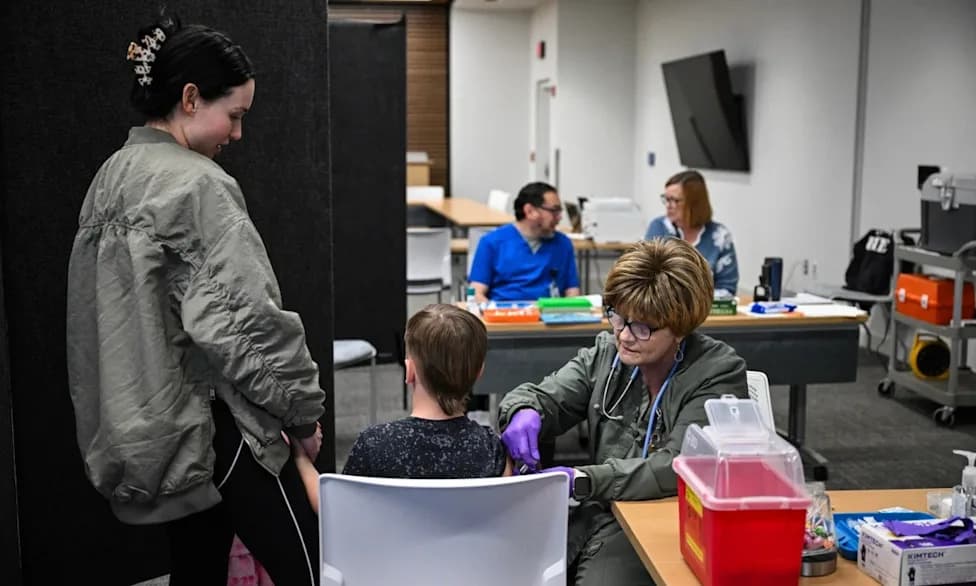
West Virginia requires children to be vaccinated against chickenpox, hepatitis B, measles, meningitis, mumps, diphtheria, polio, rubella, tetanus and whooping cough before starting school. The state’s policy has long been regarded by public health experts as one of the most protective in the nation.
The Supreme Court’s stay means the Board’s directive will remain in effect until the court issues further guidance or resolves the appeals. The governor’s office said it is reviewing the high court’s order. The legal fight raises broader questions about how state laws that protect religious exercise intersect with public-health mandates—an issue about which at least 30 states have passed laws modeled on the federal Religious Freedom Restoration Act.
Help us improve.