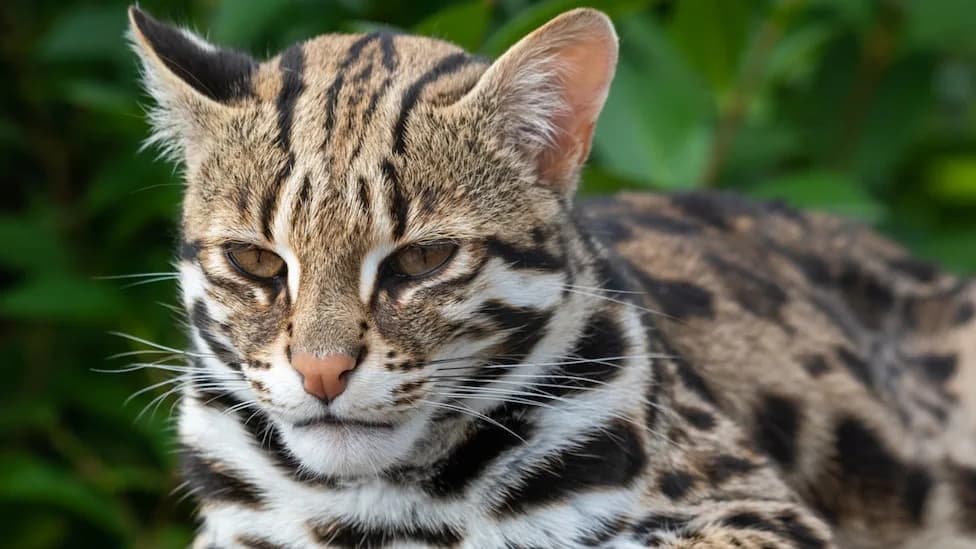
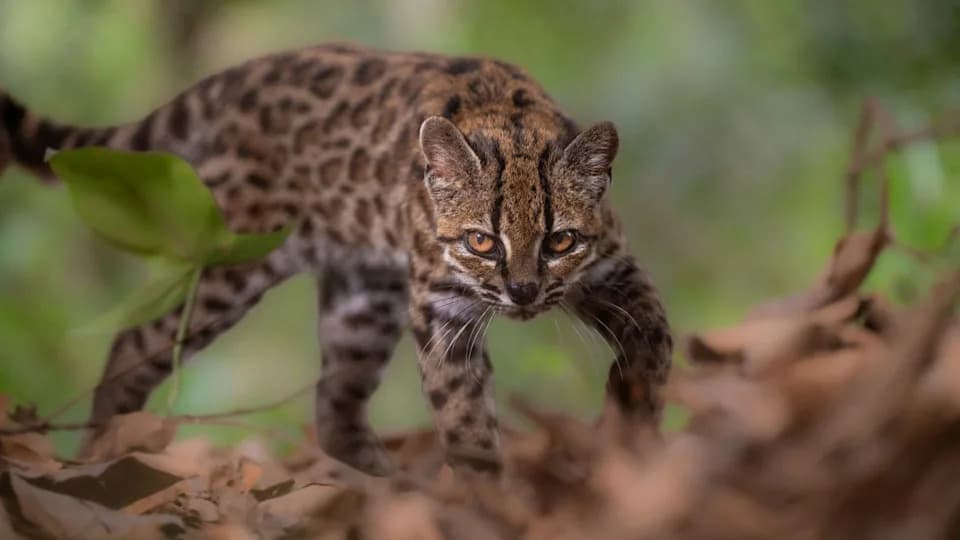
Genetic testing of an ocelot killed on a Texas road in 2021 found seven markers associated with Texas populations and two linked to Mexican ocelots, raising the possibility of previously undetected individuals beyond the known range. Scientists are split: some view the result as hopeful evidence of hidden groups, while others caution a single sample may reflect an individual dispersal event. Conservationists emphasize habitat protection, reduced road mortality and cross-border coordination as essential for any recovery.
Rare ocelot DNA from 2021 roadkill hints at hidden Texas individuals — experts urge caution

Ocelots, medium-sized wild cats that resemble miniature jaguars, once ranged widely across South Texas. After decades of habitat loss, hunting and road fatalities they have been federally listed as endangered for more than 50 years; wildlife officials estimate roughly 100 remain in South Texas.
Genetic analysis of an ocelot killed by a vehicle in 2021 has raised the possibility that more individuals—or even undiscovered groups—may exist beyond the species' known Texas range. The specimen, found roughly 50 miles from known ocelot habitat, carried all seven genetic markers typical of Texas ocelot populations and two markers commonly found in Mexican populations, suggesting potential genetic connectivity across the border.
Researchers are divided on how to interpret the result. Biologist Dr. Mike Tewes says the markers make it clear the animal was not a captive, but he urges caution about broader conclusions from a single sample: he has observed solitary ocelots traveling long distances when foraging, though such movements usually extend to about 30 miles. Other scientists see hope that the mixed genetic signature could indicate remnant or previously undetected groups in remote areas.
All experts agree on the urgent conservation needs. Habitat fragmentation, road mortality and human development remain the primary threats to ocelots. Protecting and restoring habitat corridors, reducing vehicle collisions and coordinating cross-border conservation efforts are among the measures that could support recovery, as similar actions have helped other threatened species rebound.
"Ocelots are holding their last stand against human development occurring at unprecedented rates in South Texas," said Sharon Wilcox, senior Texas representative for Defenders of Wildlife. "These cats need wild spaces and places to roam and this documented sighting gives us hope that they are holding on in the wildest corners of our region."
Beyond preserving an iconic species, conserving ocelots benefits broader ecosystem health: by preying on rodents they help limit species that can transmit disease. Continued genetic monitoring, targeted field surveys and habitat protection will be needed to determine whether this DNA points to additional residents or reflects a lone dispersing individual.
Help us improve.