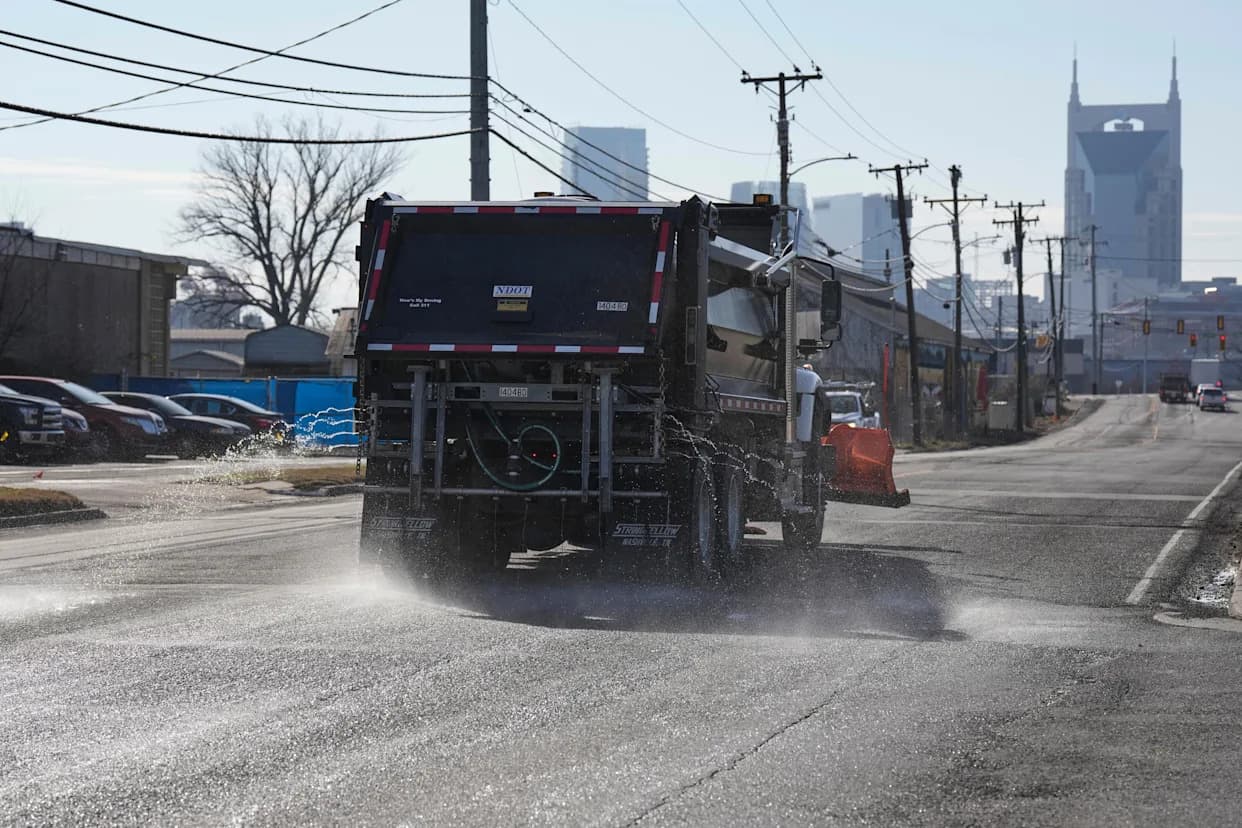
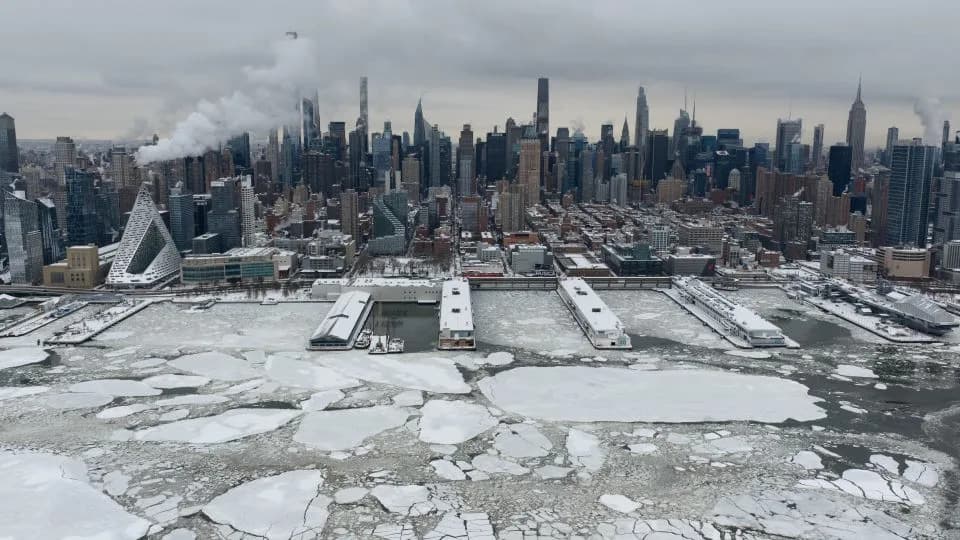
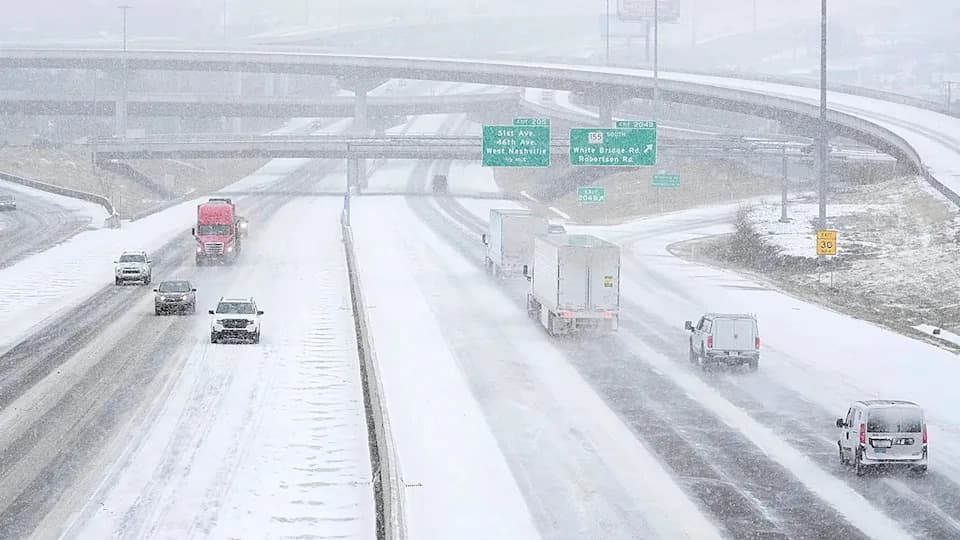
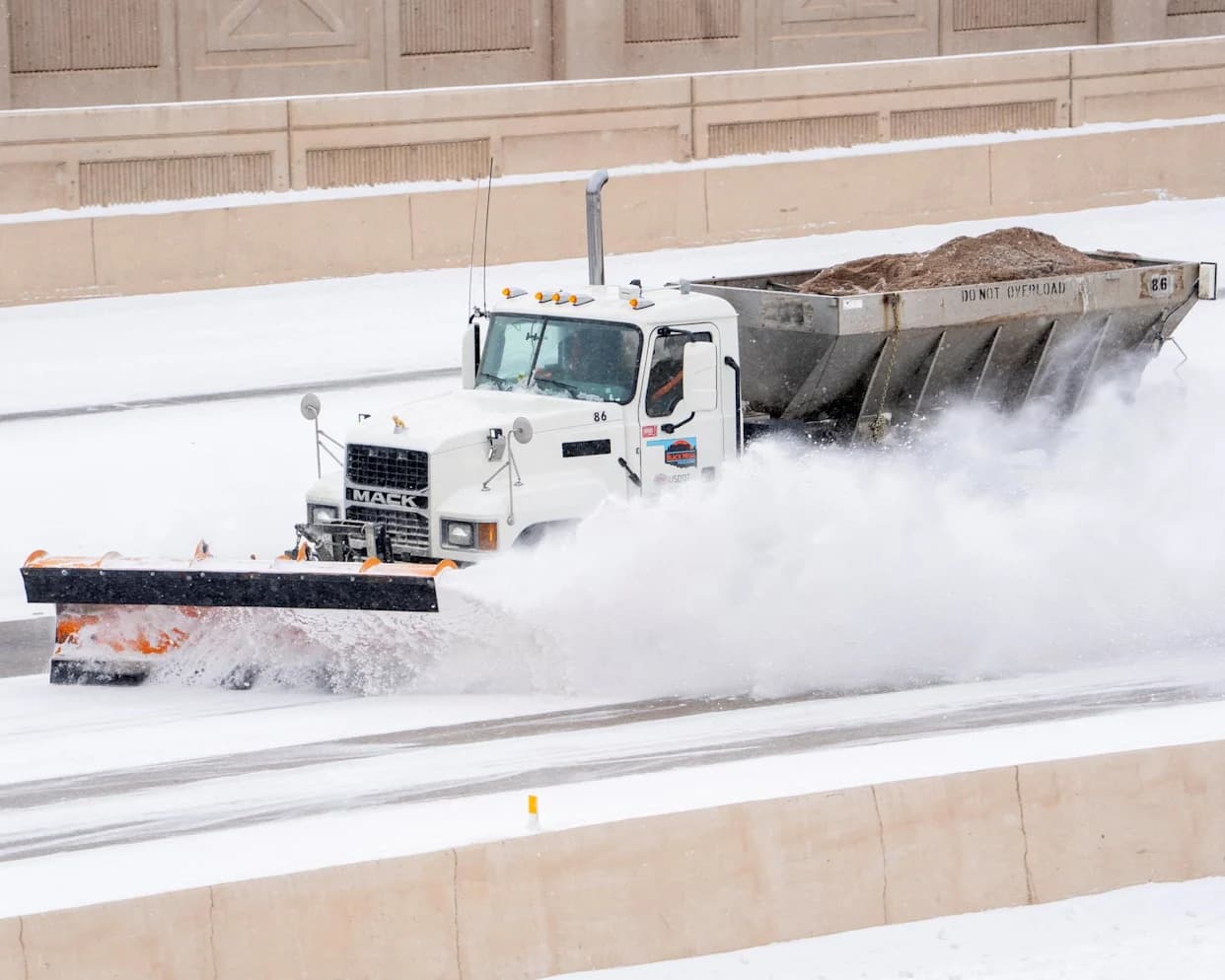
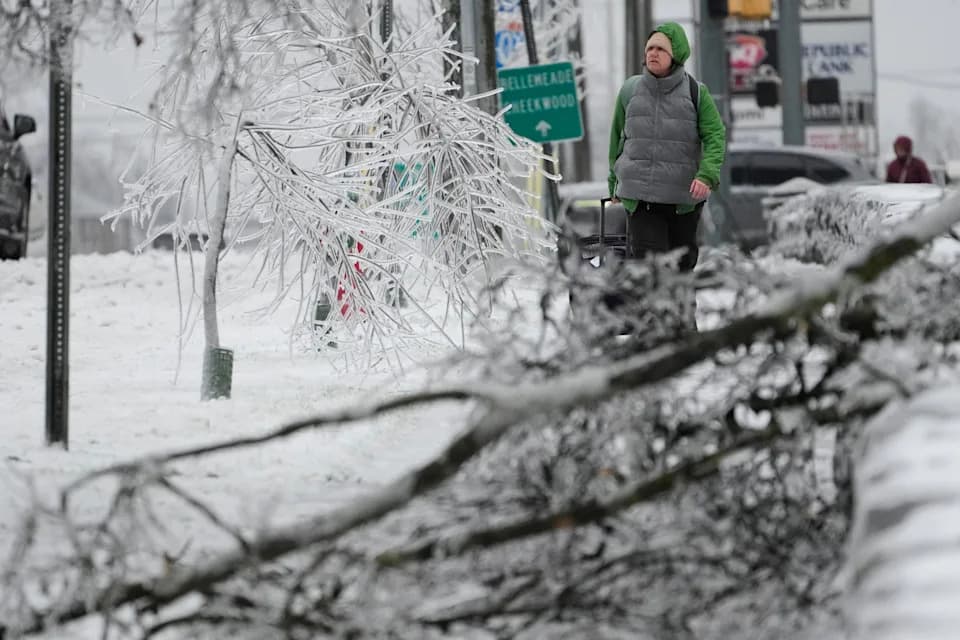
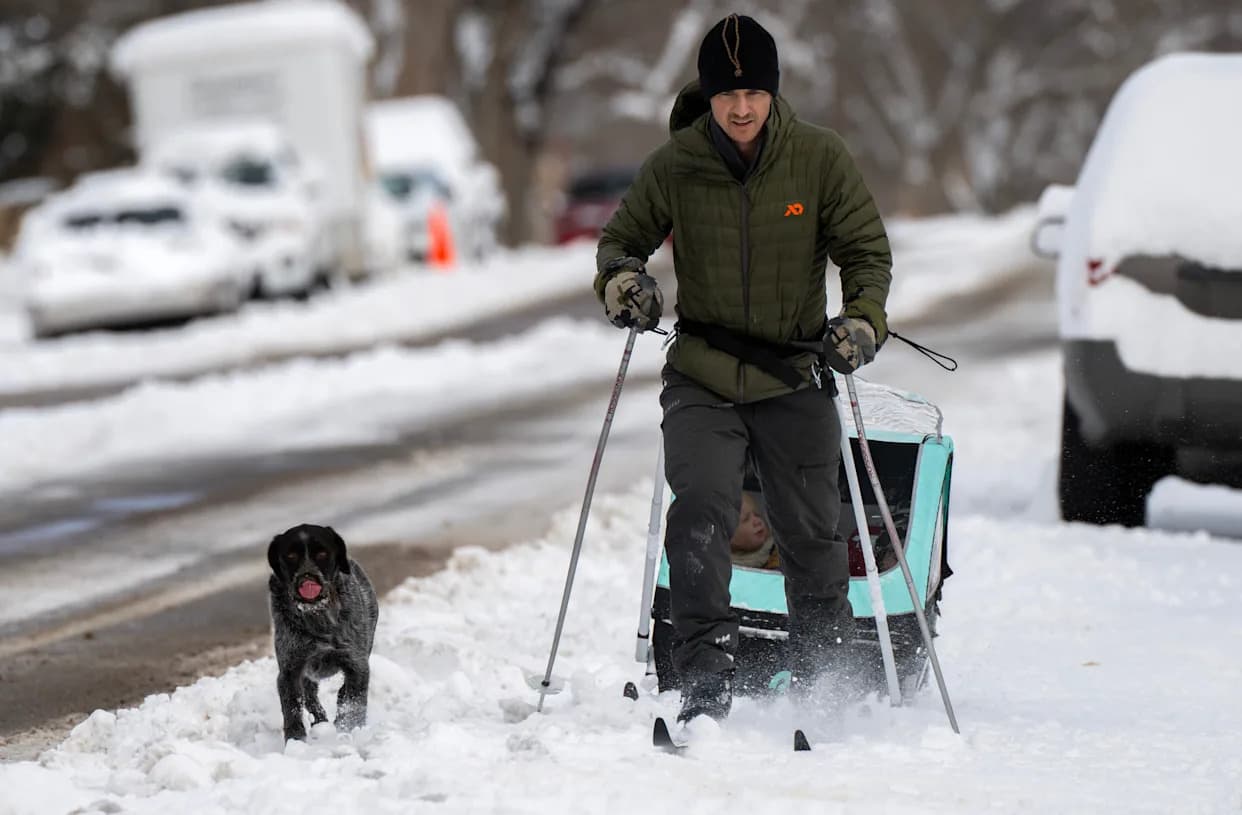
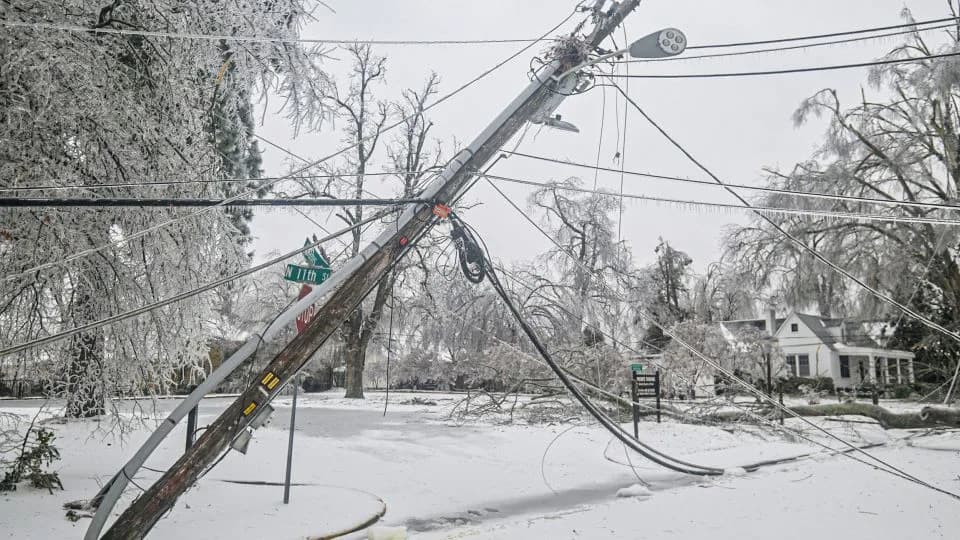
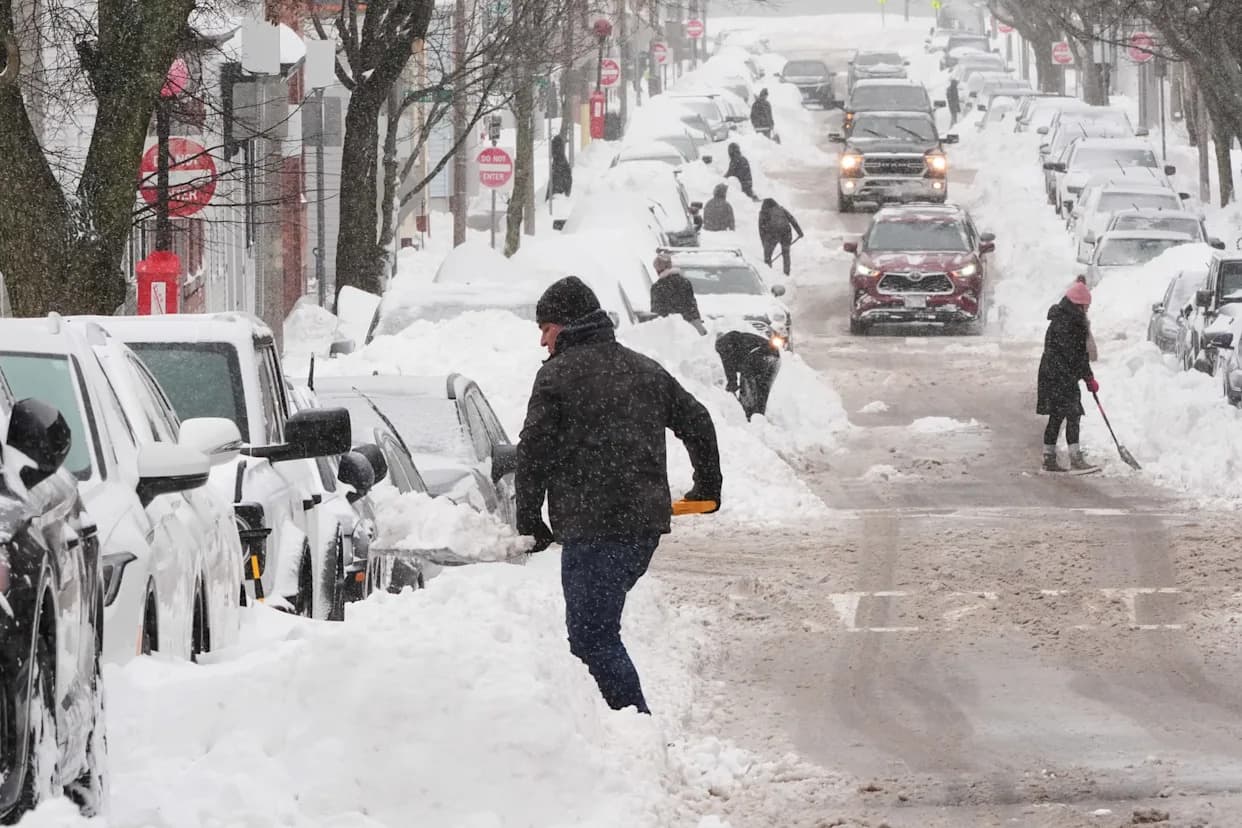
Nearly 60 million people across the United States are under winter-weather alerts as a powerful storm moves up the East Coast and is forecast to intensify rapidly into a bomb cyclone. The system is causing widespread travel disruptions, dangerous road conditions and power outages in multiple regions.
1. Severe winter storm is snarling travel
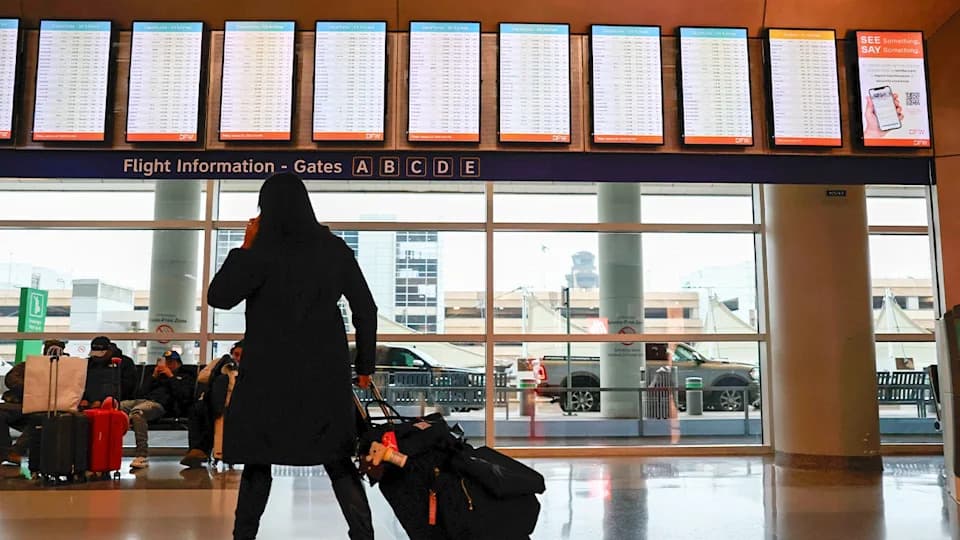
Air travel was hit especially hard on Monday, with Chicago O’Hare reporting the most disruptions: more than 1,500 flights delayed and over 300 canceled. Road conditions deteriorated in several states; Missouri authorities reported numerous calls about accidents on slick, snowy roads. Forecasters warned that parts of North Carolina, West Virginia and Virginia could see about a quarter-inch of ice that would further complicate travel.
2. DHS to deploy agents to Louisiana as immigration operation begins
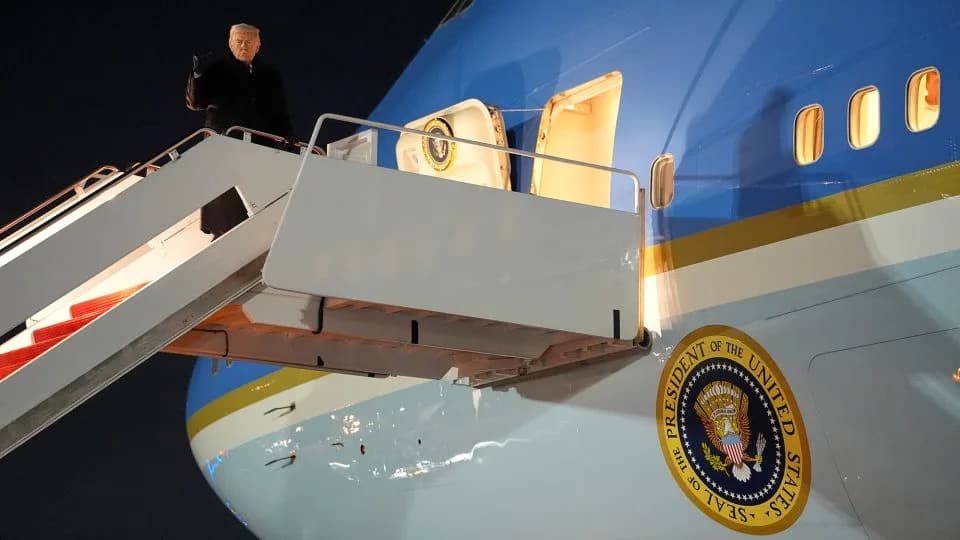
The Department of Homeland Security plans to send 250 agents to Louisiana this month for an immigration operation described as “Swamp Sweep.” The deployment follows the recent shooting of two National Guard members in Washington, D.C., and comes amid heightened rhetoric from administration officials. DHS Secretary Kristi Noem said she is recommending what she called a “full travel ban” on certain countries; DHS indicated it would announce any specific list of countries in due course.
3. Scrutiny grows over a controversial strike near Venezuela
White House and national security officials met to discuss next steps after a September strike in the Caribbean that targeted an alleged drug-smuggling vessel. Sources say U.S. forces carried out a double-tap strike—a follow-up strike after an initial hit—and that some survivors from the first strike were killed in the second. Lawmakers have called for further investigation and requested testimony from Defense Secretary Pete Hegseth about the incident.
4. Catastrophic flooding and landslides across parts of Asia
More than 1,200 people have died in recent flooding and landslides after cyclone-fueled rainfall battered Indonesia, Thailand and Malaysia. A separate storm inundated areas of Sri Lanka, where the government described rescue operations as some of the most challenging in the country’s history. Hundreds remain missing as crews work to airlift patients and deliver critical supplies, including oxygen tanks, to submerged communities.
5. Shifts in U.S. health policy and other headlines
The U.S. government did not mark World AIDS Day this year, breaking a decades-long tradition of official commemoration on December 1; officials said the decision reflects a desire to “modernize” infectious-disease campaigns. Separately, a senior Food and Drug Administration official said the agency will tighten vaccine approval standards after alleging links between Covid-19 vaccines and 10 child deaths, though details were not provided and the claims remain disputed.
Other notable items: U.S. special envoy Steve Witkoff is expected to meet with Russian President Vladimir Putin following high-level U.S.-Ukraine talks; the national average gas price has dropped below $3 a gallon for the first time since 2021, according to AAA; a warehouse-club operator has sued the U.S. government in an ongoing tariff dispute; attorneys for Sean “Diddy” Combs are attempting to block Netflix from releasing a docuseries; the son of a Mexican drug kingpin pleaded guilty Monday to U.S. drug-trafficking charges; and Norway is building what officials say will be the world’s longest and deepest undersea road tunnel.
International reporting note: an American traveler’s account describes upscale restaurants and modern amenities serving Pyongyang’s elite. Check your local forecast and travel advisories before heading out.