The Air Force has approved SpaceX's plan to develop Starship and Super Heavy launch infrastructure at Cape Canaveral's SLC-37, issuing a "record of decision" that prioritizes national security while permitting civil missions. The EIS would allow up to 76 launches and 152 landings per year at SLC-37 pending a supplemental FAA airspace analysis. Combined activity with Kennedy Space Center could reach 120 launches and 240 landings annually, prompting concerns about air-traffic delays (up to an estimated 12,000 delayed commercial flights in a worst-case scenario) and stronger sonic booms. Final launch permissions await Eastern Range requirements and FAA review.
SpaceX Cleared to Expand Starship Pads at Cape Canaveral — SLC‑37 Could Host Up to 76 Launches a Year
The Department of the Air Force has issued a "record of decision" approving SpaceX's plans to build Starship and Super Heavy launch infrastructure at Cape Canaveral Space Force Station's Space Launch Complex 37 (SLC-37). The decision enables a property agreement that prioritizes national security missions while allowing civil launches, but full launch operations depend on additional Eastern Range and FAA airspace clearances.
What the decision allows
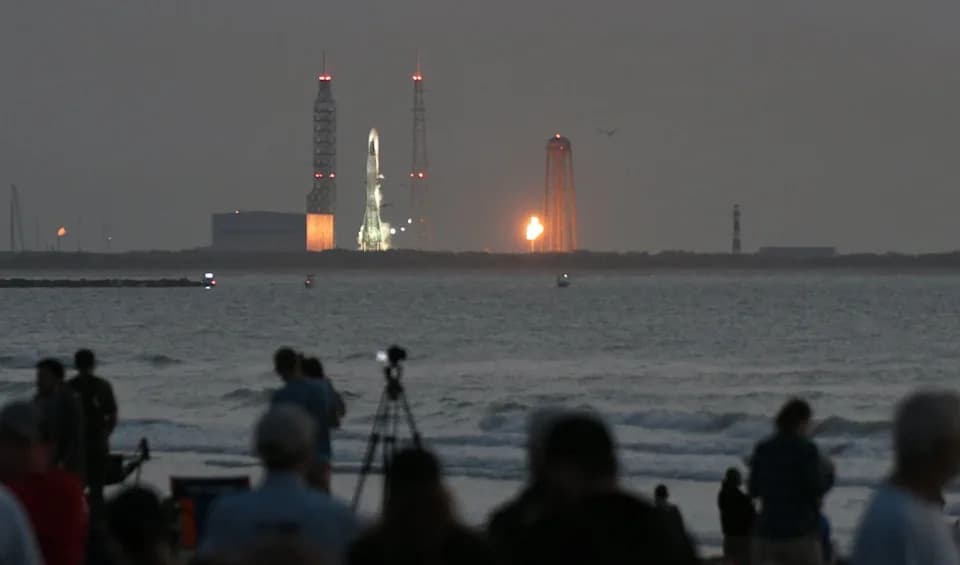
The Air Force's Environmental Impact Statement for the Canaveral site would permit up to 76 launches and 152 landings per year at SLC-37 once the FAA completes a supplemental airspace analysis and Space Launch Delta 45 defines Eastern Range requirements. SpaceX plans two Starship launch towers at SLC-37 and is pursuing a single tower at Kennedy Space Center's LC-39A, which remains subject to a separate FAA EIS.
Air-traffic and community concerns
Combined activity across both Florida sites — 76 launches/152 landings at SLC-37 plus SpaceX's request for 44 launches and 88 landings at KSC — could total up to 120 launches and 240 landings annually. Environmental reviews estimate a worst-case scenario could produce as many as 12,000 delayed commercial flights per year and raise concerns about stronger sonic booms and temporary airspace closures affecting major airports such as Tampa, Orlando, Fort Lauderdale and Miami.
How Starship operations would work
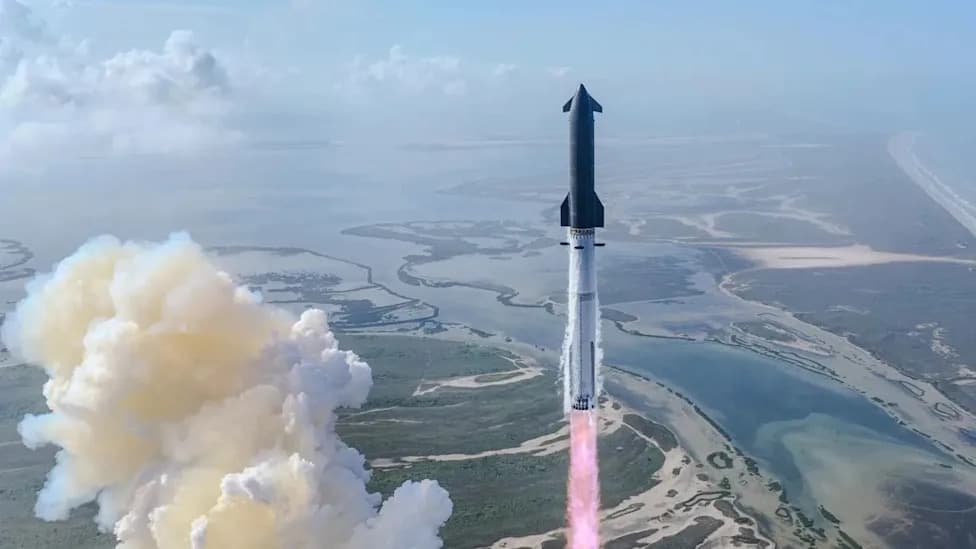
Standing more than 400 feet tall, the combined Super Heavy booster and Starship upper stage generate nearly 17 million pounds of thrust — more than twice that of the Saturn V. Boosters are designed to return to the launch site for tower-mounted recovery by swiveling capture arms (nicknamed "chopsticks"), while the upper stage can return to the area after at least one orbit on missions that require recovery. Those return trajectories cross Florida airspace and can temporarily restrict flight routes.
Next steps and timeline
SpaceX confirmed construction at SLC-37 is already underway. Before launches can proceed, the Air Force will review the FAA's supplemental airspace analysis and Space Launch Delta 45 must set Eastern Range rules. Space Launch Delta 45 officials have said the first Starship launches from Kennedy Space Center could occur as early as summer 2026, contingent on remaining approvals.
Bottom line: The Air Force approval marks a major step toward expanded Starship launch capacity in Florida, but important safety, airspace and community-impact reviews remain before regular operations can begin.
Help us improve.