What to know: About 250 DHS agents led by Gregory Bovino are expected in New Orleans as soon as Dec. 1, but officials say they have received few details. Local leaders report rising fear among immigrant families, with parents keeping children home and workers avoiding jobs. Organizers are distributing whistles, hosting know‑your‑rights trainings, and planning protests. The deployment echoes controversial operations in Chicago and Charlotte that led to thousands of arrests, use of crowd‑control measures, and legal challenges.
DHS Agents Expected in New Orleans as Early as Dec. 1 — Local Leaders Warn of Fear and Unanswered Questions

Federal Department of Homeland Security agents led by Border Patrol official Gregory Bovino are expected to arrive in New Orleans as soon as Dec. 1 for a targeted immigration enforcement operation, sources say. Local officials and community leaders say they have been given little information about the deployment, and the lack of clear details is increasing fear among immigrant families and workers.
What officials say
Two planning sources say about 250 DHS agents could take part, roughly the same number used in recent deployments to other cities. In a brief written response, Assistant Secretary Tricia McLaughlin said the department will not "telegraph potential operations" for the safety and security of law enforcement. It remains unclear how long agents will remain in the city or precisely where they will focus their efforts.
Local reaction and community impact
Newly elected Councilmember-at-Large Matthew Willard said the city is facing 'mass chaos and confusion' because of the limited information available. He and other leaders say they are watching how DHS operated in Chicago and Charlotte to anticipate possible tactics and to plan community responses.
Mayor-elect Helena Moreno, who was born in Mexico, reported direct signs of anxiety in immigrant communities: parents afraid to send their children to school, shrinking attendance at Spanish-language church services, and workers too fearful to come to jobs. Business owners have cut hours or paused projects because employees are staying home.
Advocates like Susan Weishar called the operation poor public policy and suggested the deployment may be politically motivated in a Democratic-led city within a Republican state. U.S. Rep. Troy Carter said he had not been briefed and raised concerns about profiling. Gov. Jeff Landry welcomed federal help, saying additional enforcement is needed to reduce crime.
Why New Orleans?
New Orleans is a culturally diverse city but has a smaller immigrant share of the population than many recent DHS targets: about 6.5% of residents are immigrants, including naturalized citizens, and more than half of those immigrants are noncitizens. Immigrants nonetheless play key roles in the local economy, especially in service and construction sectors, and were central to post‑Katrina reconstruction.
Community organizing and preparations
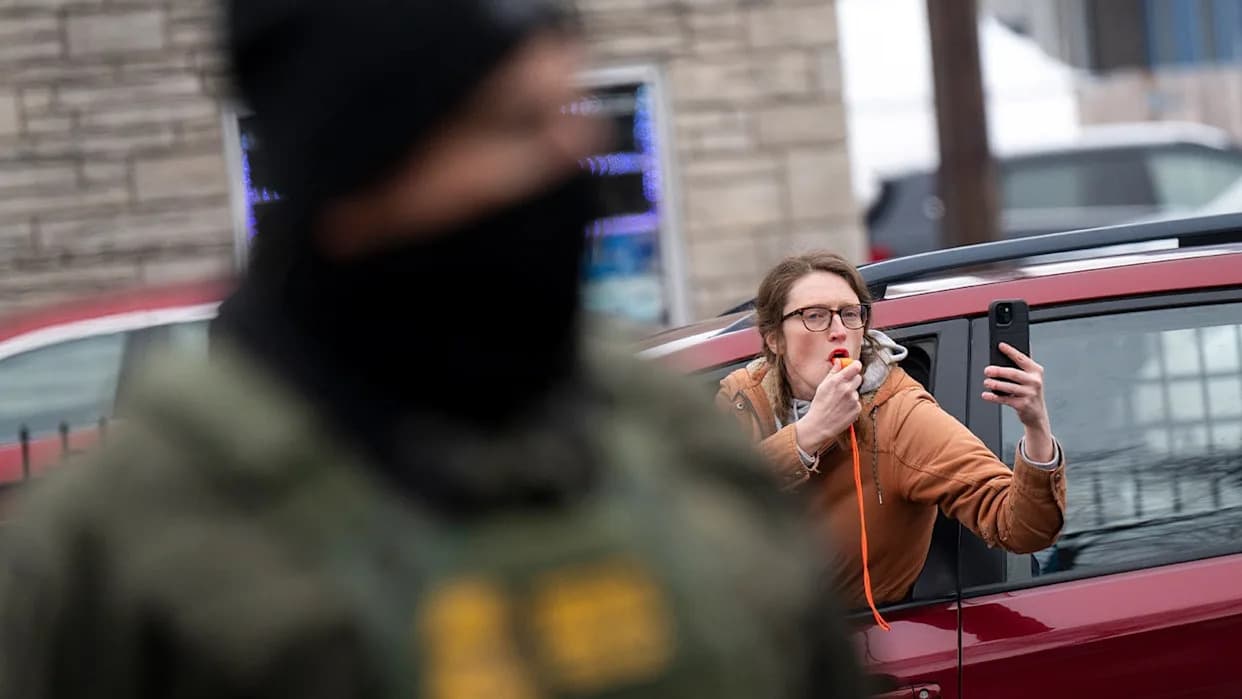
Organizers and volunteers are distributing whistles used to alert neighbors to enforcement activity, hosting know‑your‑rights trainings, holding food drives for residents who fear leaving home, and planning protests and neighborhood watches. 'This city is used to coming together after every storm,' said Rachel Taber of Unión Migrante, referring to community resilience in crises.
Past operations and legal challenges
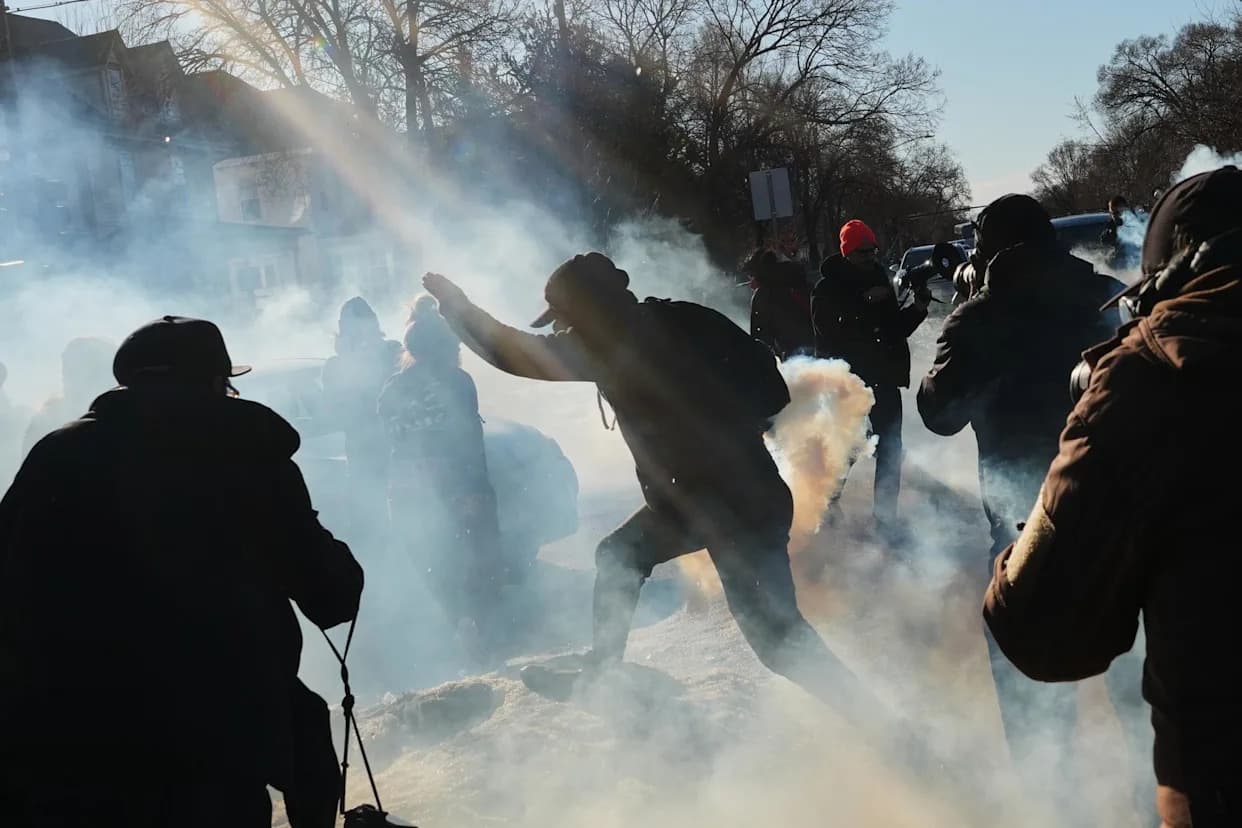
Bovino's recent deployments in other cities drew intense attention. A Chicago‑area operation called 'Operation Midway Blitz' resulted in more than 3,000 arrests and included confrontations in which federal agents used crowd‑control measures and, according to reports, shots were fired in several incidents. A federal judge issued limits on agents' use of force against protesters on Nov. 6, but an appeals court temporarily blocked that order.
In Charlotte, a shorter operation produced more than 370 arrests over several days and disrupted daily life as businesses closed and families kept children home from school.
Unanswered questions
Key details remain unresolved: the exact targets and tactics of the operation, its duration, and where agents will go after New Orleans. Officials say decisions about targeted cities have been informed by direction from national leadership, input from senior DHS officials, and intelligence assessments, but local leaders say they have received little direct briefing.
As the expected start date approaches, city officials, advocates and residents continue to prepare while urging clearer communication from federal authorities to reduce fear and confusion in immigrant communities.
Help us improve.