The Department of Homeland Security has drastically reduced staff at its civil rights watchdog, the Office for Civil Rights and Civil Liberties, from roughly 150 employees to about nine. Former officials, whistleblowers and rights groups say hundreds of active investigations into serious allegations — including forced sedation, mass pepper-spraying and abusive restraints — are now unresolved. DHS insists core oversight functions continue, but critics warn the cuts remove crucial inspections, transparency and safeguards against abuse.
Gutted DHS Watchdog Risks 'Impunity' for Immigration Abuses, Former Officials Warn

The Department of Homeland Security's internal civil rights watchdog has been sharply downsized, prompting whistleblower complaints and lawsuits from former oversight staff and rights groups. Critics say the cuts — which reduced the Office for Civil Rights and Civil Liberties (CRCL) from about 150 employees to roughly nine — have left hundreds of active investigations unresolved and weakened a key check on immigration enforcement.
What happened
Former CRCL staff and human rights advocates say the reduction in personnel came as the administration expanded aggressive immigration operations. A group of dismissed watchdogs filed a whistleblower complaint with Congress through the Government Accountability Project (GAP), and a coalition of immigrant-rights organizations sued the department seeking reinstatement of the staff.
Allegations and unresolved investigations
Documents and whistleblower disclosures reviewed by reporters and advocates show CRCL had been investigating serious allegations before the dismissals. These included:
- An allegation that Border Patrol agents in Arizona forcibly removed and restrained a detained man, then injected him with ketamine in 2023.
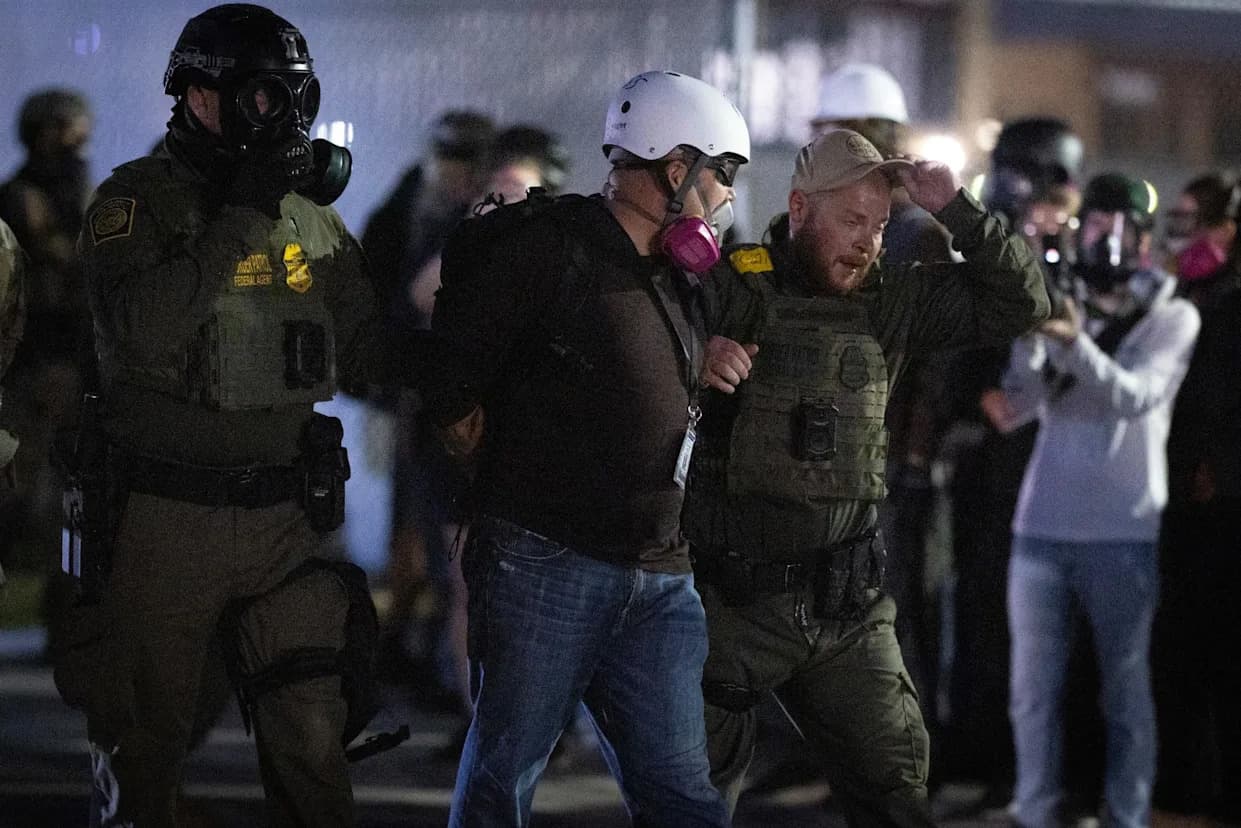
- A probe of systemic mistreatment at a privately run Louisiana detention center, including a 2024 incident in which staff reportedly pepper-sprayed about 200 hunger-striking detainees, then cut power and water for hours.
- A complaint from Florida that a 33-year-old immigrant woman with mental health needs was stripped, strapped to a restraint chair and mocked by male guards, sustaining contusions after hours in restraints.
- An investigation into alleged due process violations in the arrest and detention of Columbia University student and activist Mahmoud Khalil.
Department response and staffing claims
The DHS has maintained that legally required functions of CRCL continue to be performed in an efficient, cost-effective manner. Assistant Secretary for Public Affairs Tricia McLaughlin said the department continues to inspect facilities, document conditions, investigate detainee complaints and issue recommendations when appropriate.
But filings in court and statements from former employees indicate major reductions: court declarations claim nearly every employee in the three oversight offices was removed, with CRCL staff falling from about 147 to nine. DHS has said the offices were not abolished but were refocused and streamlined, and that a number of contract investigators and other contractors remain available for certain tasks.
Why critics say this matters
Former watchdogs and advocates warn that dismantling institutional knowledge and inspection capacity creates a real risk of unchecked abuses. Dana Gold, a GAP senior director working with the whistleblowers, said without a functioning oversight office 'there's just a blank check for impunity.' Anthony Enriquez of Robert F. Kennedy Human Rights warned the reductions could remove constraints on harsh enforcement practices.
Immigration attorneys also report increases in allegations such as coercion to sign deportation paperwork and threats of violence in detention — complaints that CRCL historically would have helped investigate or document. Advocates note that CRCL could not mandate corrections but provided essential recommendations, public reporting and information used by Congress and journalists to monitor conditions.
Transparency and next steps
Public records previously posted by CRCL were removed from the department website in February; the Project on Government Oversight later republished many of those records. Lawsuits and whistleblower complaints are proceeding in federal court, while advocates pursue public campaigns and legal remedies to restore oversight capacity. Former staff say their options are now limited to litigation and public pressure.
The cuts raise broader questions about how the federal government will balance enforcement priorities with civil rights protections and independent oversight, especially as the immigration detention network expands.
Help us improve.