Israeli forces launched a pre‑dawn raid on Beit Jinn to arrest three people they said were linked to Jamaa al‑Islamiya; local resistance led to clashes and subsequent airstrikes that killed at least 13 civilians, including two children. Israel says three suspects were detained and six of its soldiers were wounded. Jamaa al‑Islamiya denied operating outside Lebanon and said it has observed the November 2024 ceasefire. The incident comes amid increased cross‑border operations and tensions along Israel's northern front since October 2023.
Deadly Israeli Raid on Beit Jinn: Arrest Operation Sparks Airstrikes, Killing at Least 13

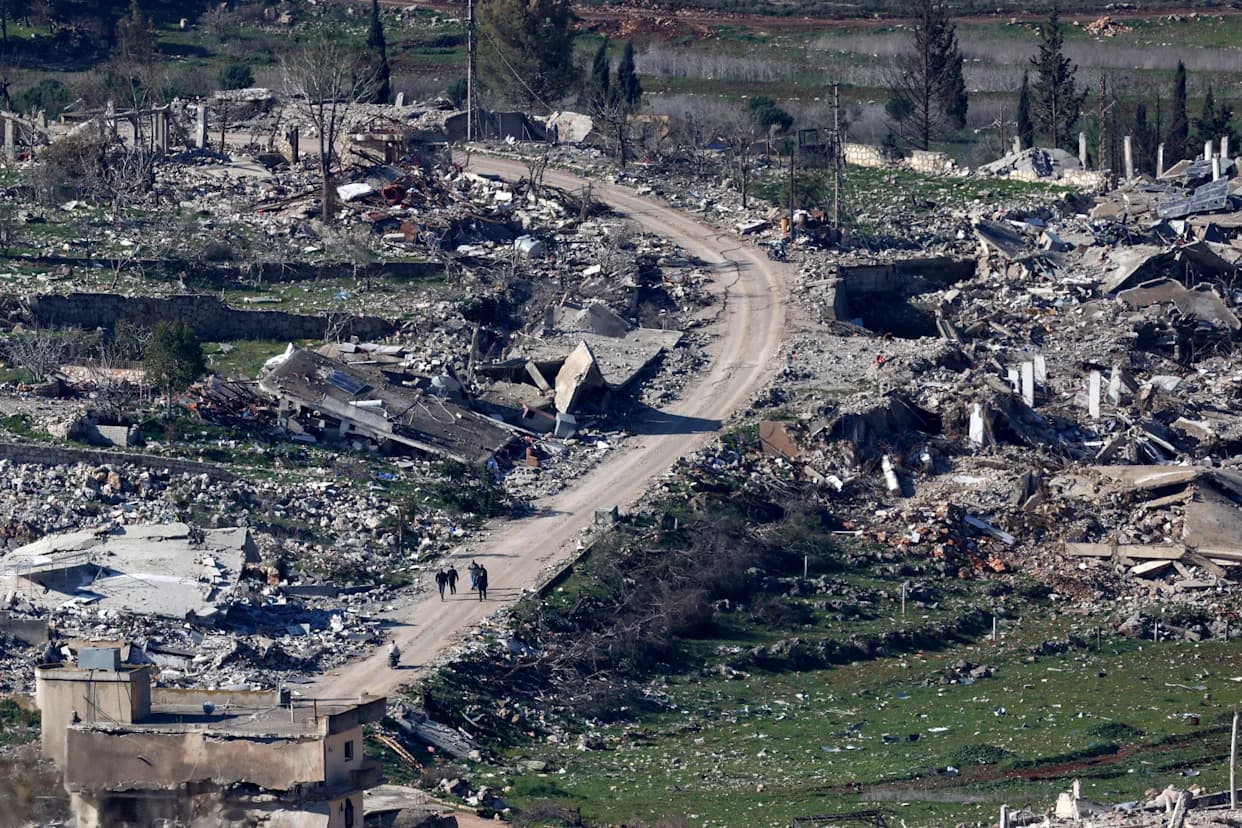
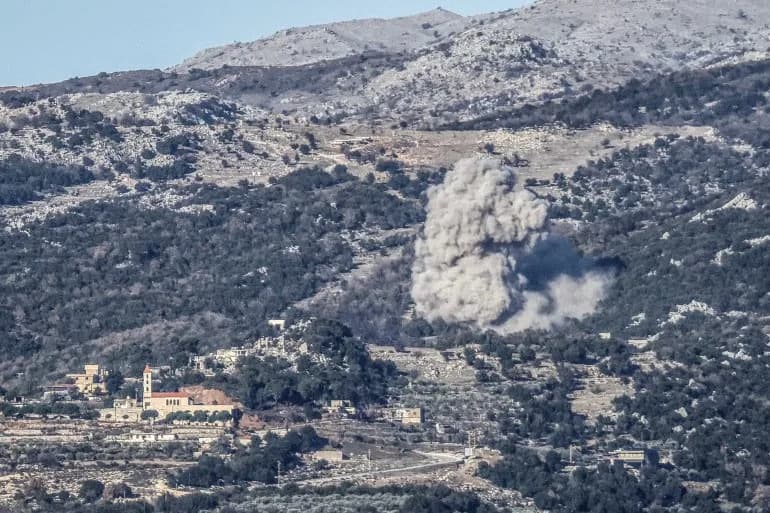
At least 13 people, including two children, were killed on Friday after Israeli forces struck the Damascus‑countryside town of Beit Jinn following a pre‑dawn ground operation that met local resistance. The raid, carried out by the Israeli army's 55th Reserve Brigade, aimed to detain three Syrian residents Israel said were members of Jamaa al‑Islamiya — the Lebanese branch of the Muslim Brotherhood. After villagers fought back, the operation escalated into clashes and subsequent airstrikes on the town.
What happened
Israeli troops entered Beit Jinn in the early hours, stating they intended to arrest three individuals they described as linked to Jamaa al‑Islamiya and a potential threat to Israel. Local residents resisted the incursion; the Israeli army later reported six soldiers wounded in the clashes, three of them seriously. After the ground raid faltered, Israeli aircraft struck the town, causing civilian casualties and damage to homes and infrastructure.
"We were asleep when we were woken up at three in the morning by gunfire," said wounded resident Iyad Daher from al‑Mouwasat Hospital in Damascus. "We went outside to see what was happening and saw the Israeli army in the village, soldiers and tanks. Then they withdrew, the air force came — and the shells started falling."
Claims and denials
Israeli officials described the operation as an "arrest raid" and said three suspects linked to Jamaa al‑Islamiya were detained. Jerusalem has accused the group of recruiting fighters in southern Syria and contributing to tensions along Israel's northern frontier with Lebanon, but has not publicly released evidence supporting the specific claim tied to this raid.
Jamaa al‑Islamiya responded that it conducts no activities outside Lebanon and expressed surprise at being implicated in the Beit Jinn operation. The group said it has observed the ceasefire agreement between Lebanon and Israel reached in November 2024.
Wider context
Observers note the Beit Jinn incident fits a broader pattern of cross‑border operations and strikes in Syria and along Israel's northern borders since October 2023, a period of heightened regional tensions. Israel says it can no longer tolerate hostile forces operating near its borders and has increased strikes and occasional ground operations; analysts, Syrian officials and rights groups report a sharp uptick in Israeli activity in Syrian border areas over the past year.
Historical context: Israel captured the Golan Heights in 1967 and a demilitarised zone was later set under the 1974 disengagement agreement. Tensions have periodically flared along the frontier ever since; recent deployments and outposts near Mount Hermon (Jabal al‑Sheikh) have intensified friction. Syrian authorities condemned the Beit Jinn bombardment as a "criminal attack" and described the follow‑up shelling as a "full‑fledged war crime."
Separately, reports recall a March 2024 strike in southern Lebanon that killed seven emergency relief volunteers; Israeli sources at the time said the strike targeted a person described as a "significant terrorist," while local relief officials said no named target was publicly identified.
What remains unclear
Key questions remain about who was targeted in Beit Jinn and whether independent evidence will be made available to substantiate Israel's assertions about Jamaa al‑Islamiya's presence in southern Syria. The incident is likely to raise tensions across the border region and could prompt further diplomatic and security responses.
Help us improve.