As Chile approaches a December 14 presidential runoff, fears that far‑right frontrunner José Antonio Kast will deport large numbers of undocumented migrants have prompted many—mostly Venezuelans—to try to leave the country. Peru has declared a state of emergency on its border with Chile and is denying crossings, leaving families and children exposed in desert conditions. Chile's undocumented population has risen sharply, from about 10,000 in 2018 to roughly 330,000 by 2024, and while migrants can access health care and schools, tensions and humanitarian concerns are growing.
Undocumented Migrants Flee Chile Ahead of Possible Far‑Right Crackdown, Stranded at Peru Border

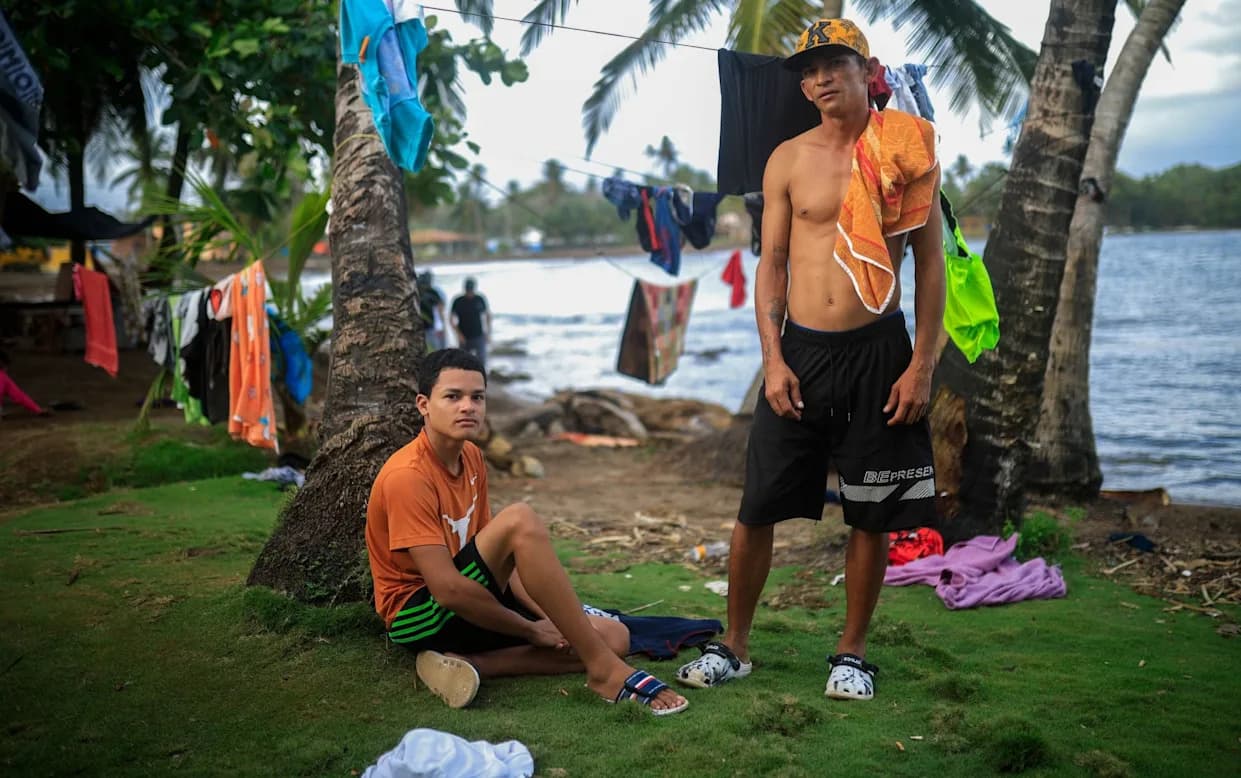
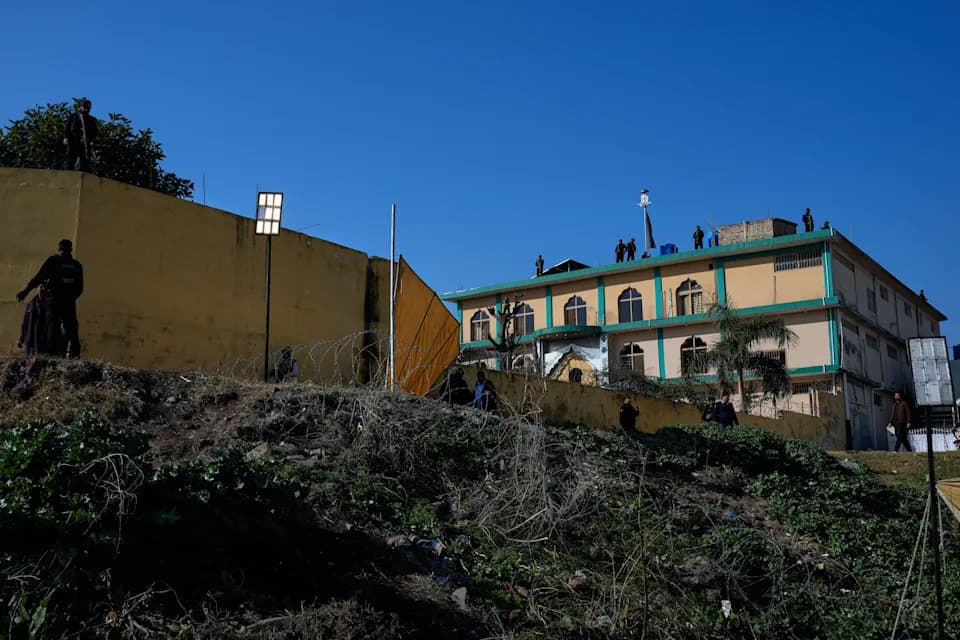
Dozens of undocumented migrants — many from Venezuela and other Latin American countries — are gathering along Chile's desert border with Peru, seeking a route out of the country as a presidential runoff approaches on December 14.
The far‑right candidate José Antonio Kast, the frontrunner for the second round, has pledged to expel hundreds of thousands of undocumented residents if elected. That prospect has sparked a wave of fear and a rush to find refuge before any enforcement measures take effect.
"Kast said he was going to remove foreigners who have not been regularized,"said Milbayajaira Rivas, a 56‑year‑old nurse from Venezuela, describing the urgency driving people to the border.
Crossing into neighboring Peru might offer an escape, but Lima declared a state of emergency along the frontier and stepped up military patrols to block irregular entries. Peru's foreign minister, Hugo de Zela, has said the country will not accept additional irregular migrants. At the border, Peruvian police hand out water to people suffering in the desert heat but are refusing to let them pass.
"Peru doesn't want any more Venezuelans. We don't know what we're going to do,"Rivas added, capturing the uncertainty facing families and children stranded in harsh conditions.
Border strain and human cost
Local officials warn the situation is dangerous. Diego Paco, governor of Chile's Arica border region, said authorities are concerned for vulnerable migrants left exposed in the desert and at risk of illness from cold nights.
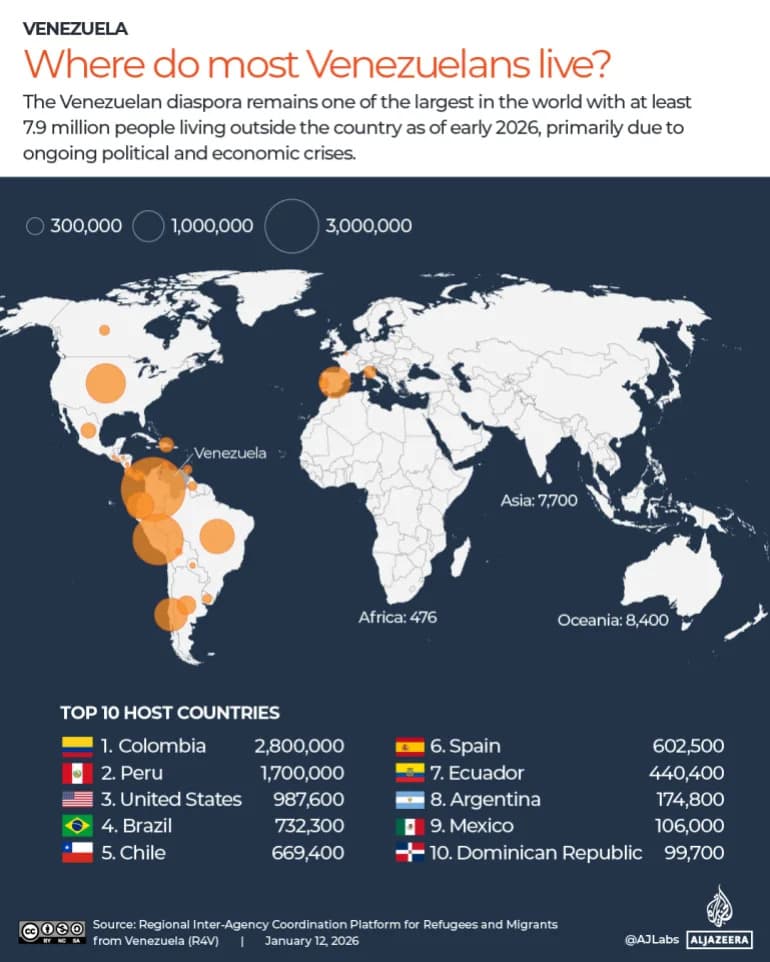
Chile's National Migration Service estimates the number of undocumented migrants in the country climbed from roughly 10,000 in 2018 to about 330,000 by 2024, most arriving from Venezuela. Undocumented migrants in Chile can access health care and enroll their children in public schools, but tensions have risen as some residents link the influx to higher crime rates — despite Chile remaining one of the region's safer countries.
"I understand that criminals have come from my country, but so have good people who just want to work,"said Billy Gonzalez, a 48‑year‑old optical technician from Venezuela living in Chile. He added he felt trapped by the political rhetoric and appealed for a humane solution: "At least bring us a bus, let everyone pay for their own ticket and take us to Ecuador so we can continue on the route to Venezuela."
The scene at the border underscores growing regional strains over migration and highlights the human consequences of election‑time politics. Observers say coordinated, humane policies and clear communication between countries will be essential to prevent further humanitarian distress if mass expulsions are pursued.
Help us improve.