Agnes Callamard of Amnesty International said Syria’s interim authorities have shown encouraging steps—draft legal reforms, transitional justice commissions and openness to experts—but warned those measures are shallow and insufficient for genuine democratic change. Hundreds of detainees from the Assad era are being held and prosecutions are expected, though legal gaps and questions about who will adjudicate them remain. Callamard urged more international technical support for investigations, noting that local civil society groups are currently shouldering much of the evidence-gathering work.
Amnesty Chief: Syria Shows Early Reform Steps but Deep Democratic Change Is Still Missing

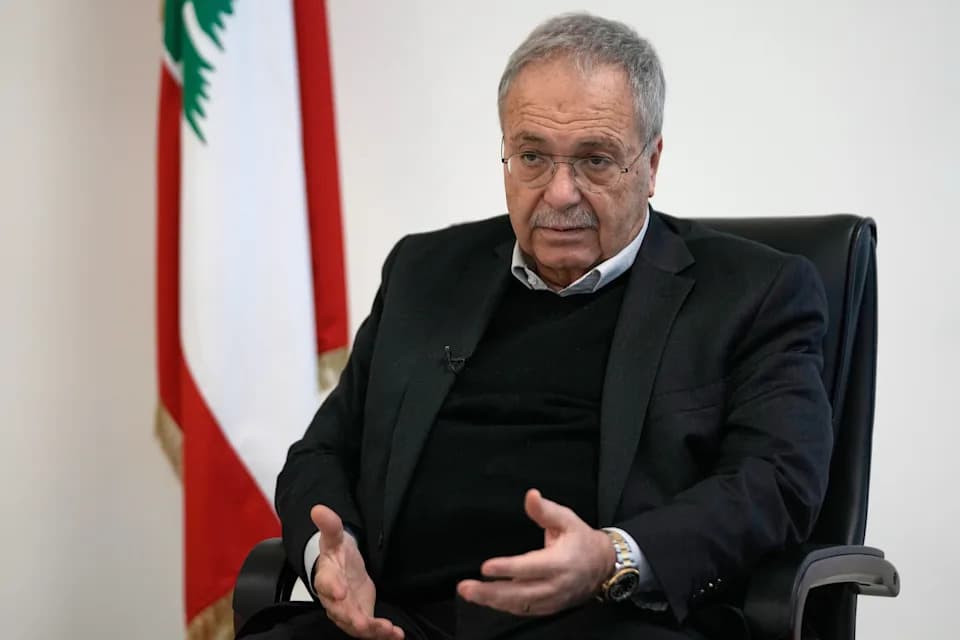
Beirut — Agnes Callamard, secretary general of Amnesty International, said after a visit to Damascus that Syria’s new authorities have taken visible steps toward reform, transitional justice and reconciliation—but that meaningful democratic change remains absent.
Callamard highlighted several positive developments: draft legal reforms before parliament, the creation of commissions on transitional justice and for the missing, and officials’ willingness to receive international rights groups and outside experts. She cautioned, however, that these moves have so far been limited in scope and depth.
“All of those things are very good signs but they are not very deep,” Callamard said.
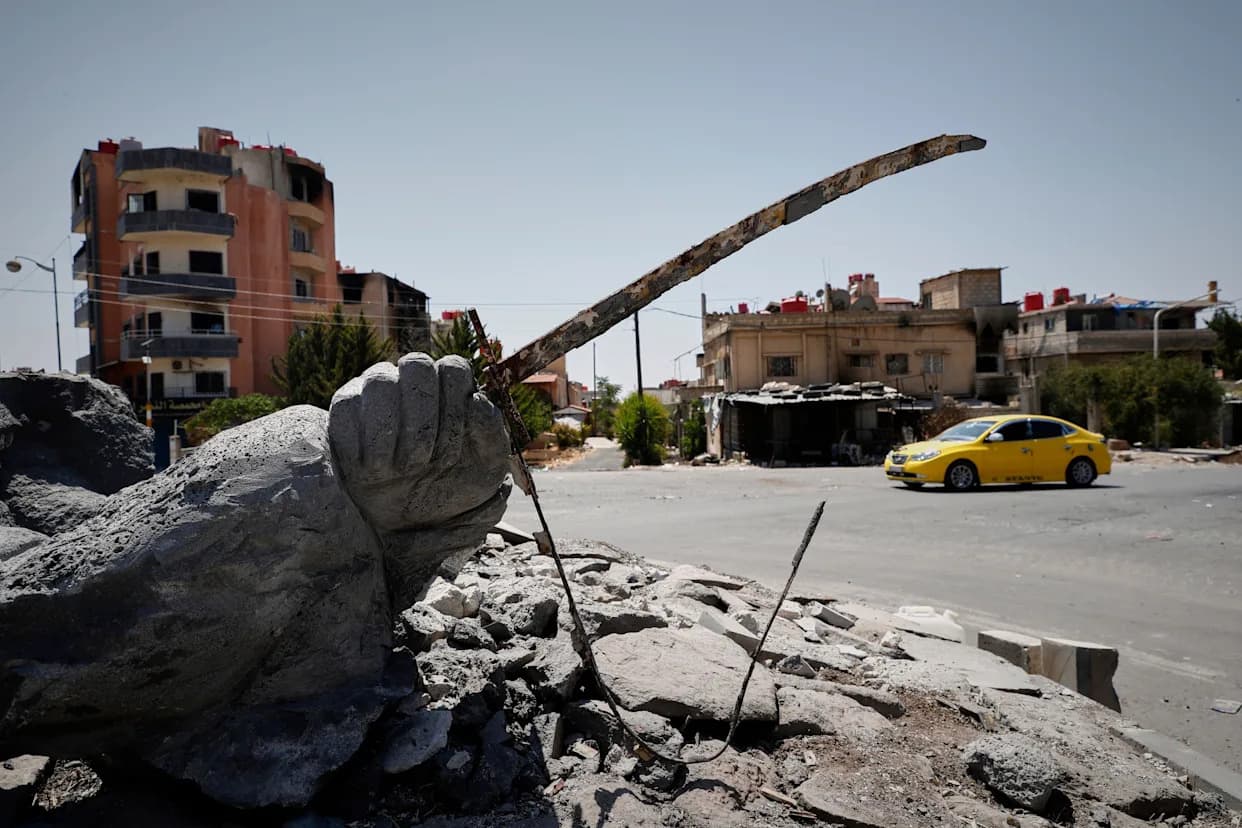
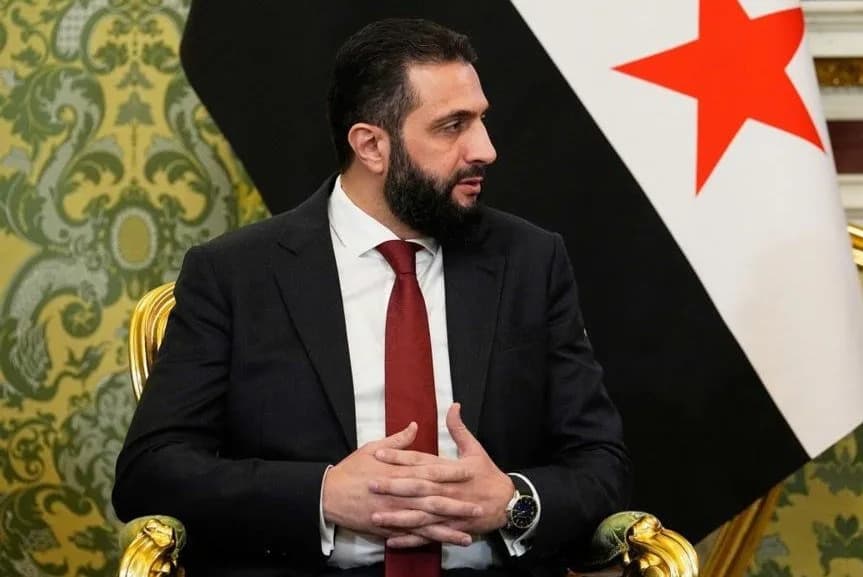
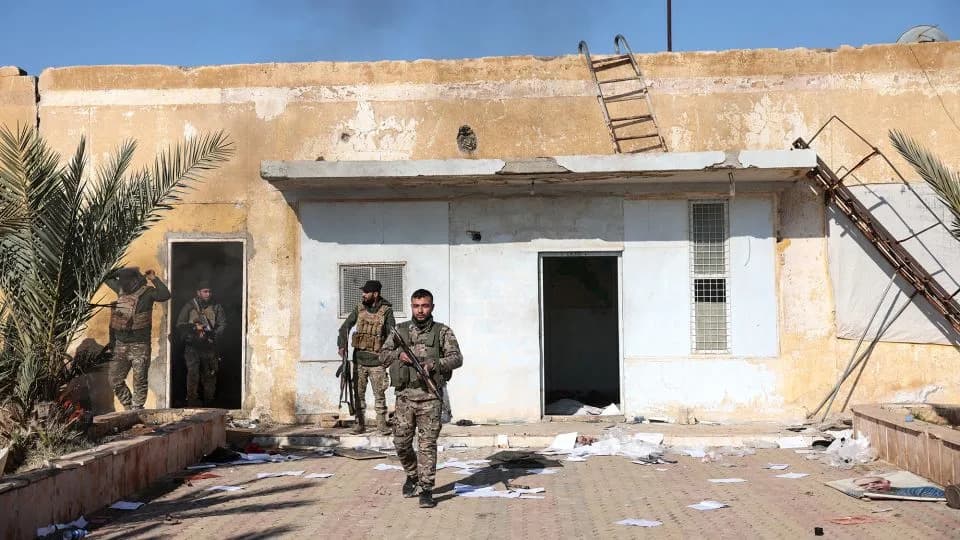
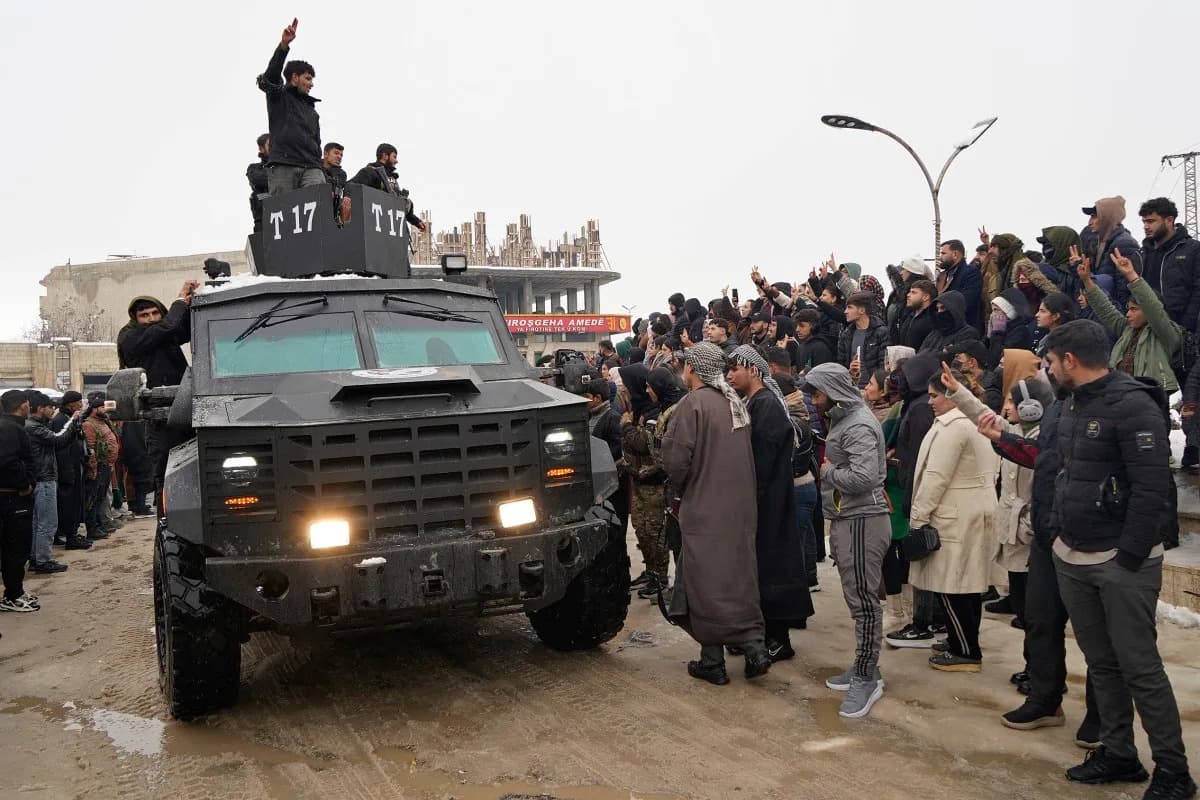
Since the fall of President Bashar Assad’s government in an offensive led by the Islamist group Hayat Tahrir al-Sham that brought interim President Ahmad al-Sharaa to power, Syria remains unstable. Pro-government forces have been accused this year of participating in sectarian violence targeting Druze and Alawite communities in coastal areas and in the southern province of Sweida, episodes that reportedly left hundreds dead.
The state has established committees to investigate atrocities against the Druze in Sweida, and trials of suspects allegedly involved in coastal violence began in March. Over the past year, dozens of officials from the Assad era have been detained and are expected to face prosecutions for alleged human rights violations committed over decades.
Callamard said Syrian officials, including the justice minister, told her that hundreds of detainees are being held “in relation to abuses by the former regime.” She added that charges appear to be forthcoming but raised concerns about the legal basis for arrests and who will oversee the trials. “The legal framework needs urgent reform,” she said, “because some of the most gruesome crimes under international law have not been domesticated.”
She described meetings with the National Commission on Transitional Justice and the National Commission for the Missing about the ongoing process of collecting evidence from former detention facilities, calling it necessary but slow and long-term. Unlike the situation in Ukraine—where several European states set up expert teams to assist investigations—Callamard said Syria currently lacks comparable international technical support.
“Nothing like that is happening in Syria. Nothing. So that needs to change,” she said.
Callamard urged the international community to take a greater risk in backing Syria’s transition, noting that small civil society groups inside the country are currently doing much of the evidence-gathering work. “My impression after that very short visit is that, for the international community, Syria is a problem that must be contained,” she said. “Very few countries appear prepared to take the leap of faith needed. Without broader support, I don’t know whether what’s happening now will be sustainable.”
Last month Syria held its first parliamentary elections since Assad’s fall, but there was no direct popular vote for two-thirds of the seats: 140 of the 210 assembly members were chosen through province-based electoral colleges with seats apportioned by population, while the remaining 70 seats will be appointed directly by President Ahmad al-Sharaa. The new parliament will serve a 30-month term while preparing for future elections.
Help us improve.