An estimated 10 tonnes — up to 650 million peppercorn-sized plastic bio-beads — escaped a Southern Water plant on 29 October and washed into Camber Sands, nearby creeks and the Rye Harbour Nature Reserve. Volunteers and professional crews have recovered much of the material, and Southern Water has apologised and commissioned an independent investigation. Experts warn the pellets can absorb or leach toxic chemicals (including PFAS), be ingested by wildlife and persist in the environment, raising serious concerns for rare birds and coastal ecosystems.
‘An Oil Spill in Solid Form’: Millions of Bio-Beads Devastate Camber Sands

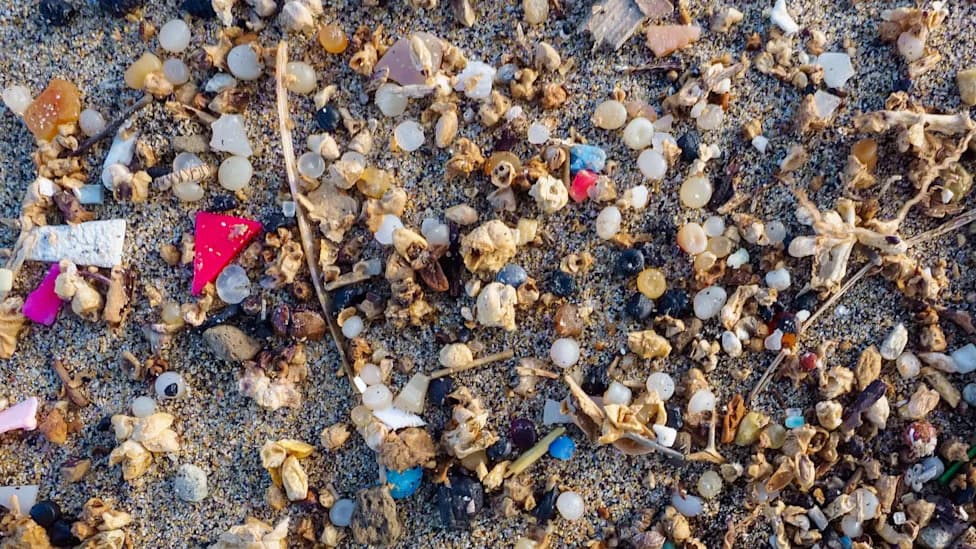
Andy Dinsdale has spent more than two decades walking the southern English coast in search of rare "sea hearts" — mahogany seeds carried by ocean currents. Over the years his hobby made him an expert on the region’s growing plastic pollution. In early November he and the citizen science group Strandliners discovered something far worse: millions of tiny black pellets littering Camber Sands.
On 29 October a mechanical failure at a Southern Water treatment plant more than 35 miles up the coast allowed an estimated 10 tonnes — up to 650 million peppercorn-sized plastic "bio-beads" — to escape into the English Channel. The pellets have mixed into sand, creeks and the salt marshes of the nearby Rye Harbour Nature Reserve, one of Britain’s most important coastal wetlands.
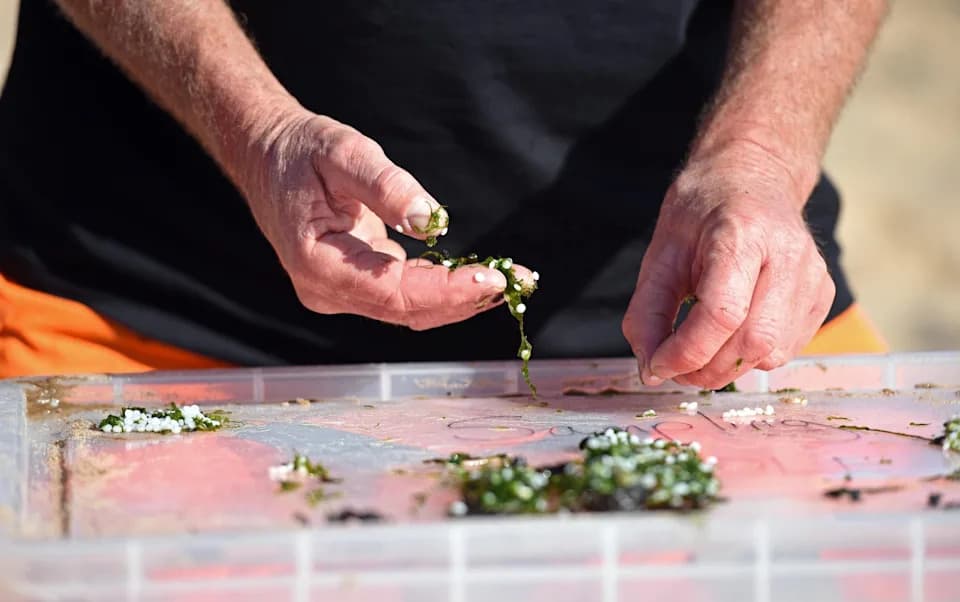
Local volunteers initially responded with sieves, colanders and buckets; at times as many as 100 people a day joined the effort. Southern Water accepted responsibility for the incident and apologised, later deploying professional clean-up crews and saying it would cover clean-up costs. The company reported that roughly 80% of the pellets on the main beach had been recovered as of 11 November, while acknowledging that tides will likely deposit more beads in future.
Why the pellets are a problem
Bio-beads are plastic carriers used in some wastewater plants to provide surface area for bacteria that break down pollutants. While manufacturers describe the beads as inert, conservationists and scientists warn of several risks. Many bead systems were installed in the 1990s when recycled plastics sometimes contained heavy metals or persistent chemical residues. Beads can leach absorbed contaminants or pick up pollutants such as PFAS — so-called "forever chemicals" — as they travel through the sea.
“These bio-beads will be here forever. The horrific thing is that they’re so small — people often mistake them for bits of seaweed or gravel,” said Andy Dinsdale.
Researchers fear that wildlife will ingest the pellets because they resemble seeds or small prey. Once consumed, toxic chemicals can bioaccumulate and move up the food chain, potentially reaching humans. Amy Youngman of the Environmental Investigation Agency described the spill as “essentially an oil spill in solid form, but with added chemical toxicity.”
Local impact and wider context
Rye Harbour Nature Reserve supports more than 4,350 species of plants and animals, including roughly 300 rare or endangered species. Henri Brocklebank, director of conservation at the Sussex Wildlife Trust, warned that the pellets look like seeds and could easily be eaten by migrating birds that rely on the reserve as a feeding ground.
Volunteers such as Barbara Plum and Chris Saunders have travelled from nearby towns to help. "Our beaches are just used as dumping grounds," Plum said. Saunders, who joined a clean-up on his only day off, asked what the next generation will inherit if pollution continues unchecked.
This is not the first time escaped bio-beads have contaminated UK shorelines. In 2010 a steel mesh failed at a plant on the Truro River in Cornwall, releasing roughly 5.4 billion beads. Deposits of pellets were also recorded along Dorset and Devon beaches in 2017. Since late October, volunteer groups have also found black bio-beads washing up on the northern French coast and Belgian beaches, indicating the pollution can spread across borders with currents and tides.
Response and next steps
Southern Water says it is commissioning an independent investigation and is considering whether to replace bio-beads at its plants, noting that upgrading ageing infrastructure requires investment and regulation. The Environment Agency has said it will investigate and take enforcement action if pollution is confirmed, and is working with the water sector on research into microplastics from wastewater treatment works.
The incident highlights a broader global problem: the United Nations Environment Programme estimates up to 23 million tonnes of plastic enter aquatic ecosystems each year. Small, persistent items like these bio-beads are especially hard to remove and pose long-term ecological risks.
At Camber Sands, volunteers and contractors continue painstaking efforts to map, collect and contain the pellets, while researchers and regulators assess the potential chemical risks and ecological damage. "We don’t know how many are still out there, or which beaches they’ll hit next," Dinsdale said, underscoring the uncertainty and scale of the clean-up challenge.
Help us improve.