The ash from burned coal in U.S. power plants may contain significant concentrations of rare-earth elements. A University of Texas-led study estimates about $165 billion in theoretical REE value in U.S. coal ash, with roughly $97 billion potentially recoverable under plausible scenarios. While concentrations in ash are lower than conventional ores, combustion concentrates REEs and recovery could reduce import dependence and help offset cleanup costs — though scalable extraction methods are still under development.
Nearly $100 Billion in Rare Earths Could Be Recovered from U.S. Coal Ash

A recent study by geoscientists at the University of Texas at Austin suggests that the ash left over from burned coal in U.S. power plants may hide a large, underappreciated source of rare-earth elements (REEs). The authors estimate the total theoretical value of REEs in U.S. coal ash at roughly US$165 billion, with about $97 billion plausibly recoverable under realistic scenarios.
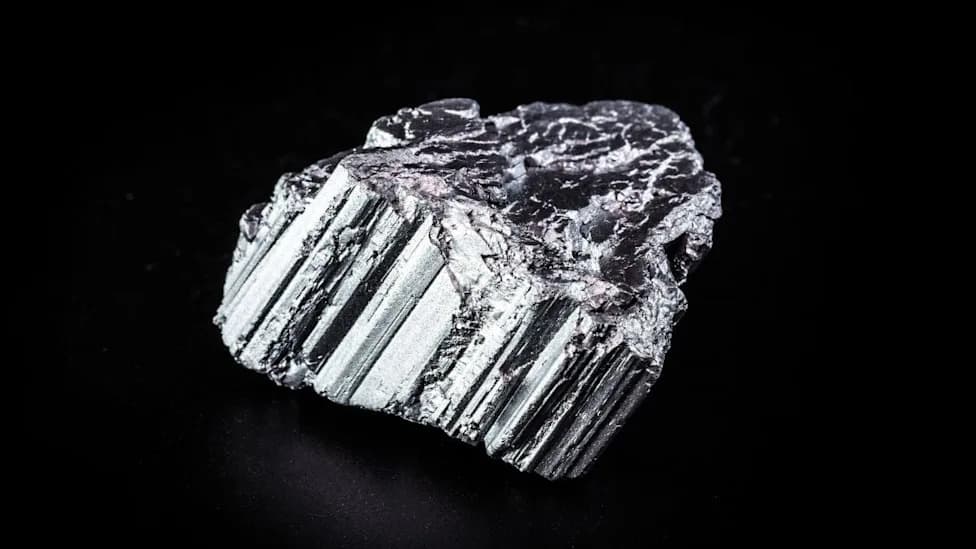
Rare-earth elements — a group of 17 metals that includes the 15 lanthanides plus yttrium and scandium — are critical to modern technology, from electric-vehicle motors and wind turbines to batteries and smartphones. The U.S. currently depends heavily on imports for these materials, so a domestic recovery pathway could strengthen supply chains and reduce geopolitical risk.
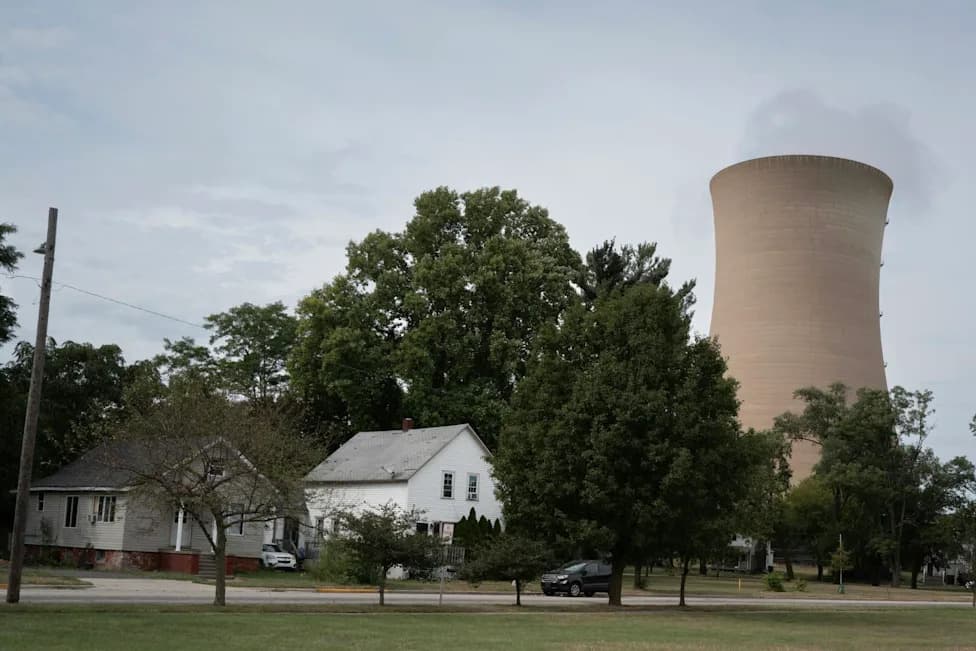
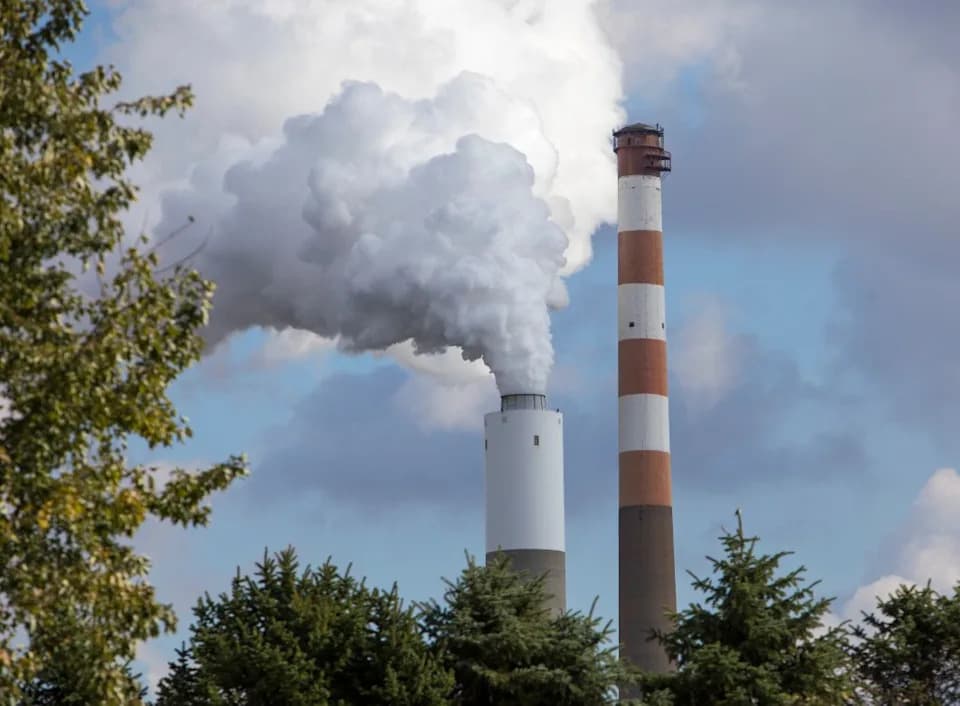
Coal traps tiny amounts of many elements as it forms. When coal is burned, the combustible material (carbon, hydrogen, sulfur and others) is released as gas and the noncombustible components concentrate in the residual ash. That process can raise REE concentrations in ash to four to ten times the levels found in unburned coal, although those concentrations are still generally lower than conventional ore deposits.
Co-led by Bridget Scanlon and Robert Reedy, the research team compiled decades of data on ash chemistry, recovery efficiencies, and disposal-site locations. They estimate that roughly 52 billion tons of coal-ash waste have accumulated in the U.S. since the 1950s, and that about 11 million tons of REEs may lie in accessible coal-ash deposits from 1985–2021 — nearly eight times the amount currently reported in U.S. REE reserves.
Breakdown of estimated value: focusing only on the 15 lanthanide elements, the team calculates a combined theoretical value of about $56 billion across all coal ash. Site-specific accessibility reduces the practical value in accessible ash to roughly $14 billion, of which lanthanides feasibly extractable could be worth up to $8.4 billion. When yttrium and scandium are included, the total theoretical value rises to about $165 billion with approximately $97 billion considered recoverable in plausible extraction scenarios.
"This really exemplifies the ‘trash to treasure’ mantra," said geologist Bridget Scanlon. "We're basically trying to close the cycle and use waste and recover resources in the waste, while at the same time reducing environmental impacts."
Despite the attractive numbers, the authors stress that these estimates are largely theoretical at present. Efficient, scalable extraction and separation methods for REEs in coal ash remain under development, and economic feasibility will depend on technology, local site conditions, remediation costs, and market prices.
Potential benefits and challenges: Recovering REEs from coal ash could provide several benefits — a domestic supply source, a way to offset remediation costs for unlined landfills and ash ponds, and a reduced need for new mining. However, challenges include designing processes that are cost-effective, minimizing additional environmental impacts (for example, from chemical reagents and tailings), and navigating regulatory and permitting requirements.
The authors recommend further research into extraction methods and lifecycle assessments and note that coal-ash REE potential should be evaluated in other countries with large coal-ash legacies.
Researchers are also investigating other unconventional REE sources. Some volcanic and iron-rich deposits may be adaptable for REE production, and recent studies have identified certain plants capable of accumulating REEs from metal-rich soils — a technique sometimes called phytomining. Each alternative has its own technical and environmental trade-offs.
The coal-ash analysis was published in November 2024 in the International Journal of Coal Science & Technology. While practical recovery is not yet proven at scale, the study highlights a sizeable and strategically important resource that could reshape aspects of REE supply if viable extraction pathways are developed.
Help us improve.