Researchers at the Max Planck Institute have identified an unexpected, rapidly expanding layer of Arctic meltwater pooling around Greenland. Using a freshwater transformation framework, the study found strong seasonal and regional variation and intense winter mixing, especially off southern Greenland. This buildup could weaken the Atlantic Meridional Overturning Circulation (AMOC), with consequences such as higher storm surges, heavier rainfall in some areas and disruptions to food systems. Scientists are improving models and communities are strengthening resilience while pursuing mitigation actions.
Rapid Arctic Meltwater Is Pooling Around Greenland — A Big Surprise for Ocean Models
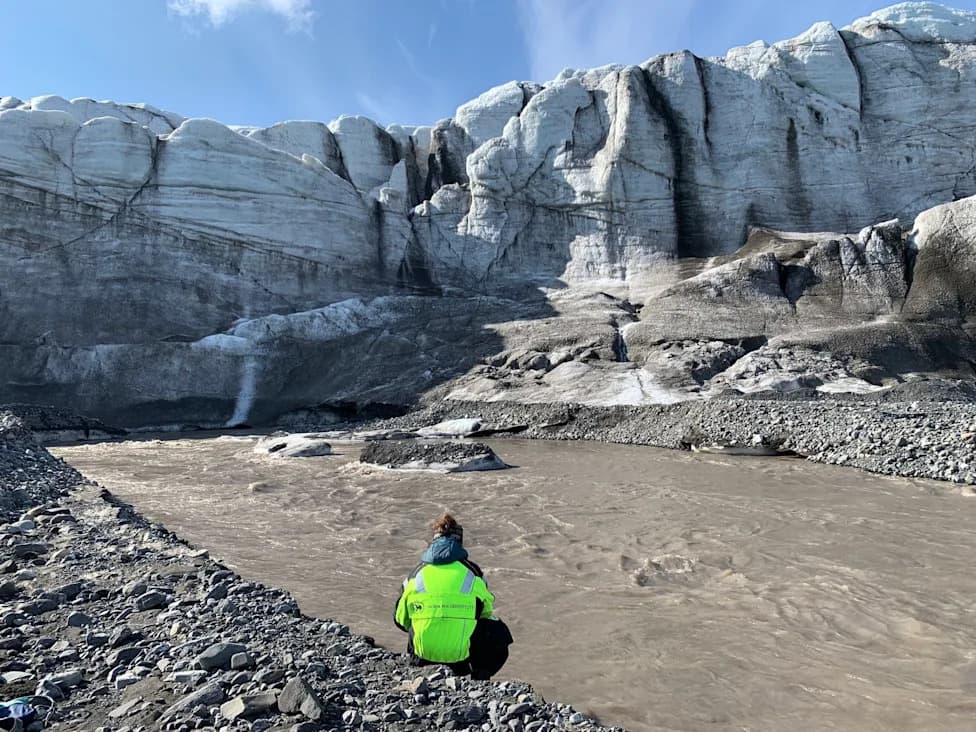
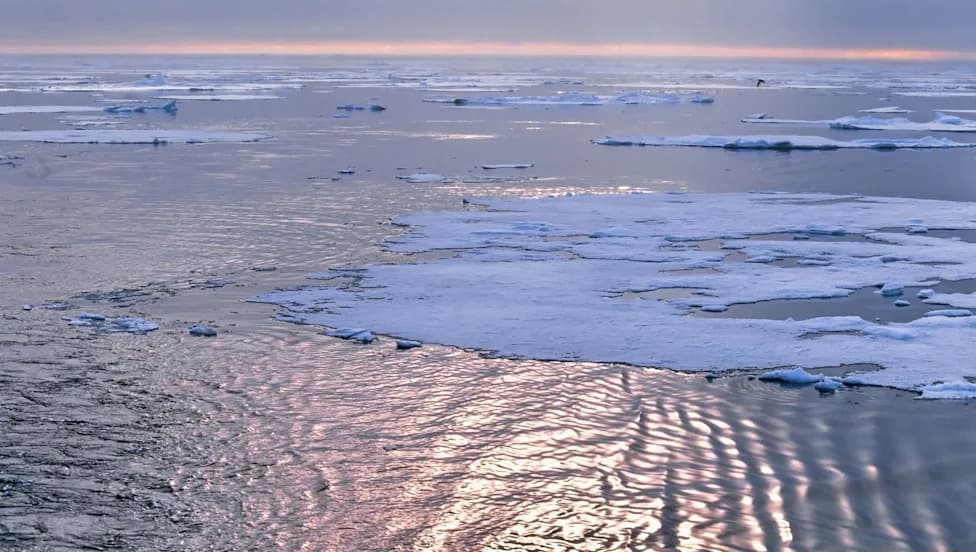
Scientists report a fast-growing layer of Arctic meltwater collecting around Greenland that could complicate ocean models and weaken key circulation patterns that influence Northern Hemisphere climate.
A recent study led by researcher Fraser William Goldsworth at the Max Planck Institute for Meteorology used high-resolution model output and a freshwater transformation framework to track how surface melt, sea-ice formation and vertical mixing create and reshape low-density surface layers in four regions around Greenland. The team chose this approach because conventional freshwater budgets can miss important exchanges between layers.
“The seasonal and regional patterns were a big surprise,” Goldsworth said, noting that these variations make it harder to predict how continued warming will affect coasts and weather systems.
The analysis shows that boundary currents around Greenland become progressively saltier as they flow from the Fram Strait toward the Labrador Sea, signaling strong mixing between surface meltwater and deeper waters. That mixing is particularly vigorous in winter and is much stronger off southern Greenland than in the more ice-covered northern sectors.
Why this matters
Accumulation of low-density freshwater in the North Atlantic can weaken the Atlantic Meridional Overturning Circulation (AMOC) — the large ocean conveyor belt that transports heat northward. A slowing AMOC could alter weather patterns and ocean conditions globally, contributing to higher storm surges, heavier rainfall in some regions and persistent disruptions to fisheries and food systems.
What scientists and communities are doing
Researchers are refining ocean models and developing monitoring and early-warning systems to better capture freshwater buildup and its downstream effects. At the local and regional level, communities are investing in resilience measures such as restoring coastal wetlands, upgrading stormwater infrastructure and developing resilient microgrids.
Experts also emphasize the role of mitigation and everyday actions: electrifying buildings, improving energy efficiency, reducing food waste and supporting policies that accelerate clean energy and resilient infrastructure all help reduce long-term risk.
Help us improve.