Sudanese archaeologist Shadia Abdrabo is racing to create an online archive of Sudan’s archaeological sites, museum holdings and historical records while war between the RSF and SAF threatens the country’s cultural heritage. Museums were looted after fighting began in April 2023; Khartoum’s National Museum — which once housed roughly 100,000 objects, including mummies from c.2500 B.C. — was ransacked. Abdrabo, working in France with funding through April 2026, has documented about 1,080 national museum items so far but warns the effort is urgent as militias and displacement put more artifacts at risk.
Racing Against War: An Archaeologist’s Bid to Digitize and Save Sudan’s Heritage

In a quiet office at the French National Institute for Art History, Sudanese archaeologist Shadia Abdrabo studies a photograph of a Neolithic pot shard dated to about 7,000 B.C. Calmly and methodically she types descriptions, provenance details and condition notes into a growing spreadsheet — part of an urgent project to build an online database that documents Sudan’s archaeological sites, museum collections and historical archives.
Abdrabo, a curator with Sudan’s National Corporation for Antiquities and Museums (NCAM), is working on a yearlong research grant in France with a single, pressing mission: establish a comprehensive digital record of Sudan’s cultural heritage while war between the Rapid Support Forces (RSF) and the Sudanese Armed Forces (SAF) continues to threaten objects, archives and archaeological sites across the country.
Destruction, looting and vanished archives
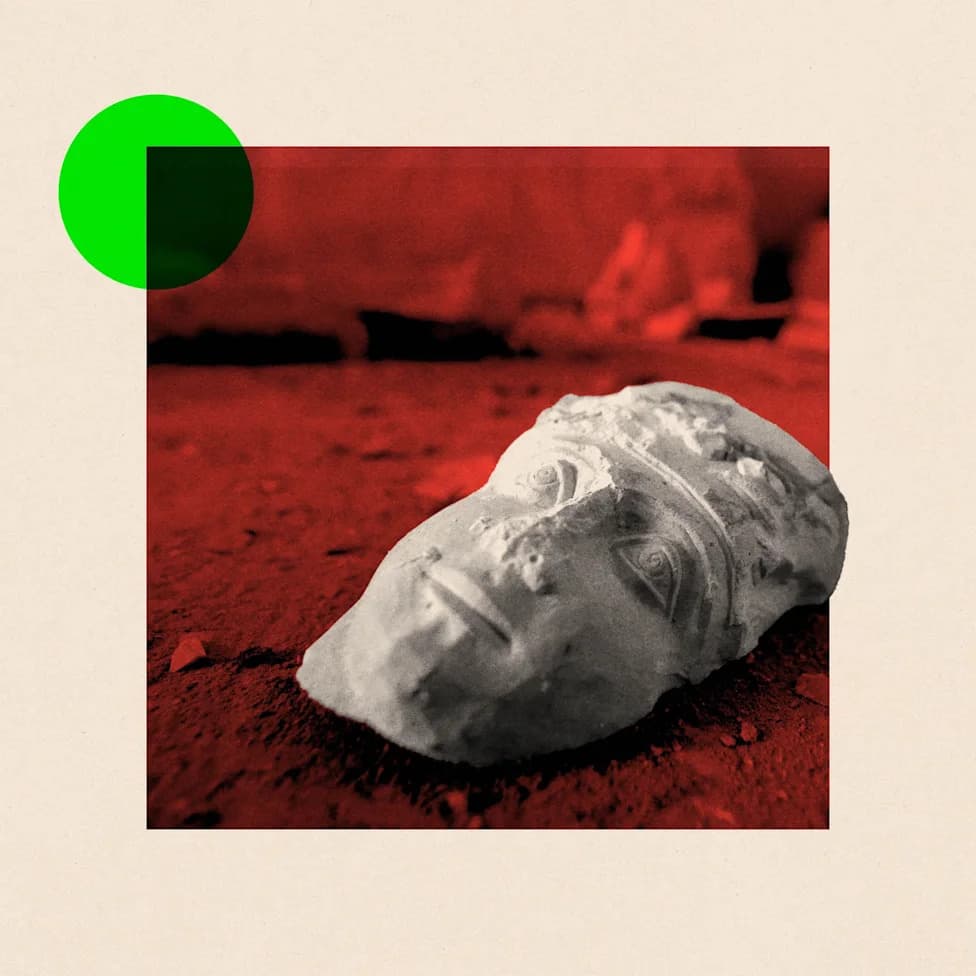
Soon after fighting intensified in April 2023, several museums and cultural sites were looted or badly damaged. Two regional museums in El Geneina and Nyala were nearly destroyed, and Khartoum’s National Museum — which reportedly held roughly 100,000 objects before the conflict — was ransacked, with videos circulating online showing fighters inside storerooms.
The museum’s collections spanned prehistory through medieval periods: artifacts from the Kerma Kingdom, the Napatan and Meroitic eras that produced Sudan’s distinctive pyramids, and later Christian and Islamic material. Among the most significant losses are mummified remains dated to around 2,500 B.C. and royal Kushite treasures.
“My heart was broken… It’s not just objects that we lost. We lost research, we lost studies, we lost many things,” Abdrabo says, describing the emotional toll of seeing cultural memory imperiled.
Urgent recovery and international response
UNESCO warned that the threat to Sudan’s cultural heritage has reached an unprecedented level, and organizations and museums worldwide have offered support. Efforts include inventories, training for police and customs officials to recognize stolen antiquities, and appeals to collectors to avoid acquiring items of questionable provenance from Sudan.
Still, researchers note the crisis has not received the same degree of international media attention as comparable emergencies, limiting resources and awareness. To coordinate recovery and fundraising, NCAM requested the creation of a Sudan Cultural Emergency Recovery Fund, a task force that seeks to unite institutions, scholars and donors around urgent recovery work.
Geoff Emberling of the Kelsey Museum of Archaeology emphasizes Sudan’s global importance: ancient Sudan was a crossroads of trade and influence connecting Egypt, the Mediterranean world and Mesopotamia and supplied much of the region’s gold. “If we’re interested in these ancient cultures, then we have to be interested in Sudan,” he says.
Digitization: painstaking, personal, essential
Abdrabo’s digital project is painstaking. Data arrive in many formats — modern spreadsheets, decades-old photographs, handwritten inventories — and must be standardized, photographed, geolocated and cross-referenced. Though colleagues at institutions such as the Louvre and the British Museum have offered assistance, much of the work currently falls to her.
With funding through April 2026, Abdrabo has recorded about 1,080 objects from the national museums so far and estimates she has completed roughly 20% of the task for the national collections alone. She worries the timeline may be too short, especially while active conflict, militia activity and mass displacement keep many storage locations unsafe.
“I’m trying to finish this database but it’s a lot… I cry when I talk about this. My only goal and message is to bring back as much as possible, to do as much as I can for Sudan,” she says.
What comes next
Teams of conservators and museum staff are working where conditions allow to clean, stabilize and inventory damaged pieces so that what remains can be compared with pre-war records. The digital inventory Abdrabo is building will be a vital tool for restitution, research and future recovery, and for protecting Sudan’s cultural identity in the long term.
Until the conflict ends, however, uncertainty remains: looted items may appear on illicit markets, archives can be lost permanently and archaeological sites may suffer irreparable damage. Abdrabo’s work — combining technical cataloguing with a deep personal commitment to her country’s past — is an attempt to keep as much of that past ready to be reclaimed as possible.
Help us improve.