Sudan’s civil war, now past 1,000 days, has driven the country to No. 4 on the Open Doors 2026 persecution list as Christians face daily bombardment, food shortages and mass displacement. Reports allege a Christmas Day drone strike killed worshippers, and the Nuba Mountains and Kordofan regions have been repeatedly attacked. International actors are pressing diplomacy and humanitarian access, but analysts warn ancient communities and sacred heritage may suffer irreversible losses.
Sudan's Christians Under Siege: Bombing, Starvation and the Risk to Ancient Communities
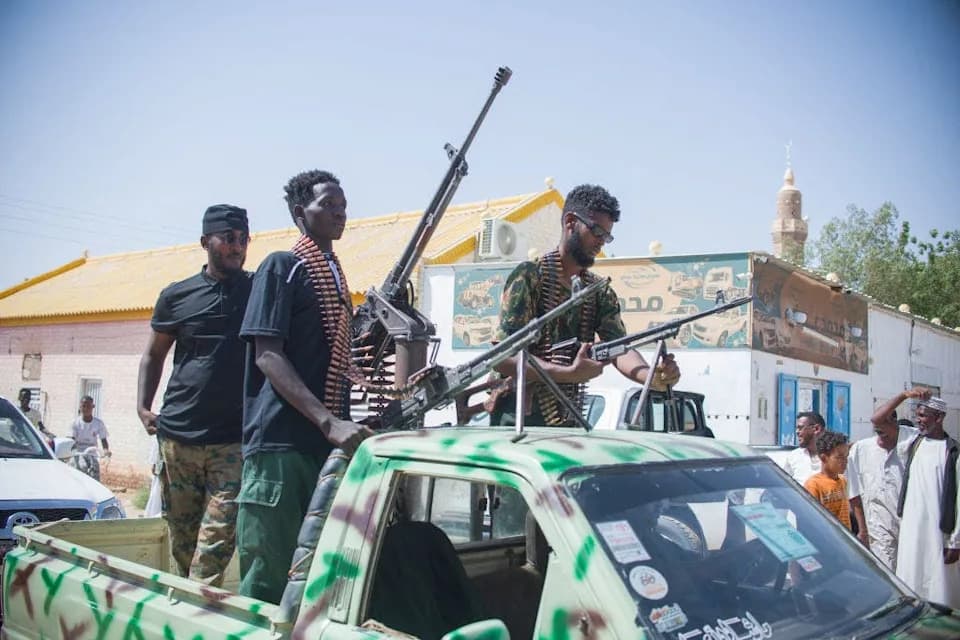
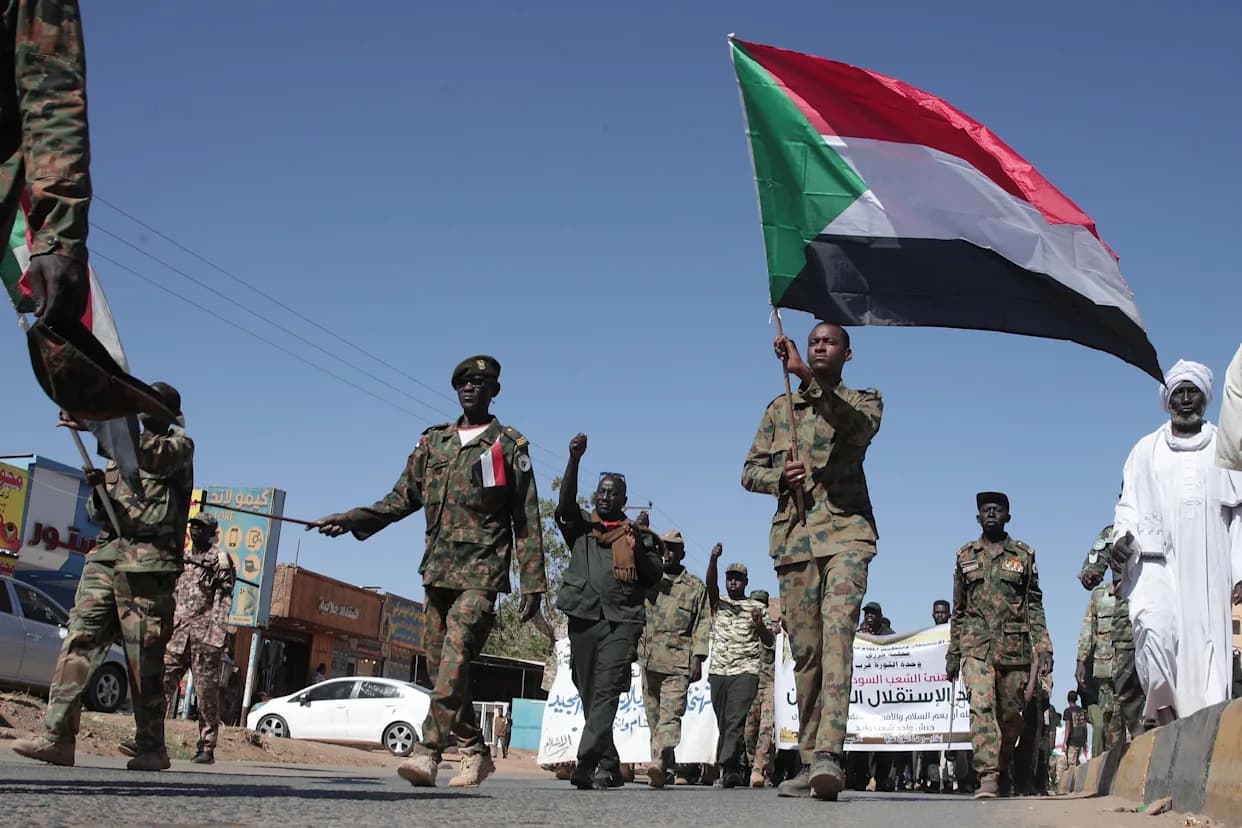
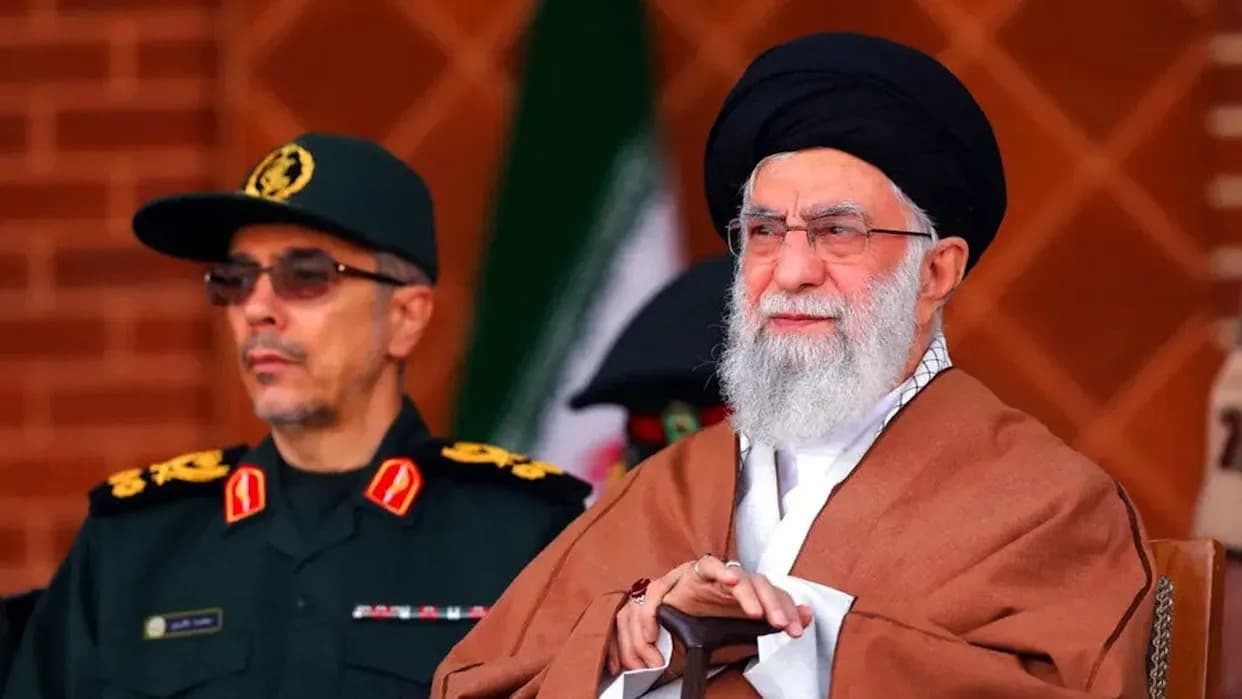
Members of the Sudanese army's Special Mission Forces battalion in the Northern State hold a parade in Karima city on May 19, 2024.(Getty Images)
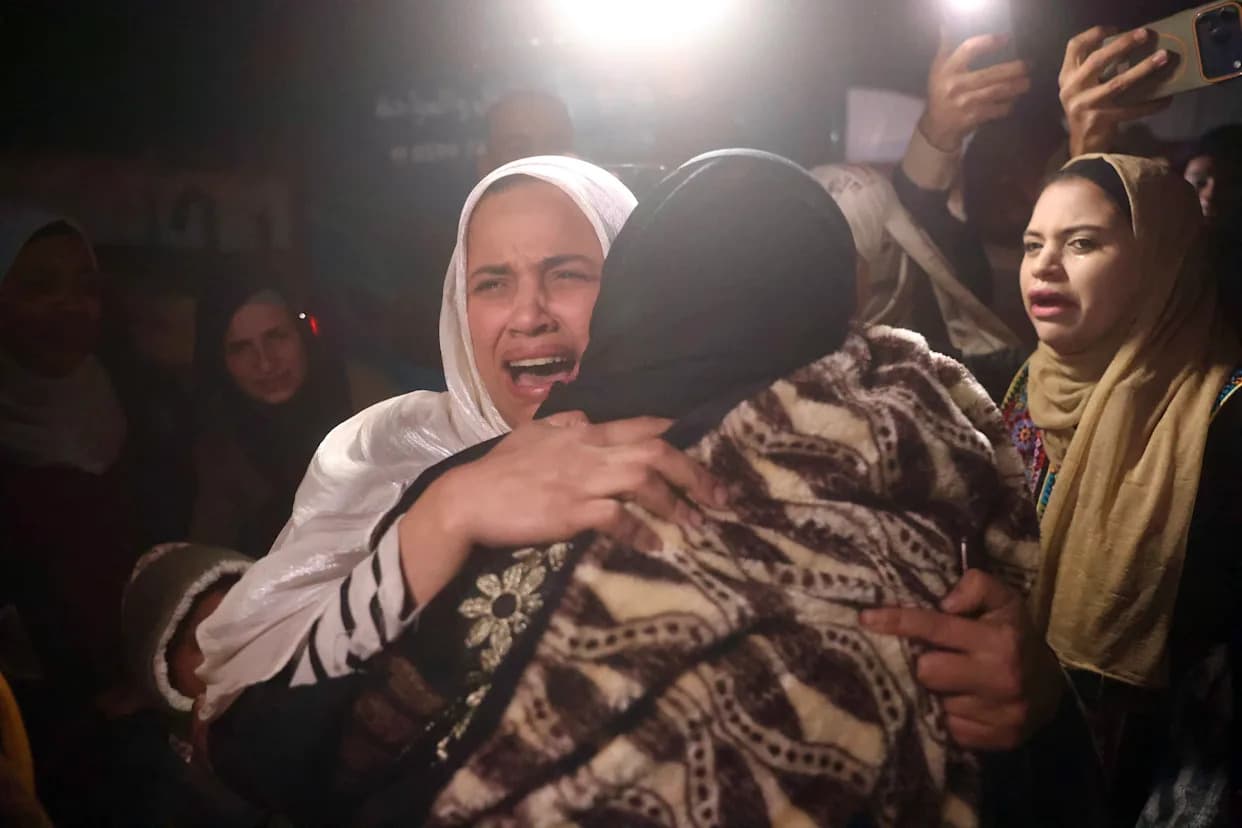
Sudanese Christians are facing escalating violence, mass displacement and severe food shortages as the country’s civil war surpasses 1,000 days. The Open Doors World Watch List for 2026 ranked Sudan No. 4 for persecution of Christians, up one place from the prior year.
Conflict and Human Toll
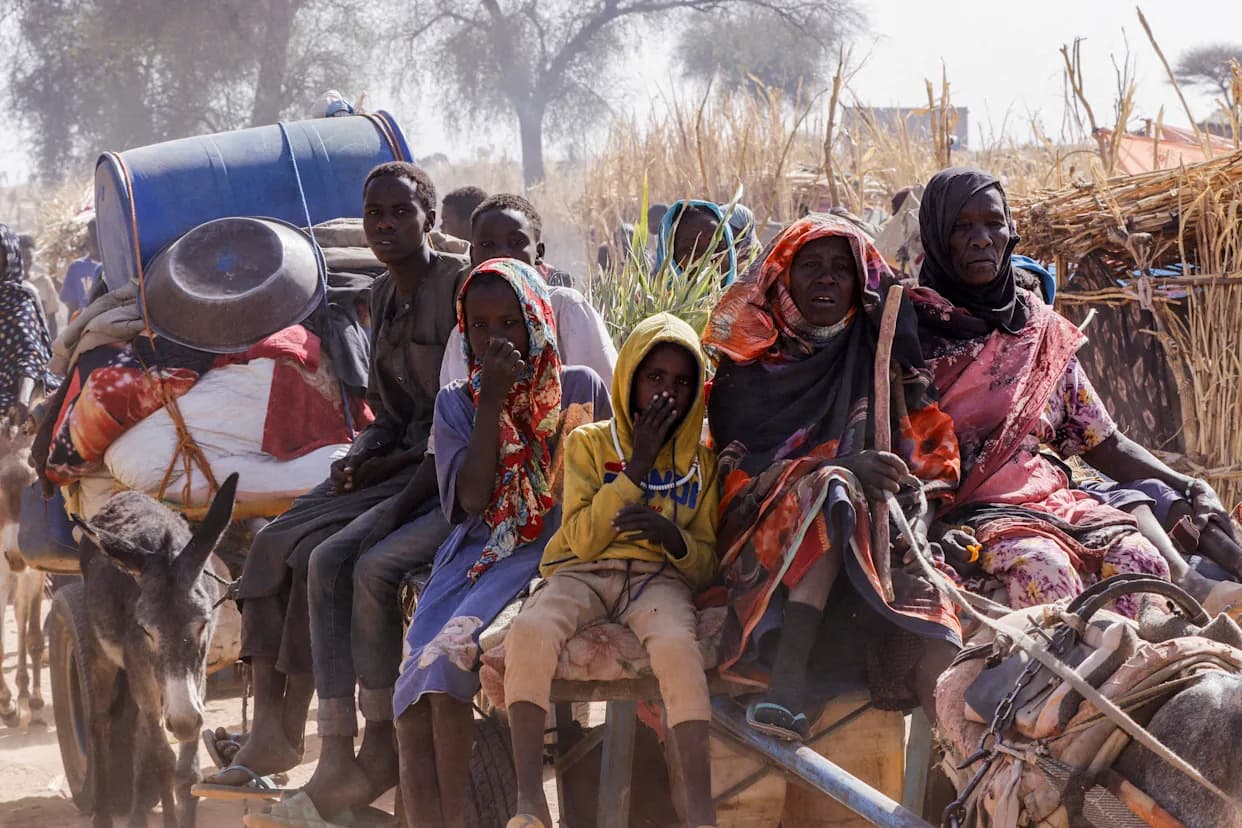
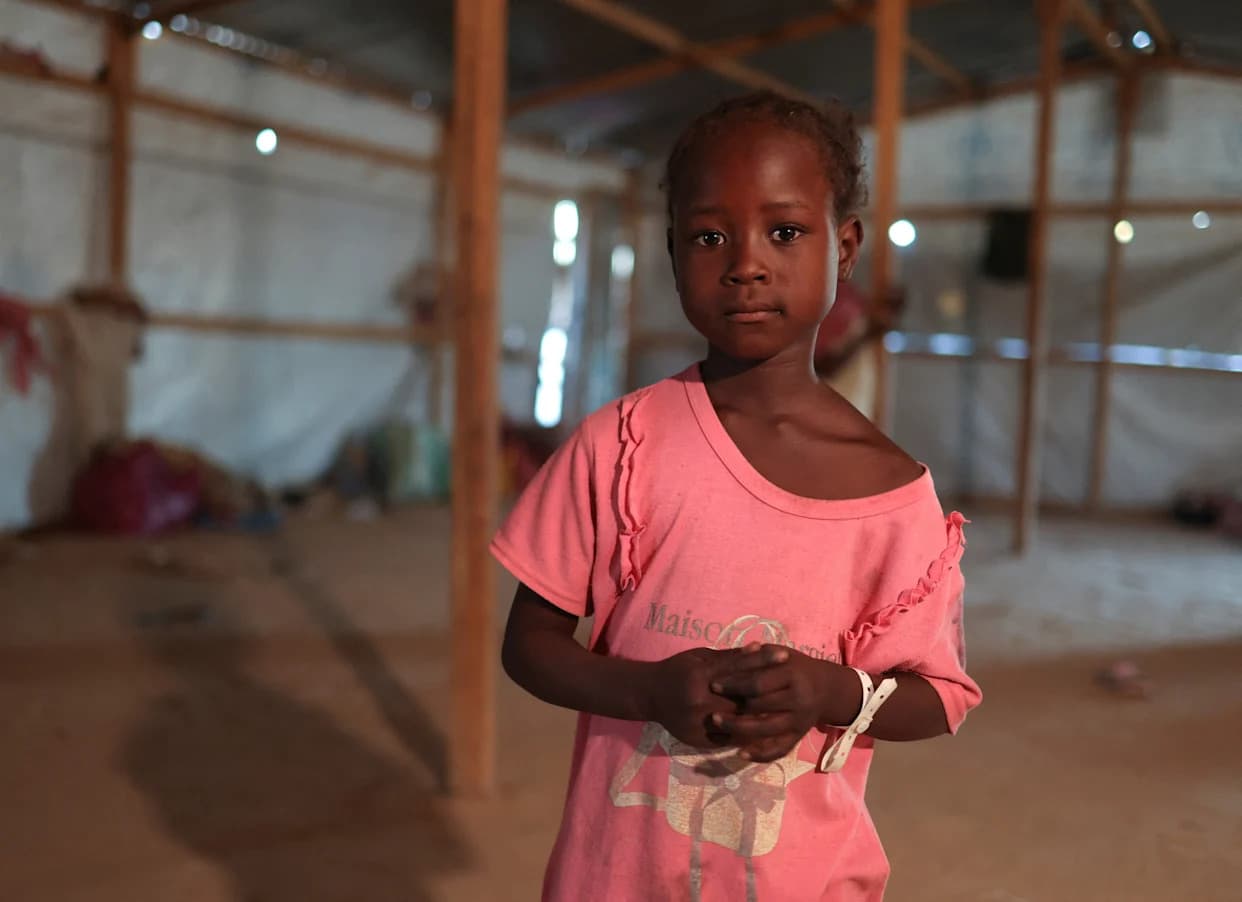
Estimates put Sudan’s Christian population at about 2 million amid a broader humanitarian crisis: observers report roughly 150,000 people killed and more than 13 million displaced since the conflict began in April 2023. Christian communities have been present in Sudan since the late first century, and many live in the Nuba Mountains in the Kordofan region — an area that humanitarians and residents say has seen sustained bombardment.
Attacks on Communities and Worshippers
Local church leaders and international reports describe repeated strikes on civilian infrastructure. Rafat Samir, general secretary of the Sudan Evangelical Alliance, told reporters that the Nuba Mountains, “where the majority of our church members are coming from, is under siege and bombing every day for the last six months or seven months.” He said that churches, a hospital and a school were bombed after Christmas.
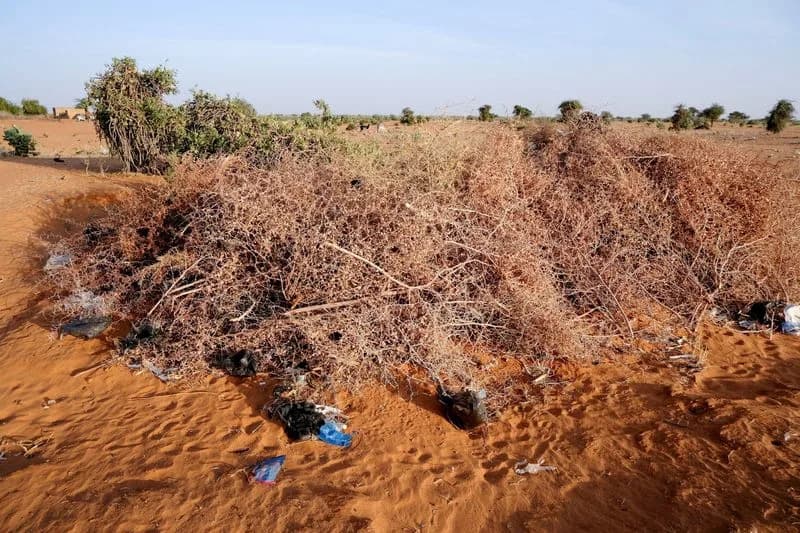
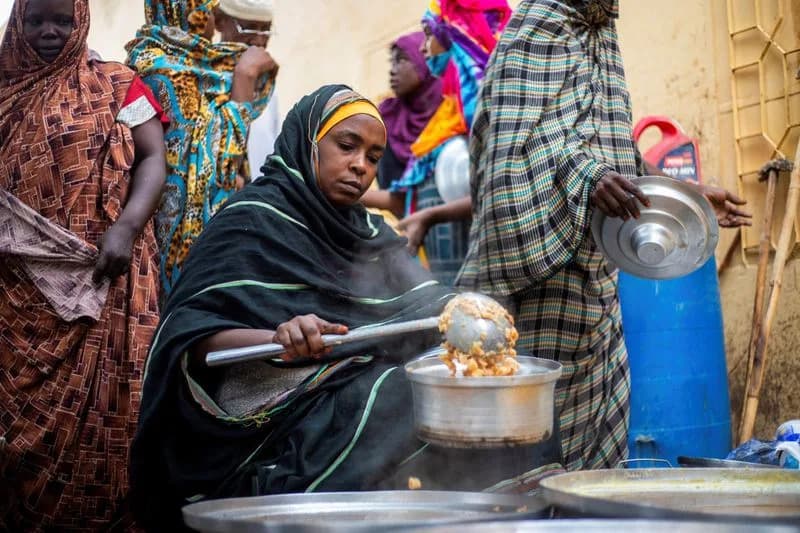
"Even the grass is gone now," Samir said, describing desperate shortages of food for many families.
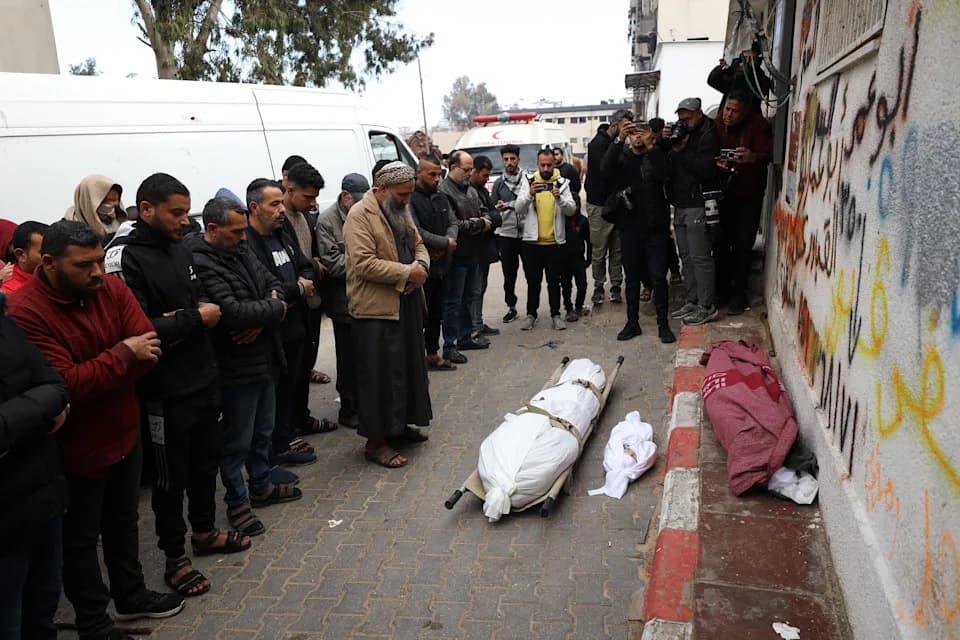
A report by the Middle East Media Research Institute (MEMRI), citing Christian Daily International, alleged that a drone strike by the Sudanese Armed Forces (SAF) killed 11 Christians and wounded 18 as they processed toward a church celebration on Christmas Day. MEMRI also reported that the SAF has links to the Muslim Brotherhood; these claims are presented as reported allegations and have been attributed to the cited organizations.
International Response and Diplomatic Efforts
The U.S. State Department told Fox News Digital that since the outbreak of fighting there has been "significant backsliding in Sudan’s overall respect for fundamental freedoms, including religious freedom," and that this erosion "especially impacts Sudan’s oppressed ethnic and religious populations, including Christians." The department also described the civilian situation as catastrophic, with millions lacking food, water and medical care.
Analysts say major international actors are pursuing diplomatic and humanitarian approaches rather than direct military intervention. Mariam Wahba, a research analyst at the Foundation for Defense of Democracies (FDD), said U.S. policy is focused on convening regional stakeholders, pressing for alignment, and prioritizing humanitarian corridors and aid delivery. She described Washington’s role as facilitator rather than enforcer and warned that translating diplomatic consensus into on-the-ground outcomes has been difficult.
Risk to Cultural Heritage and Outlook
Experts warn that the fighting is accelerating the loss of centuries-old Christian communities and sacred heritage. Wahba told Fox News Digital that such losses will be far harder to reverse than rebuilding infrastructure once the guns fall silent.
Repeated attempts to secure a ceasefire between the Sudanese Armed Forces (SAF) and the rival Rapid Support Forces (RSF) have failed. The U.N. High Commissioner for Human Rights, Volker Türk, has expressed concern that atrocity crimes could be repeated in Kordofan, which he described as “extremely volatile” due to heavy shelling, drone bombardments and airstrikes.
A Message From Church Leaders
Despite the violence and hardship, community leaders voiced resilience and faith. Samir said, "The Holy Spirit is moving and God's hand is working in our country. Through this evil, this darkness, the light of the love of our God is lighting in many hearts." He added that church members pray for one more day to proclaim their faith.
Note on Sources: This article summarizes reporting from Fox News Digital, MEMRI, Christian Daily International, the U.S. State Department and statements by local church leaders and analysts. Allegations reported by third parties are attributed accordingly.
Help us improve.