Drone strikes have intensified around al-Obeid in central Sudan as the RSF pushes from Darfur into Kordofan, residents and analysts say. Satellite imagery shows roughly 100 new burial mounds and damage to the city's power station, while eyewitnesses describe deadly strikes—most notably a Nov. 5 attack on a funeral that reportedly killed 65 women and children. An early January strike hit a home sheltering displaced relatives, killing members of one family, and tens of thousands have fled the region since late October.
Drone Strikes Escalate Around Al-Obeid as Sudan War Tightens Its Grip
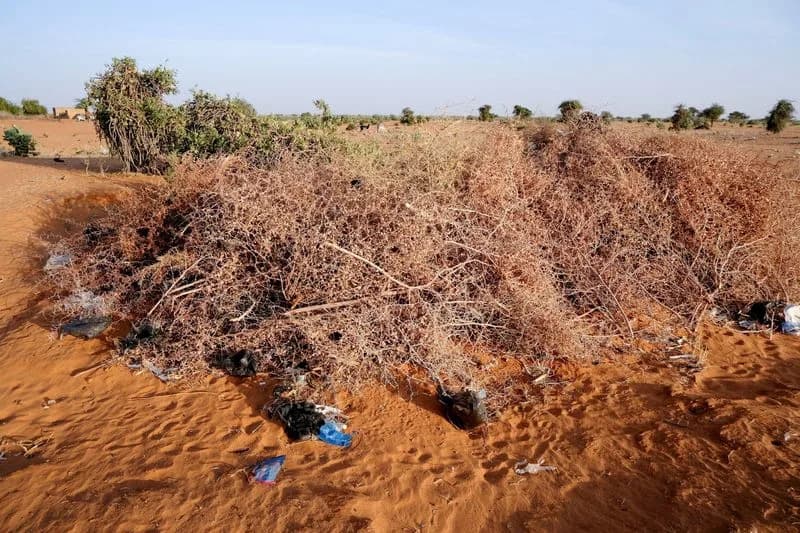
A burial site for the victims of a drone strike, in El Obeid, North Kordofan State, Sudan, January 14, 2026. REUTERS/El Tayeb Siddig
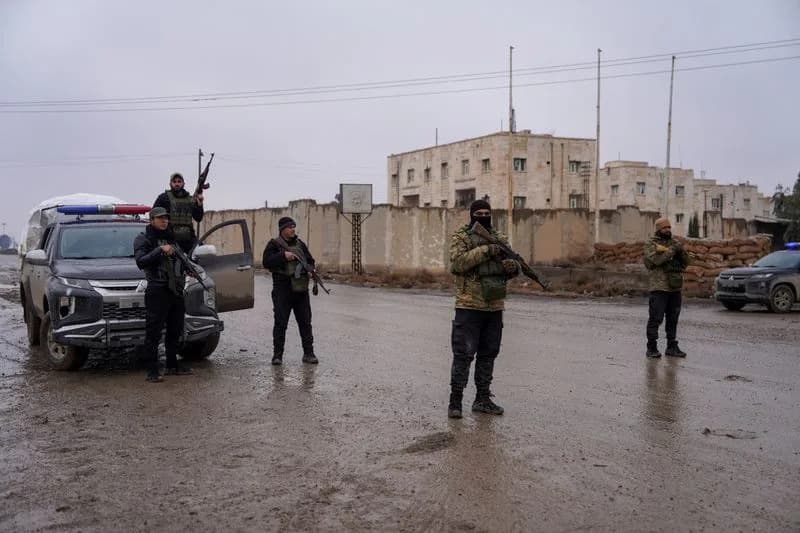
EL OBEID, Sudan, Jan 21 — Drone strikes have intensified in and around al-Obeid, the capital of North Kordofan, as Sudan's brutal conflict edges closer to the army-held city, residents say. Witnesses and satellite analysts report heavy civilian tolls and signs of mounting defensive preparations.
Background
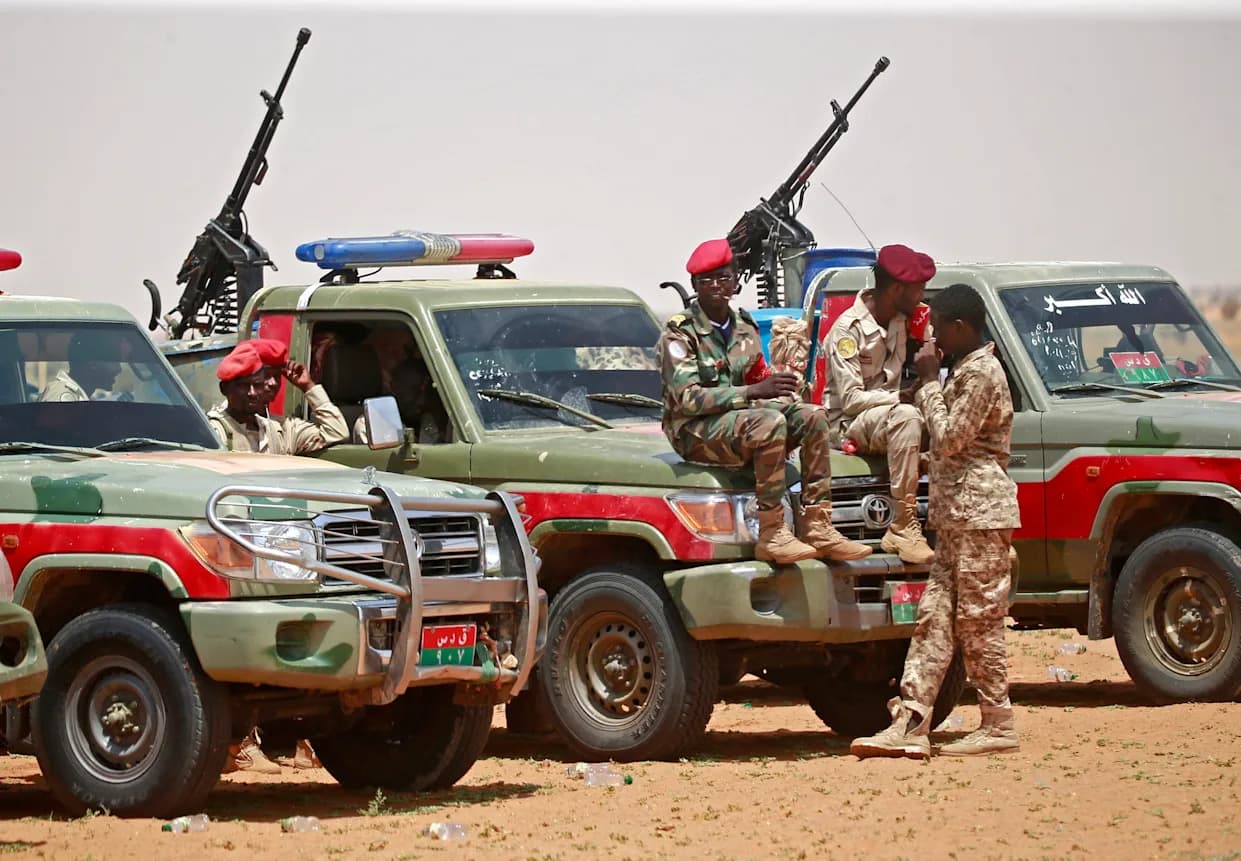
Sudan's war, which began in April 2023 when the army and the paramilitary Rapid Support Forces (RSF) clashed over their roles in a planned political transition, has devastated the country. The fighting has driven millions into hunger, strained public services, and—according to researchers—killed at least tens of thousands. In recent months the RSF has expanded operations from its Darfur stronghold into Kordofan, using drones increasingly to challenge the army's earlier air advantage.
Reported Attacks Near Al-Obeid
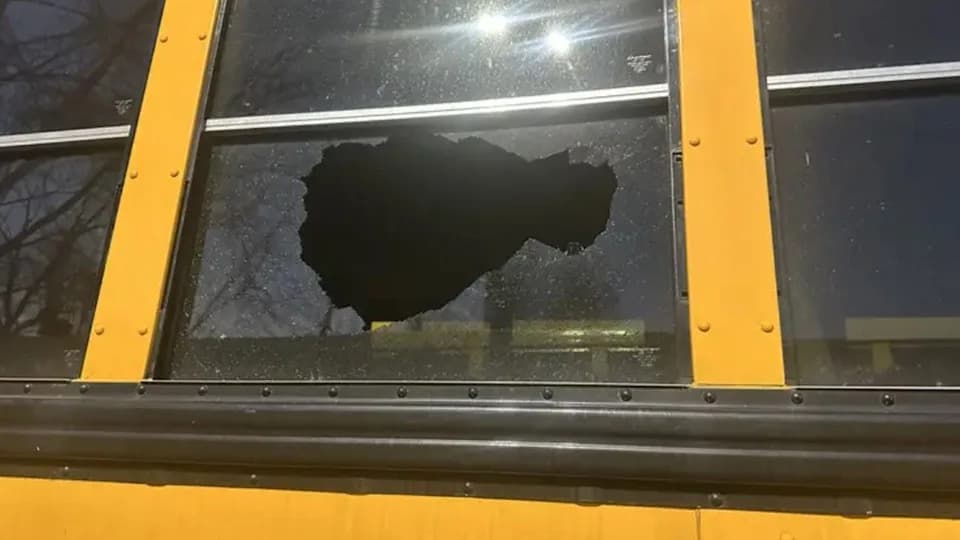
Residents say drone strikes have hit al-Obeid and surrounding towns on a near-weekly basis since late October. Two incidents stand out in local accounts: a Nov. 5 strike in the village of al-Luweib that reportedly hit a funeral gathering and a strike in early January that struck a rented home in al-Obeid housing displaced relatives.
Four al-Luweib residents told Reuters the Nov. 5 attack killed 65 people—mostly women and children—after an ambulance belonging to the army-aligned Joint Forces drove past and a drone followed. Reuters was not able to independently verify the accounts and the RSF did not respond to requests for comment.
Satellite Evidence And City Preparations
Satellite imagery analyzed by the Yale Humanitarian Research Lab shows about 100 new burial mounds appearing in two al-Obeid cemeteries between Jan. 2 and Jan. 14. The imagery also indicates bombardment damage at the city's power station and the construction of berms around parts of al-Obeid—possible defensive works against encirclement.
Human Cost And Displacement
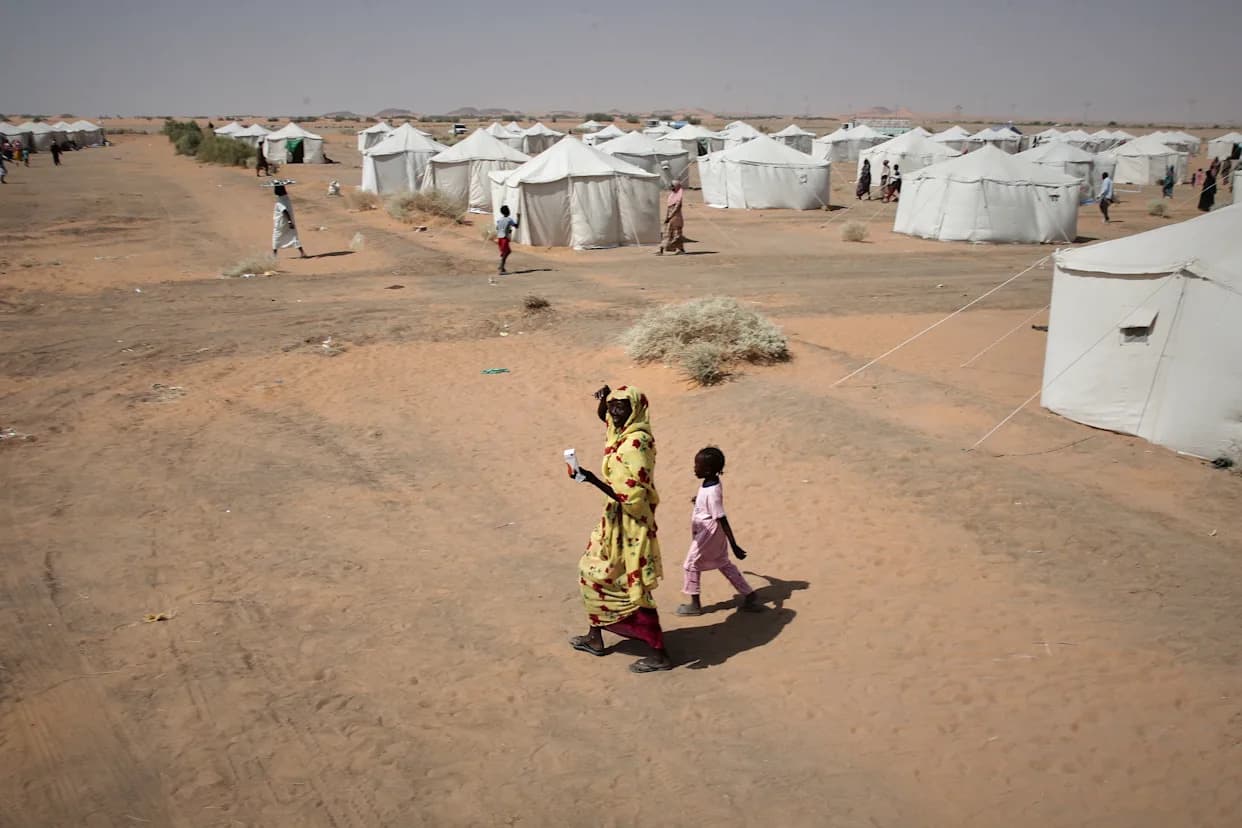
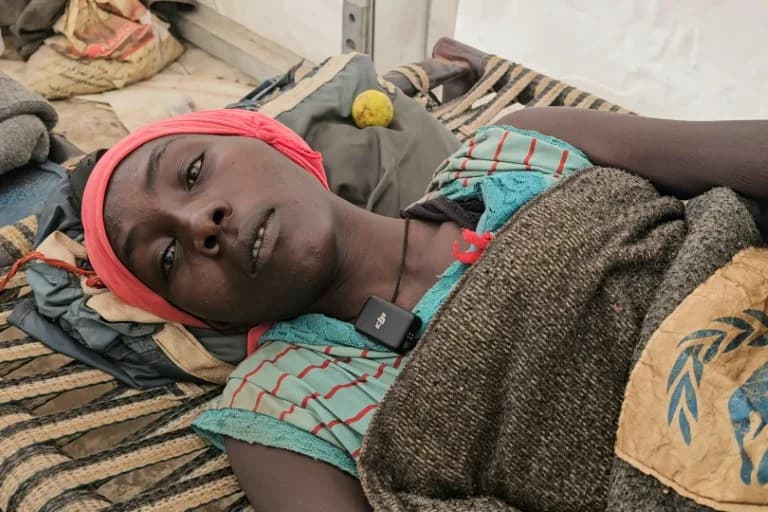
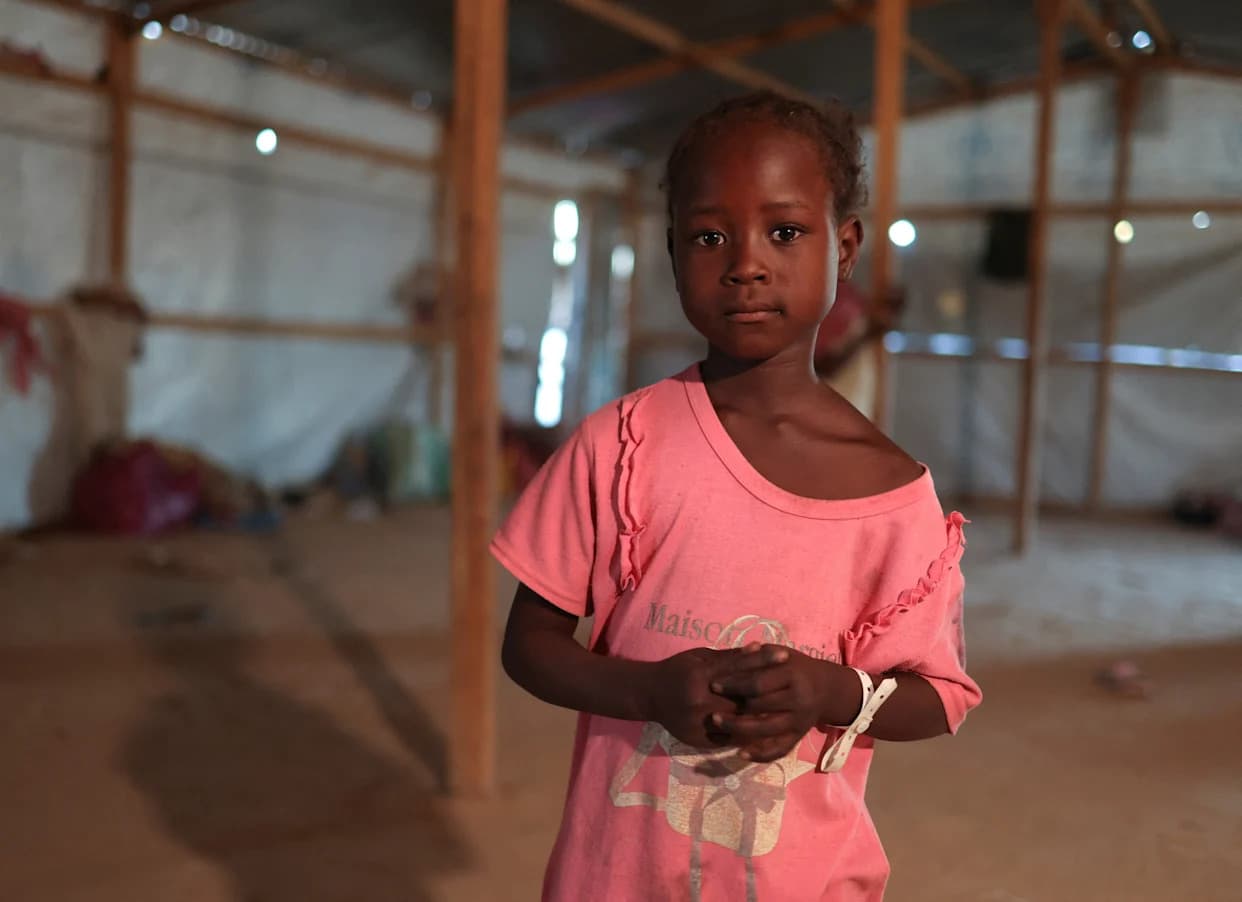
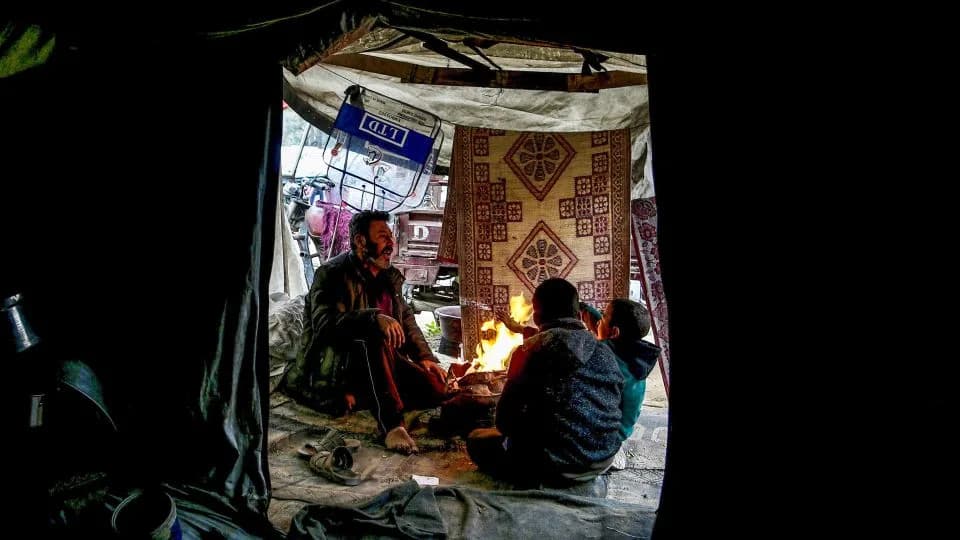
In the early January strike, residents say a drone hit a house where displaced relatives had sheltered after fleeing earlier violence; one man told Reuters his wife, seven grandsons and two other female relatives were killed. Neighbors described finding children under rubble and wreckage. According to the U.N. International Organization for Migration (IOM), roughly 43,000 people fled homes in North Kordofan and about 65,000 left the wider Kordofan region between late October and Dec. 31.
Verification And Context
Eyewitness testimony, NGO and U.N. displacement figures, and satellite imagery together point to an escalation in both attacks and their humanitarian impact. However, independent verification of specific attack claims remains limited. The RSF did not reply to Reuters' request for comment on the incidents described by residents.
Outlook: With army and allied forces positioned on al-Obeid's outskirts and the RSF advancing across Kordofan, civilians face increased risk from drone strikes and ground fighting. Humanitarian access and reliable casualty reporting remain major challenges.
Help us improve.