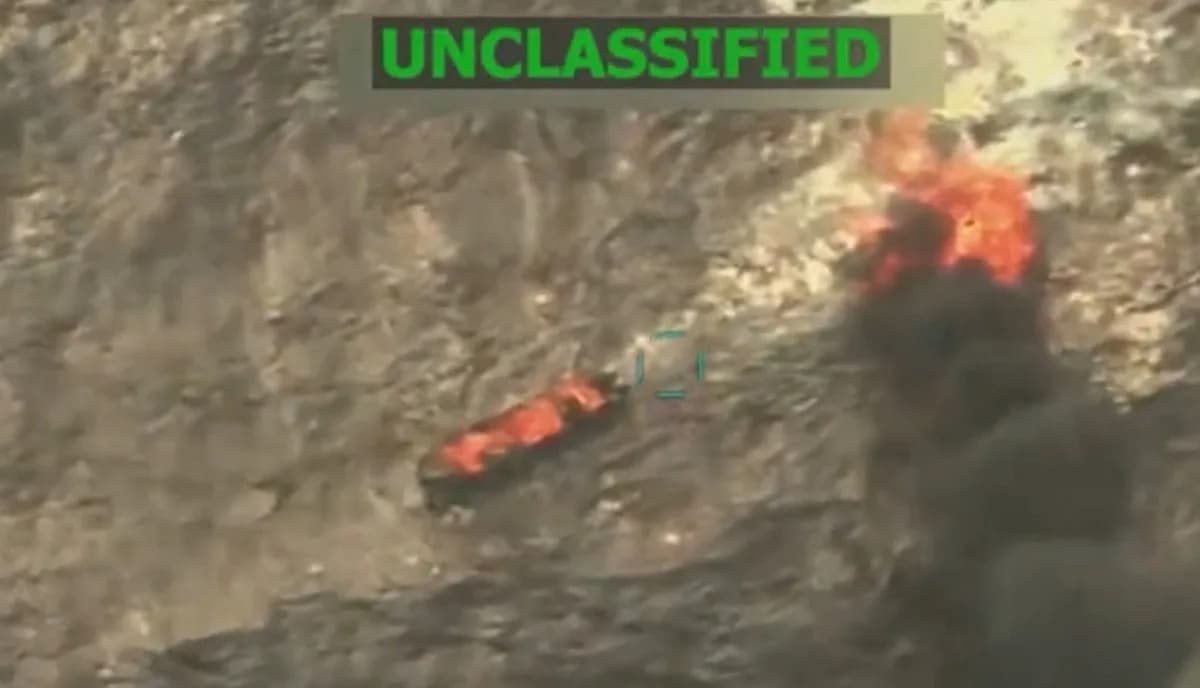
The U.S. military launched a second strike on a suspected drug-smuggling vessel in the Caribbean on Sept. 2 after an initial attack left survivors in the water; the follow-up attack sank the ship and raised the reported death toll from that incident to 11. Sources say the second strike deliberately targeted survivors, a tactic critics call a "double-tap." Legal experts and some defense lawyers warn the practice may violate the law of armed conflict, while the administration maintains the operations are lawful and aimed at terrorist-linked traffickers. Congressional and international concerns have prompted calls for greater oversight and independent review.
‘Double-Tap’ Strike in Caribbean Killed Survivors of Suspected Drug Boat, Sources Say — 11 Dead

U.S. military forces carried out a follow-up strike on a suspected drug-smuggling vessel in the Caribbean on Sept. 2 after an initial attack left people in the water, according to people familiar with the operation. The second strike sank the ship and killed the remaining crew, bringing the reported death toll from that incident to 11.
What happened
Sources say the first strike appeared to disable the vessel and cause fatalities, but military assessments concluded there were survivors in the water. A subsequent attack was launched that killed those survivors and sank the boat. Pentagon officials later told lawmakers the second strike was intended to sink the vessel so it would not pose a hazard to navigation, and acknowledged awareness that people were incapacitated in the water after the first strike.
Orders and public statements
One source said Secretary of Defense Pete Hegseth had previously ordered military forces to ensure a strike left no one alive on board, though it is unclear whether he knew survivors remained before the second attack. President Donald Trump publicly announced the operations on the day they occurred and later described one Sept. 2 action on social media as "a kinetic strike against positively identified Tren de Aragua narcoterrorists in the SOUTHCOM area of responsibility." The administration continues to defend the maritime operations as lawful and necessary.
Legal and political concerns
Lawmakers, legal experts and some senior defense officials have raised alarms about the so-called "double-tap" tactic — striking a target more than once so that those rendered incapacitated are killed. Critics warn this may violate the law of armed conflict, which prohibits attacking persons who are hors de combat (incapacitated by injury or surrender) and requires humane treatment.
"They're killing civilians in the first place, and then if you assume they're combatants, it's also unlawful — under the law of armed conflict, if somebody is 'hors de combat' and no longer able to fight, then they have to be treated humanely," said Sarah Harrison, a former Pentagon lawyer who now works as a legal analyst.
Democratic Rep. Madeleine Dean, who reviewed classified briefings as a member of the House Foreign Affairs Committee, said she found no clear evidence in official materials justifying the sinkings and killings and voiced concern about the lack of congressional consultation.
Legal rationale and counterarguments
The administration has tried to justify the strikes by characterizing the targeted vessels as carrying members of organized criminal groups and by relying on classified legal opinions that, according to sources, argue the president can authorize lethal strikes in self-defense against certain drug cartels and networks. Many independent international-law experts and Department of Defense lawyers disagree, saying suspected traffickers should be treated as civilians and that the strikes risk amounting to unlawful, extrajudicial killings.
Critics note specific operational details that undermine claims of imminence: in at least one reported case, a vessel was turning away from the United States before it was struck, and survivors from the Sept. 2 incident were effectively incapacitated and posed no immediate threat.
Institutional fallout
Senior defense officials raised doubts internally. The commander of U.S. Southern Command reportedly offered to step down after pressing questions about the strikes' legality; he is due to leave his post later this year. Lawyers in the Department of Defense's Office of General Counsel and multiple uniformed legal officers also flagged concerns.
Internationally, one key ally has suspended sharing intelligence on suspected narcotics vessels to avoid being complicit in operations it views as potentially unlawful.
Context and next steps
Before this campaign, maritime drug interdiction in the region was primarily handled by law enforcement and the U.S. Coast Guard, with suspects subject to arrest and due process. The reported shift to kinetic strikes has prompted calls for greater congressional oversight, transparent legal justification and independent review. The administration continues to assert its actions comply with U.S. and international law, while critics press for clear evidence and accountability.
Help us improve.