Key points: Amazon is proactively sending educational messages to U.S. and U.K. customers to highlight impersonation scams ahead of the holidays. Scammers often pose as Amazon representatives via phone, email, text or social media to steal account credentials, banking information or to request payments outside Amazon. The FTC's 2021 data showed Amazon was the most-impersonated company, with reported losses exceeding $27 million. If you suspect a scam, verify orders in your official Amazon account and report suspicious messages to [email protected] or to the FTC at www.reportfraud.ftc.gov.
Amazon Warns Shoppers: How to Spot and Avoid Impersonation Scams This Holiday Season

Overview
Amazon has begun sending educational messages to customers in the U.S. and U.K. to raise awareness about impersonation scams as the holiday shopping season approaches. These messages are intended to educate customers about common tactics scammers use, not to signal a specific breach or urgent alert.
How impersonation scams work
Impersonation scams occur when fraudsters pose as trusted organizations or representatives—in this case, people claiming to be from Amazon—to trick victims into revealing personal information, transferring money, or granting remote access to devices. Scammers commonly reach people by phone, email, text or social media messages.
Typical scam tactics
- False urgency: Pressuring victims to act immediately to avoid an alleged problem.
- Requests for personal information: Asking for addresses, login credentials, payment data, or Social Security numbers.
- Payments outside Amazon: Directing victims to pay through third-party sites, wire transfers or by purchasing gift cards and sharing codes.
- Remote access: Asking victims to install software or give remote control of their computer or phone.
- Unexpected orders or delivery notices: Notifying victims of purchases they did not place to prompt quick responses.
Why Amazon is a common target
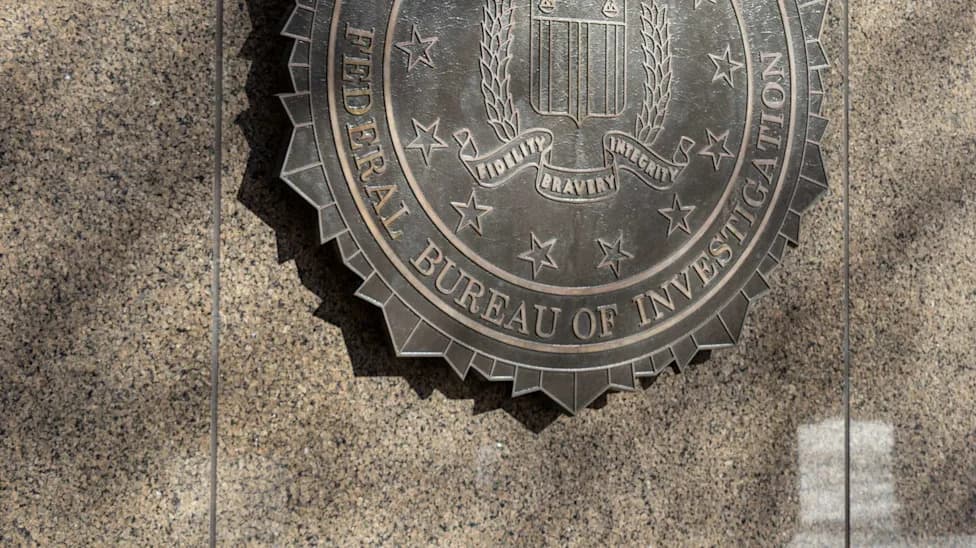
With an estimated 310 million active users worldwide (AMZScout), Amazon is frequently impersonated. A 2021 Federal Trade Commission report found that roughly one in three people contacted by someone claiming to be from Amazon reported a scam attempt; Amazon was the most-impersonated company in that study. The FTC reported about 96,000 people said they were targeted, nearly 6,000 reported losing money, and total reported losses exceeded $27 million, with a median individual loss of about $1,000.
What to do if you suspect a scam
- Do not provide personal, login, or payment information in response to an unsolicited contact.
- Do not transfer money or provide gift card codes to anyone who claims to be from Amazon.
- Check your order history via the official Amazon website or mobile app if you receive a notification about an order you didn’t place.
- If someone asks you to install software or give remote access, decline and treat it as suspicious.
How to report suspicious contact
Amazon provides scenario-specific reporting on its help pages, including options for people who have shared account information, banking details, given remote access, or who want to report suspicious products, sellers or unsolicited packages. People without an Amazon account can report suspicious messages by emailing an attachment of the message to [email protected]. Amazon may send automated responses but does not guarantee a personalized reply.
Other options include filing a complaint with the Federal Trade Commission at www.reportfraud.ftc.gov.
Amazon also points customers to quick-reference pages on identifying and reporting scams: https://www.tinyurl.com/AmazonIDScams and https://www.tinyurl.com/AmazonScamReport.
"We will continue to invest in protecting consumers and educating the public on scam avoidance," said Christy Vargas of Amazon's public relations team. Amazon encourages customers to report suspected scams so the company can help protect accounts and refer bad actors to law enforcement.
Bottom line: Be skeptical of unsolicited contacts that request personal data or payments outside official channels. Verify messages by signing into your Amazon account directly, and report suspicious activity via Amazon’s reporting page or the FTC.
Help us improve.