Dozens of migrants are stranded at the Chacalluta–Santa Rosa crossing on the Chile–Peru border after being denied entry into Peru while attempting to leave Chile ahead of the Dec. 14 runoff. Videos and local footage show families, including children, gathered at the crossing. Chilean authorities confirmed a concentration of migrants, while Peru’s interim president said he may declare a border state of emergency. The situation is driven in part by statements from far‑right candidate José Antonio Kast threatening forcible expulsions of roughly 330,000 undocumented migrants if elected.
Migrants Stranded at Chile–Peru Border Amid Fears of Forced Expulsions Ahead of Runoff

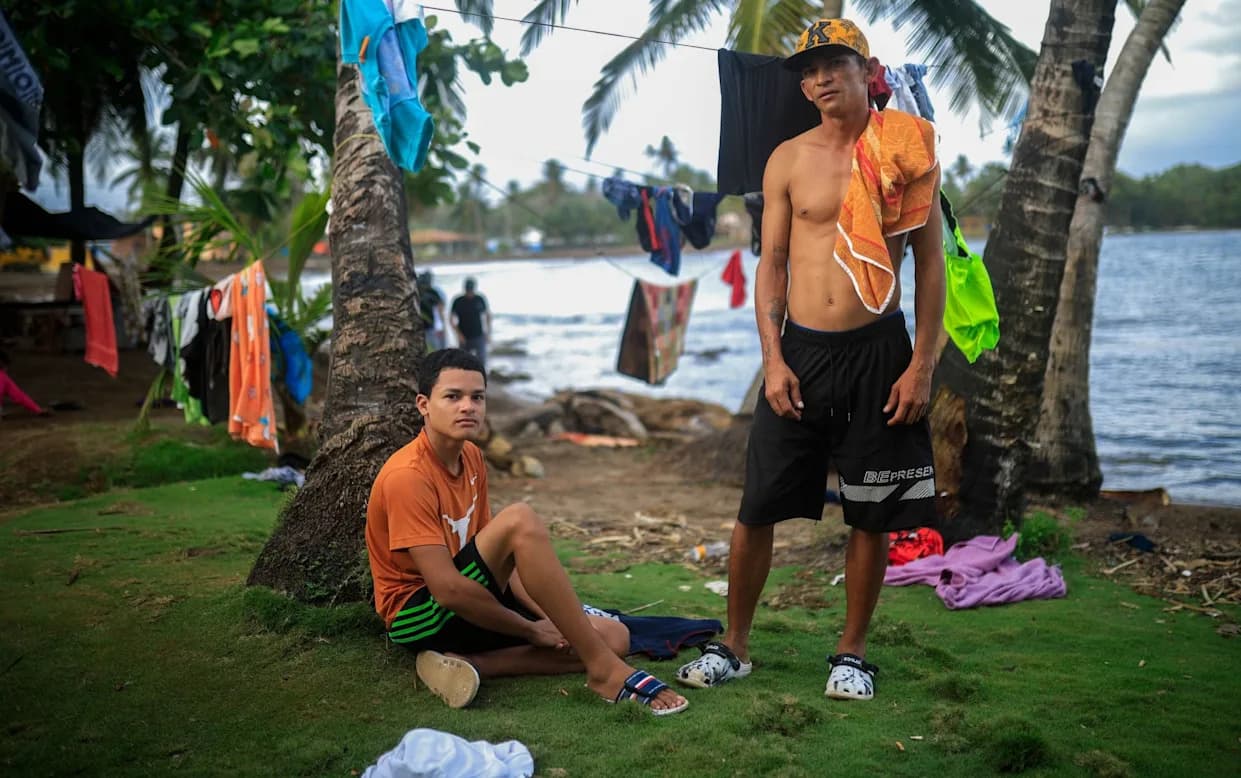
Dozens of migrants who say they are leaving Chile because they fear forced removal if far‑right presidential contender José Antonio Kast wins the Dec. 14 runoff are stranded at the Chile–Peru border, officials reported. Video shared by the regional governor and footage from Peruvian broadcasters show groups, including children, gathered at the Chacalluta–Santa Rosa crossing after being unable to cross into Peru.
Border standoff
A Venezuelan migrant who asked not to be named told reporters the group was trying to leave Chile "for fear that they remove us by force" if Kast becomes president. Chile's Security Minister Luis Cordero confirmed there had been "a concentration of migrants" seeking to depart but did not provide a precise headcount.
Peruvian authorities also reported difficulties at the crossing. Images showed migrants carrying children along the highway near the border point, underscoring the humanitarian dimension of the standoff.
Political context
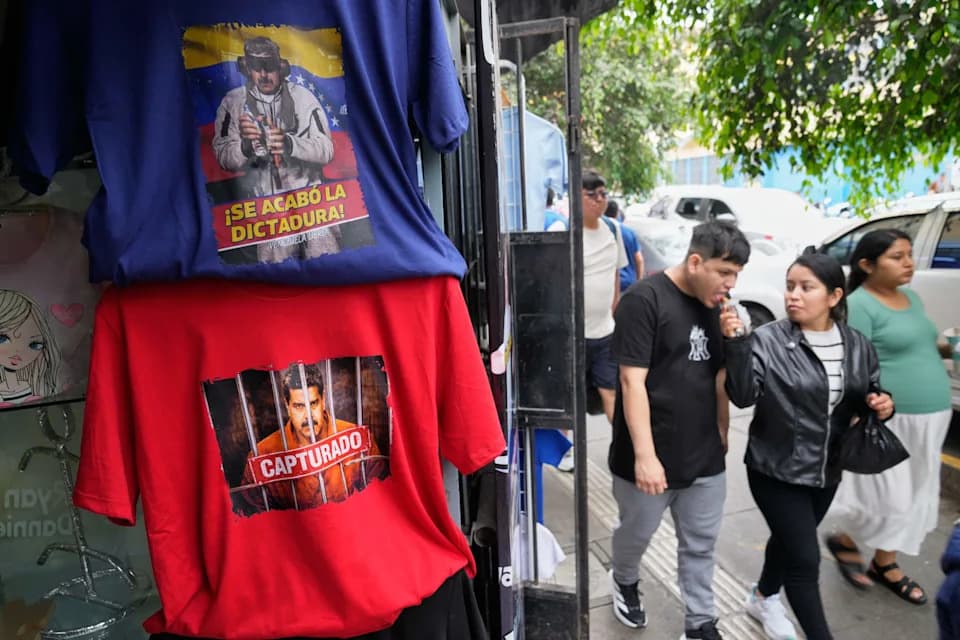
The movement comes just over two weeks before the presidential runoff, which pits Kast against left‑wing candidate Jeannette Jara. Kast, a 59‑year‑old ultraconservative and former MP, has warned roughly 330,000 undocumented migrants in Chile that they should sell their belongings and leave voluntarily or face forcible expulsion if he takes office. In a video message he gave migrants "103 days" to depart voluntarily, referring to the March 11 inauguration date for the next president.
On the Peruvian side, the interim president said on social media that he intended to declare a state of emergency at the border to prevent a sudden influx of arrivals, a move that could further restrict crossings and leave migrants in limbo.
Broader migration dynamics
Peru is both a country of origin and a transit route for people fleeing poverty and violence elsewhere in Latin America who aim to reach Chile, one of the region's more prosperous and stable nations. The recent reverse movement illustrates how political rhetoric and election outcomes can rapidly reshape migration flows and create urgent humanitarian challenges at border crossings.
Key facts: Dozens stranded at Chacalluta–Santa Rosa; children among those affected; Chilean officials acknowledge the concentration; Peru considering a border state of emergency; Kast has threatened mass expulsions affecting roughly 330,000 undocumented migrants.
Help us improve.