The RePAIR project is testing a twin‑armed robotic system in Pompeii to help reassemble fragmented Roman frescoes. Launched in 2021 and coordinated by Ca' Foscari University, the initiative combines AI-driven image matching with ultra-precise robotic manipulators. Initial trials used replicas of ceiling frescoes damaged in the eruption and later shattered in World War Two, plus pieces from the House of the Gladiators. Researchers say the work is like solving multiple jigsaw puzzles at once, complicated by missing pieces and no reference image.
Robots Rebuild Pompeii: AI and Twin‑Armed Machines Piece Together Ancient Frescoes
By Matteo Negri
Archaeologists in Pompeii are testing an innovative robotic system that could give new life to ancient Roman frescoes long shattered and buried. Developed under the EU-funded RePAIR project and coordinated by Ca' Foscari University of Venice, the system pairs advanced image recognition and AI-driven puzzle-solving with ultra-precise robotic manipulators to assist in one of restoration's most painstaking tasks.
How the system works
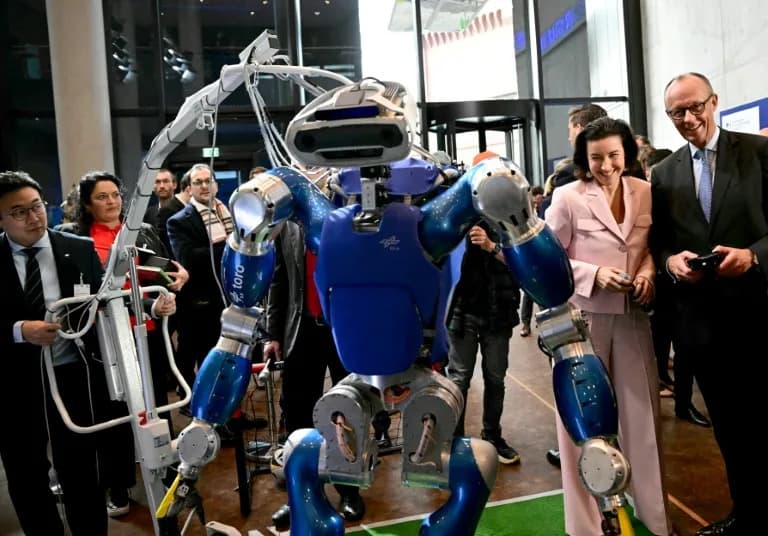
The robot operates with twin arms equipped with flexible hands available in two sizes and multiple vision sensors. AI algorithms analyze colour, texture and pattern to suggest likely joins, and the robot carefully grips and positions fragments to assemble them without harming fragile surfaces.
Testing at Pompeii
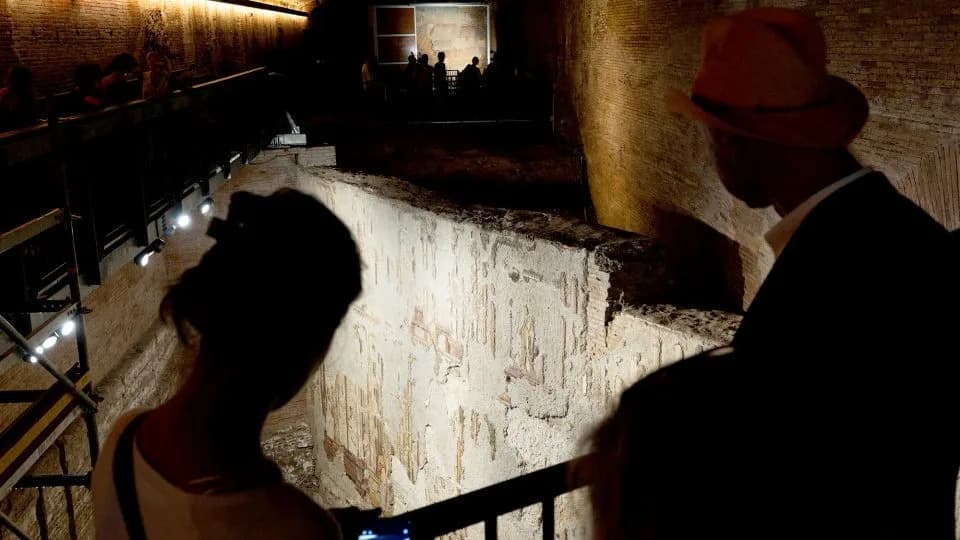
The project, launched in 2021, staged a demonstration in Pompeii that brought together international research teams using the site as a real-world laboratory. Teams focused on fragments stored in Pompeii's repositories: two large ceiling frescoes damaged in the AD 79 eruption and later shattered during World War Two bombing, and frescoes from the so-called House of the Gladiators, which suffered collapse in 2010.
To avoid risking original works, replicas were produced for the initial tests. While robotics engineers developed the hardware, specialists in artificial intelligence and machine learning built reconstruction algorithms that can match colours and motifs invisible to the naked eye.
"The experimental project actually started from a very concrete necessity to recompose fragments of frescoes that had been destroyed during the Second World War," said Pompeii's director Gabriel Zuchtriegel.
Project coordinator Marcello Pelillo compares the work to solving multiple jigsaw puzzles at once, complicated further by missing pieces and the absence of a reference image for the finished composition.
"It's like you buy four or five boxes of jigsaw puzzles, mix everything together, throw away the boxes, and try to solve four or five puzzles at the same time," Pelillo said.
Implications
Researchers say the combination of AI and delicate robotic manipulation could accelerate restoration workflows, reduce manual strain on conservators, and help reconstruct artworks that would otherwise remain too fragmentary to restore. The teams stress that human expertise remains central: conservators validate AI suggestions and guide delicate assembly decisions.
The RePAIR project demonstrates a cautious, collaborative approach—using replicas and multidisciplinary teams—to explore how emerging technologies can support cultural heritage preservation while minimizing risk to irreplaceable originals.
Help us improve.