International student enrollment in the U.S. is falling sharply — and the economic stakes are high. Arrivals this August dropped nearly 20% year-over-year, and many universities report steep declines in new international students. Policy changes and uncertainty around visas, post-graduate work rights and screening are driving the shift, while competing countries expand pathways for talent. Reversing the trend will require action by the State Department, Congress, courts and coalitions of universities and employers.
The U.S. Economy Needs International Students — Act Now to Keep Global Talent

This is the time of year when high school seniors around the world make one of the biggest decisions of their lives: where to attend college. For decades, the United States has been the top destination for international students — a magnet for talent, innovation and ambition. American colleges and universities enrolled more than 1.1 million international students last year, who helped drive research, startups and local economies from coastal tech hubs to small college towns.
Recent data show a sharp reversal of that trend: arrivals of international students to the U.S. fell nearly 20 percent this August compared with the same period last year, the steepest drop on record outside the pandemic years. Several institutions are already seeing dramatic declines — Niagara University reported a 45% drop in international enrollment, DePaul University a 62% fall in new international graduate students, and some flagship public campuses have seen international freshman numbers decline by more than 35%.
Policy choices are driving the decline
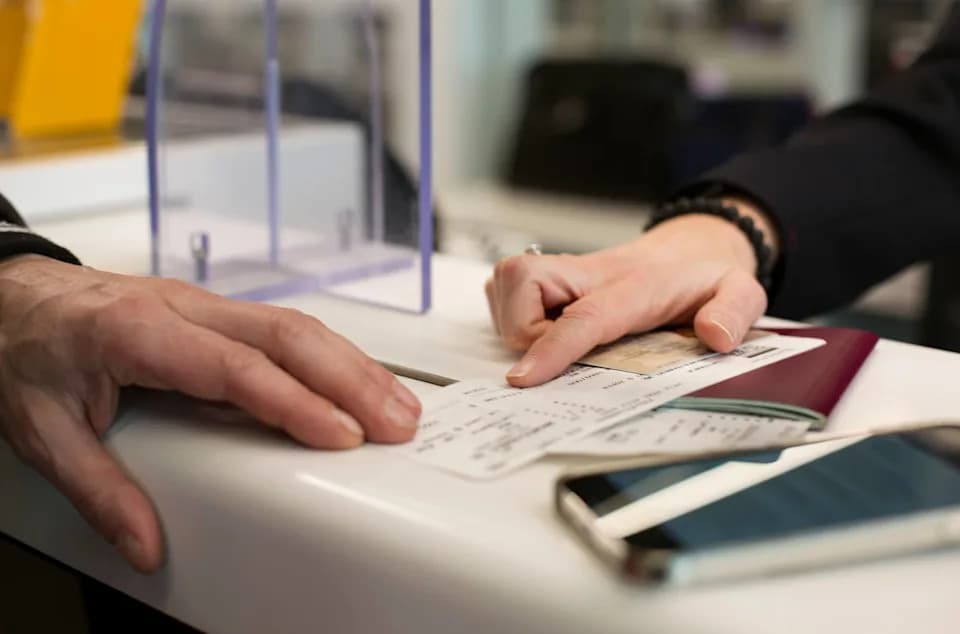
These losses are not merely cyclical. A range of federal policy changes and proposals has made studying in the U.S. more difficult and less predictable for prospective students. Measures include expanded social-media screening, visa revocations tied to controversial political speech, proposed elimination of "duration of status" (which previously allowed students to remain for the full length of their programs without repeated extensions), and a $100,000 fee on certain H-1B petitions — a route many international graduates rely on to stay and work after completing their degrees. Unsurprisingly, these developments are prompting students to consider alternatives.
Economic and innovation costs
International students are a major economic engine. Last year they contributed more than $43 billion to the U.S. economy and supported over 375,000 jobs. Tuition, housing and living expenses sustain colleges and the local businesses around them. Analysts project that if current trends persist, the U.S. could lose billions in revenue and tens of thousands of jobs tied to international education this year alone.
The long-term consequences are even larger. A commissioned white paper examining sustained restrictions on international students estimated potential GDP losses in the range of $240 billion to $481 billion annually after a decade. International graduates also power innovation: immigrants have accounted for roughly 40% of Nobel Prizes awarded to U.S. recipients in chemistry, medicine and physics since 2000, and about half of U.S. unicorn startups have at least one immigrant founder. Evidence indicates that H-1B technology workers tend to create additional U.S. jobs rather than displace them.
Global competition is intensifying
Other countries are actively recruiting global talent. Canada, Australia and the U.K. have expanded post-graduate work opportunities and simplified visa pathways. Germany, Ireland and the Netherlands are increasing English-language programs and clearer routes to residency. With competing offers of stability and opportunity, many prospective students are choosing destinations that offer predictable post-graduation prospects.
How policymakers and institutions can respond
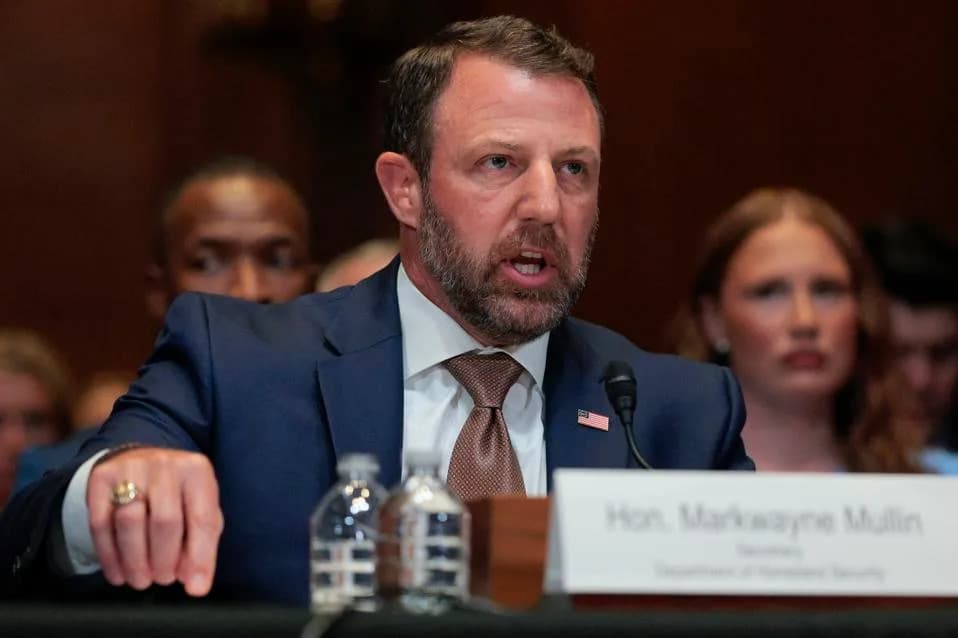
The trend can be reversed with targeted action. The State Department can prioritize and accelerate visa processing for students and exchange visitors. The administration could reconsider travel restrictions that bar students from some countries while maintaining strong security screening. Lawmakers can reaffirm or restore "duration of status" to reduce uncertainty. Courts can review executive actions — including large fees on H-1B petitions — that may exceed legal authority.
Universities, technology firms and local business groups also have influence. Coalitions of higher education institutions and employers can make the economic case for welcoming international students and push policymakers to treat them as assets rather than liabilities.
Conclusion
The United States has long benefited from being a place where global talent can flourish. If that reputation erodes, so will economic dynamism, innovation and job creation. Policymakers face a clear choice: restore predictability and welcome for international students, or risk losing the next generation of innovators to other countries.
Stephen Yale-Loehr is a retired professor of immigration practice at Cornell Law School.
Help us improve.